Categories
Airplanes Travel

13-year-old boy survives 90 minute flight stowed away in an airplane’s landing gear

stock photo


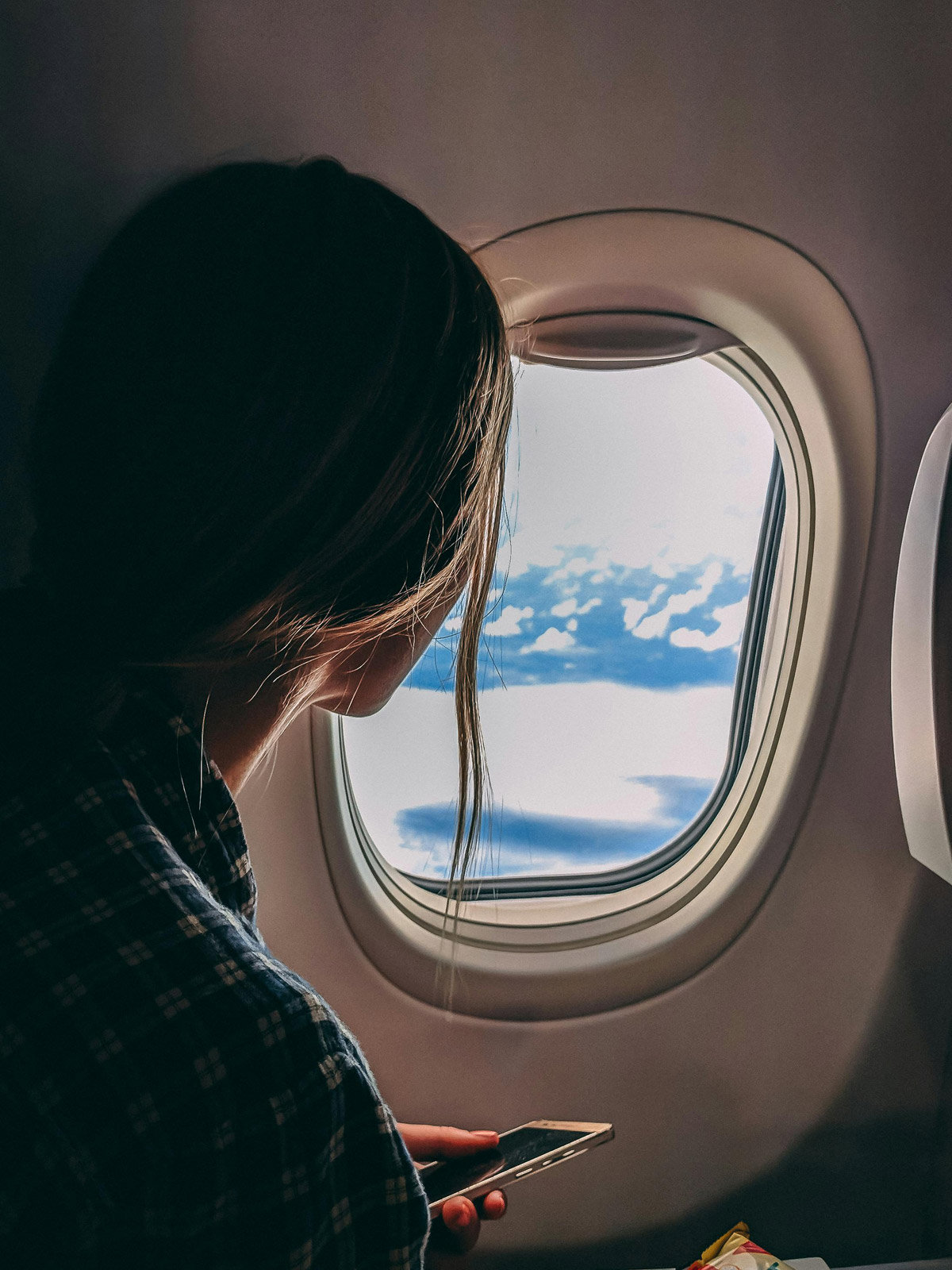
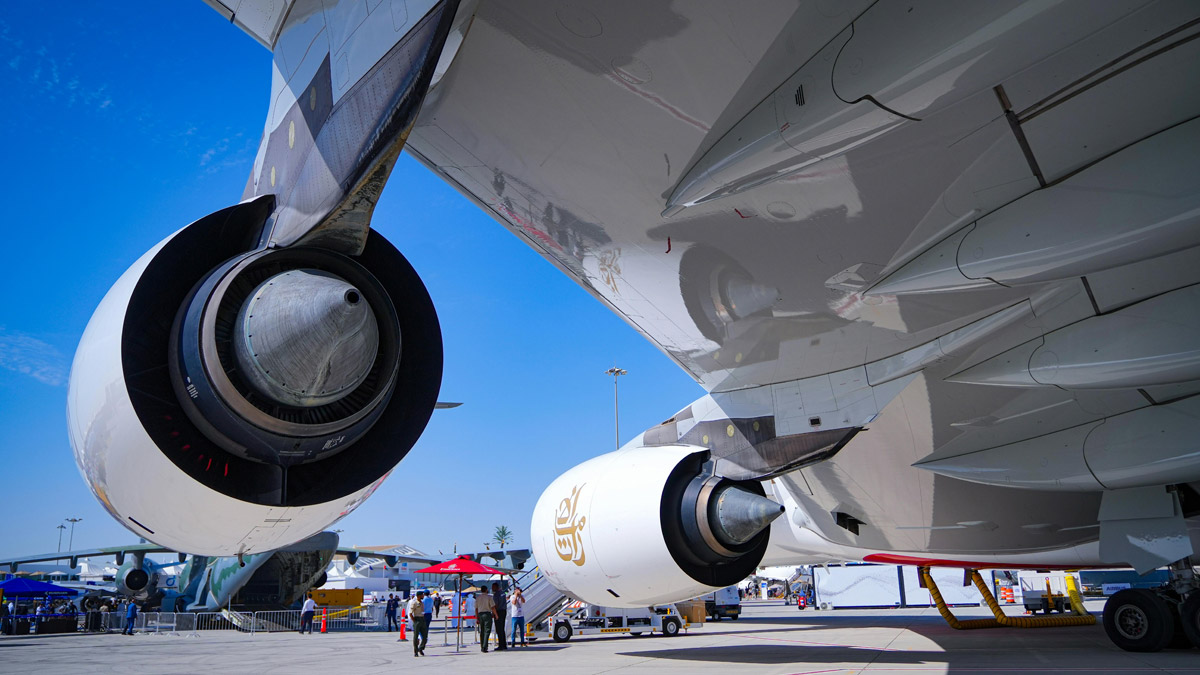
This past weekend, workers at the Indira Ghandi Airport in Delhi got the surprise of a lifetime when they discovered a 13-year-old boy wandering around the tarmac in his pajamas. When Indian immigration officials questioned him, they learned that he was from Afghanistan and had snuck onto a KAM Airlines flight out of Kabul in an attempt to get to Tehran, Iran. Wild, right? Well, it gets even crazier. As it turns out, this teenage stowaway spent the 90-minute flight hiding out in the airplane’s landing gear.

An Afghan boy traveled from Kabul to Delhi by hiding in the landing gear compartment of a plane, Indian authorities have said. The boy, who authorities estimated was about 13 years old, was found wandering around the tarmac near where the plane had parked shortly after it had landed on Sunday morning, according to a statement from India’s Central Industrial Security Force.

When they questioned him, authorities found he was from Kunduz in northern Afghanistan and that he had traveled by hiding in the “rear central landing gear” of a KAM Airlines aircraft, the statement added.

They also found a small red audio speaker in the area the boy was hiding. He was repatriated back to Afghanistan later that day.

The distance between Kabul and Delhi is about 1,000 kilometers (621 miles) and the flight took about an hour and a half.

Hiding in a plane’s wheel well is the most common method used by stowaways in their sought-after journeys, even though it is incredibly dangerous.

More than 77% of people who have attempted to hitch an illegal ride on an aircraft have died, the Federal Aviation Administration said in 2019.

[From CNN]

Sneaking onto an airplane and accidentally ending up in India instead of Iran? Even if the story ended right here, it would still be nuts, especially because of how young he is. But, I can’t believe that he hid in the wheel well and survived! That kid is so dang lucky to be alive. What he did was so dangerous. That area isn’t pressurized, so he also could have died from lack of oxygen. Or he could have gotten crushed by the landing gear! The average temperature outside of an airplane at cruising altitude is -40°F to -60°F. It’s a wonder that he didn’t get frostbite or freeze to death.

According to the BBC, the teen told authorities that he didn’t have any particular reason for trying to sneak onto a flight to Iran but rather he was just curious. So, he took his little red speaker and went for it. That is some intense curiosity. There has to be more to the story, right? I can’t imagine how confused he must have been when he realized that he was in the wrong country. Thank goodness he was found unharmed.

Images credit Wzm Pictures and Amar Preciado on Pexels, Kam Air via Instagram
Categories
Airplanes health

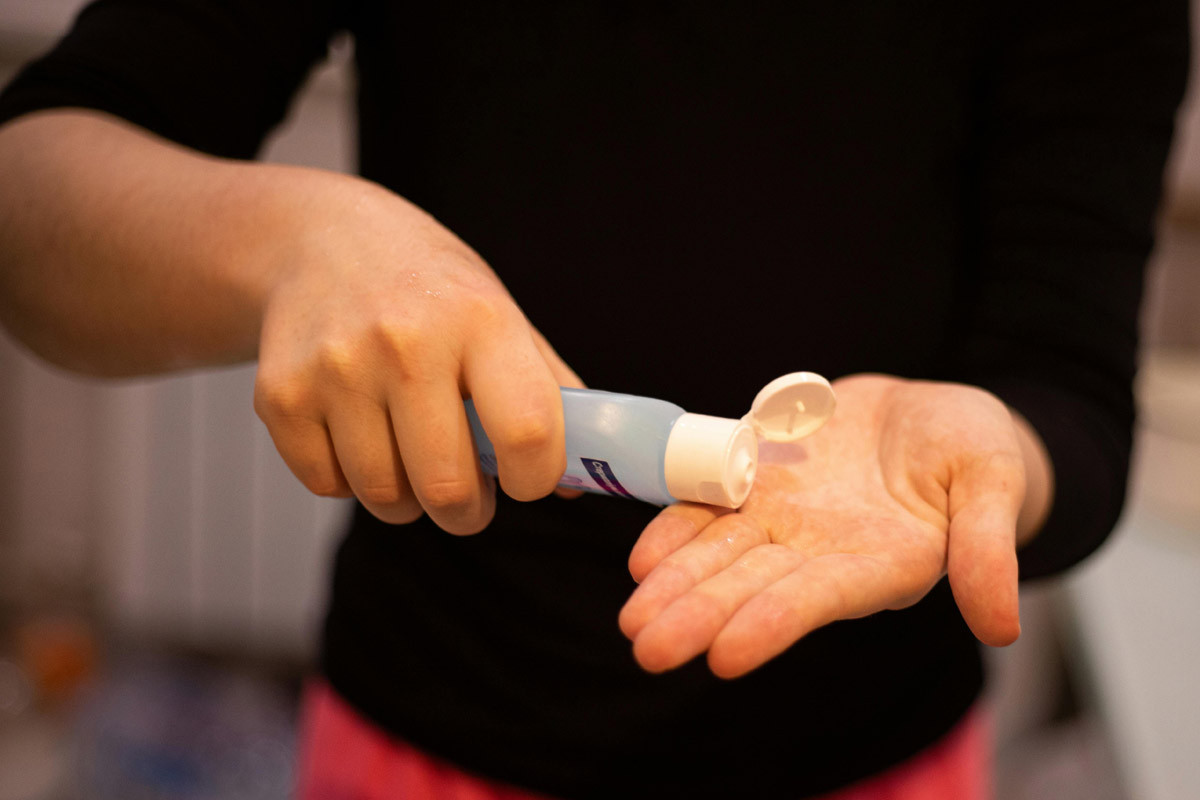
Should you use hand sanitizer in an airplane bathroom instead of water?


Who remembers March 2020, when people were arguing about the proper way to wash your hands? I thought it was so wild that grown-ass adults needed basic health reminders like they were in kindergarten. At some point, however, hand washing had to share the stage with hand sanitizer. Plenty of people, Mr. Rosie included, kept hand sanitizer at the ready pre-covid, but that amount skyrocketed after the pandemic. I had never given much thought to which method was better, and always continued to utilize whichever option was more available to me at the moment.

As it turns out, there is a situation where one method is better than the other: during air travel. An Obama-era regulation required airlines to test for E. coli and other bacteria in their water supply. A 2019 study revealed that test results from 70% of major airlines came back as not considered “relatively safe.” In fact, experts say it may be safer to forgo washing your hands and just use hand sanitizer during air travel.

“If the tanks are not properly cleaned, it can lead to the perfect environment for pathogens to grow and lead to gastroenteritis, warns Dr. Tatiana Echeverry, MD, a board-certified internist with Medical Offices of Manhattan and labfinder.com contributor. “The most common pathogens in water are E. coli, Campylobacter, norovirus and parasites, such as Giardia.”

If you’re a TikToker, you may have seen a video from influencer and former flight attendant Kat Kamalani go viral in 2021. In it, she notes that the pipes on planes are never, ever cleaned. But one doctor and water safety expert reports that this isn’t entirely true. Dr. Evans Sirois, DO, an internist and co-founder of N-2 Water, points out that the EPA requires regular cleanings and testing for pathogens. Under the Aircraft Drinking Water Rule (ADWR), which was enacted in 2011, airlines have to take samples from water tanks to test for coliform bacteria, including E. coli, plus disinfect and flush the water tank four times each year. Airlines can instead opt to disinfect and flush the tanks once a year, but they must agree to test them monthly…

A 2019 study evaluated the water quality in 11 major and 12 regional airlines. Each received a score on a scale of 0 (worst) to 5 (best). Anything above a score of 3 was considered “relatively safe.” Scientists weighed factors like fleet size and sample reports that came back positive for E. coli and coliform. Seven of the 10 major airlines had scores under three—ditto for all but one of the regional airlines. The authors advised against drinking water that isn’t sealed in a bottle. That wasn’t all, though. The researchers even suggested using hand sanitizer rather than washing hands with tap water.

Experts agree with TikTok and scientists: It’s best to avoid using tap water on planes for drinking. “Drinking beverages that have been bottled or sealed or that are served hot has less risk of infection,” Dr. Sirois says.

Washing your hands is also important. “Maintaining hand hygiene is the most important factor to lower the risk of E. coli contaminated food,” Dr. Echeverry explains.

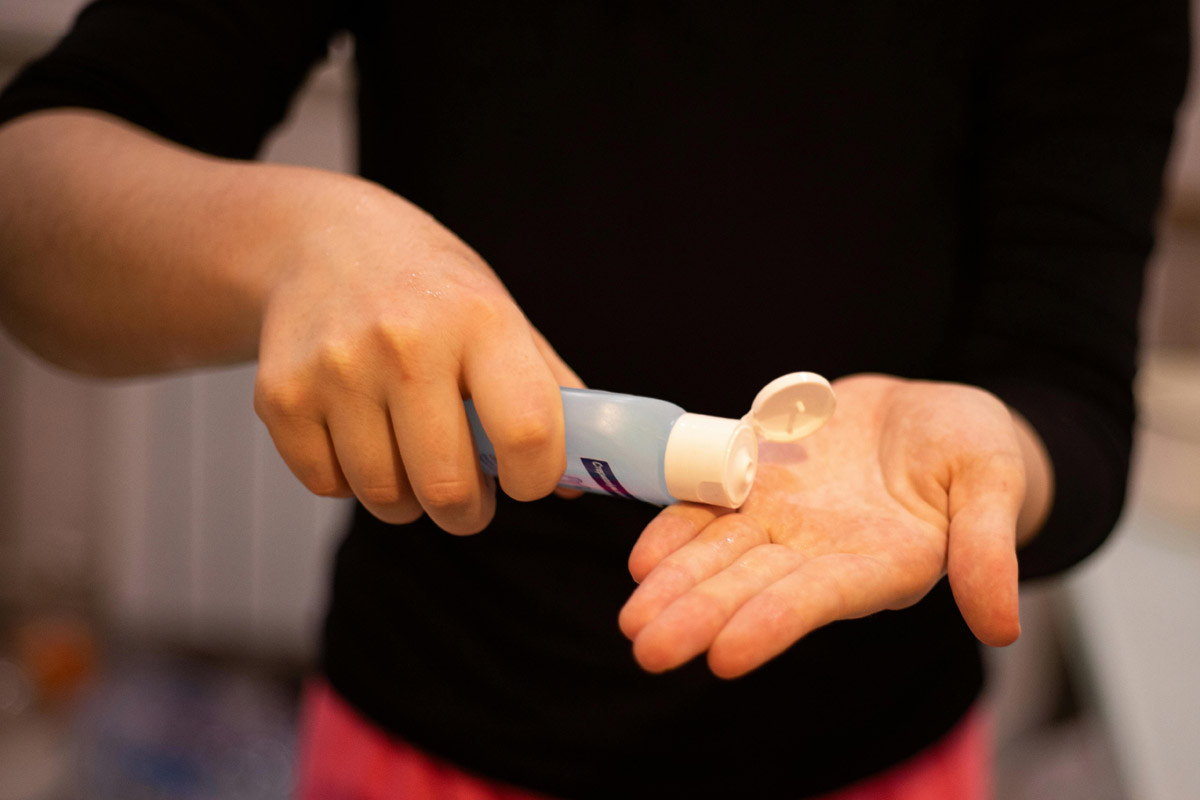
However, your best bet is to carry hand sanitizer rather than washing with the tap water in the bathroom. “Hand sanitizers can take care of 99% of common bacteria and viruses and neutralize them,” Dr. Chatterjee says. “Several major carriers have hand sanitizers/sanitizer pads and are provided on request.”

[From Yahoo! Health]

Welp. This is pretty unnerving. No matter how much an air traveler pays for their ticket, they expect the absolute human rights basics, like safely arriving at their destination and the airline doing their best to avoid any preventable illnesses. For example, an airline can’t help it if a passenger sneaks on while hiding that they have the flu or some other illness, but they can provide basic preventative measures like properly testing, flushing, and treating their water tanks, especially while America’s health systems are being run by an antivaxer. I don’t think any passengers are willingly drinking the water, but plenty of them are absolutely using it to wash their hands. Bacterial outbreaks from airplane water are preventable, and therefore inexcusable.

Embed from Getty Images

Embed from Getty Images

Embed from Getty Images

Photos credit: Getty and EVG Kowalievska on Pexels

Categories
Airplanes Travel

137 passengers went on a 32 hour flight from Zurich that ended up back where it started


About 15 years ago, Mr. Rosie and I were on a Delta flight that got delayed for several hours. When the flight finally took off, it ended up making an emergency landing in Little Rock, Arkansas due to mechanical issues. That was frustrating, but the real kicker was when Delta’s agents told us that we were on our own to figure out how to either get to LAX or return home to North Carolina. We ended up having to buy same-day tickets for a totally different airline. It was a very expensive nightmare and I didn’t fly Delta again for almost a decade after that.

A few weeks ago, a group of travelers from Zurich, Switzerland had an airplane ride from hell that beats my story by far. What was supposed to be a nice, relaxing three hour flight from Zurich to Crete turned into an unexpected (and I’d argue unnecessary) 32-hour adventure. And what an adventure it was! They made four stops and still didn’t make it to the island.

Airline travel can be a headache, but it’s not every day that a less than three-hour flight turns into a 32-hour saga that ended in passengers being returned to their original airport.

On May 24, Condor flight DE1234 departed from Zurich, Switzerland, heading for Heraklion, Crete, in Greece with 137 passengers and six crew members. The flight, which is supposed to take just under three hours, experienced “extreme weather conditions,” a Condor airlines representative told PEOPLE.

“With strong winds, take-offs and landings at Heraklion Airport on Crete were only possible to a limited extent,” Condor said in a statement. “Despite several attempts to land in Heraklion, the flight was unfortunately unable to operate as planned and had to be diverted several times including a night stop in Thessaloniki before finally returning to Zurich.”

According to Business Insider, citing data from Flightradar24, the flight circled off the coast of Crete half a dozen times before U-turning to land in Athens.

The outlet reported that the plane made four stops and endured an overnight stay in Thessaloniki during the 32-travel time. The plane also stopped in Athens a second time and in Kos before returning to Zurich.

Condor said that the flight made “several stops,” including a night stop in Thessaloniki.

The airline also said in its statement that, “Refreshments and drinks were served for all guests by the crew in the galley,” however, according to Metro, some passengers complained that they weren’t given many refreshments and some reportedly vomited during one of the attempted approaches to Heraklion.

When asked about the claims, the Condor spokesperson told PEOPLE, “Drinks were served for all guests by the crew in the galley, the hotel accommodation was organized by Condor,” noting that guests can contact customer service for “refund and rebooking options.”

Passengers also claimed they had to pay for their own hotels, per the outlet, and upon landing in Athens for the second time, were given the opportunity to disembark ahead of the final return to Zurich, but without their checked luggage.

[From People]

Other accounts say that passengers were only offered one cup of water during the 32-hour journey and were not given any food. If true, then that is absolutely unacceptable. Either way, what a saga! It’s sort of baffling why Condor didn’t just tell the pilot to return to Zurich after the second attempt failed. Bad weather sucks, but it happens. You can’t control it. It seemed pretty clear that landing in Crete wasn’t in the cards that day. Those poor passengers! I hope they all were able to finally get to Crete and start their vacations! This is a small consolation, but at least they now have a wild adventure story that they can tell at cocktail parties or use as an ice breaker.

Embed from Getty Images

Photos credit: Connor Danylenko, Jason Toevs on Pexels, Erik Odiin on Unsplash, Getty and via Instagram

Categories
Airplanes Travel

TSA: A Costco card is not valid identification for Real ID at the airport


It’s been a month since the Real ID laws went into effect in the US, and so far, things seem to be going smoothly. As far as I know, there have been no major incidents involving the change. I’m genuinely surprised! I thought we would see videos of Airport Karens behaving badly. (Still waiting for summer travel to really start, though.)

That doesn’t mean there hasn’t been a few kinks to work out. Thanks to a rumor, some people have been under the impression that you can use the almighty Costco card as a substitute for a Real ID. While the Costco card can get you access to cheaper gas, affordable clothing, an unbeatable hot dog combo, and random cool stuff like Plinko, it sadly does not double as an alternative form of airport identification. The rumor, which blew up after a food blog posted about it, was so prevalent that even the TSA’s social media accounts had to release a statement to shut it down.

Costco memberships come with a variety of perks, including access to discounted products and services; however, the Transportation Security Administration (TSA) recently debunked the rumor that customers’ warehouse club cards substitute for a Real ID.

TSA proclaimed in an X post on Wednesday, June 4: “We love hotdogs & rotisserie chickens as much as the next person but please stop telling people their Costco card counts as a REAL ID because it absolutely does not.”

TSA Pacific spokesperson Lorie Dankers told SFGate that the rumor of Costco cards being accepted as official identification pops up every year or so. When people try to use their warehouse club cards at airports, for instance, it could lead to delays and travel headaches, she added. As of May 7, travelers need a Real ID or other acceptable identification for domestic flights and accessing federal facilities. Those who haven’t gotten one yet may be scrambling to figure out what they need to do before booking their next trip. One thing is for certain: They should probably leave their Costco membership cards at home.

Food blog Chowhound claimed in the initial version of an article titled “How Your Costco Card Could Save You At The Airport,” that people’s Costco cards could pass through TSA because it is considered a photo ID. The article cited Reddit, where users claimed their warehouse club cards helped them through airport security when they forgot or lost their regular ID.

On June 4, the day TSA debunked the rumor on social media, Chowhound issued an update to the article, saying, “A previous version of this article stated TSA is likely to accept a Costco membership card in lieu of a valid form of ID. TSA does not explicitly state you can use a Costco card as a form of identification, explaining, ‘The TSA officer may ask you to complete an identity verification process which includes collecting information such as your name and current address to confirm your identity. If your identity is confirmed, you will be allowed to enter the screening checkpoint, where you may be subject to additional screening.’”

The update concludes with: “Now with the Real ID requirements, (a Costco card) is even less likely to get you through TSA quickly or successfully.”

If someone tried using a Costco card at an airport, they would likely be pulled from the TSA checkpoint line for further questioning about other personal information, such as their two previous home addresses, Dankers told SFGate.

[From USA Today]

I read through a bunch of the comments on the Reddit post that the blog cited. The initial question is obviously a joke because the Costco card has a star on it just like the Real ID does. It’s labeled as a “Meme/Sh-tpost,” too! All of the top responses are also very clearly sarcastic. The people who left anecdotal comments about being able to use it in the past explained that it was (questionably) accepted as a second form of identification. For example, one woman said that the TSA didn’t believe it was really her husband on his driver’s license photo, so he pulled out his Costco card (with his picture on the back) to prove that he was who he said he was. It is absolutely wild that the person who wrote the viral blog post didn’t get it. I’m laughing out loud right now. We all make mistakes!

As a reminder, there are around 17 different forms of identification that the TSA accepts as valid. Besides the Real ID and a passport (issued by the U.S. or a foreign-government), you can also use a state-issued Enhanced Driver’s License or ID, a Veteran Health ID Card, Department of Defense ID, permanent resident card, and more. Here’s a link to the full list. That said, I highly recommend getting a Costco card. I swear, it pays for itself in gas (or at least it does in my area, where gas is around $3.00/gallon but as of June 9 was $2.49 at Costco). Also, the TSA was not playing when they talked about the hot dogs and rotisserie chicken. Those are American staples. Their food court really is chef’s kiss.

We love hotdogs & rotisserie chickens as much as the next person but please stop telling people their Costco card counts as a REAL ID because it absolutely does not.

— TSA (@TSA) June 4, 2025

photos via Instagram and credit Tomek Baginski on Unsplash

Categories
Airplanes Crime

TSA warns airport travelers not to plug directly into USB stations or use free Wifi


Both my family and Mr. Rosie’s families live in other states and so we fly a lot. As such, I used to use free airport Wifi. A year ago (maybe more, what is time?), I read that you shouldn’t use the free airport wifi because hackers can get your information. In a world full of digital hackers and identity-stealers, it made a lot of sense to me. Since then, I’ve done my best to use cellular data or my phone’s hotspot. Turns out that free wifi is not the only thing to worry about. The TSA has just released a warning to all air travelers that not only is open airport wifi unsafe, but plugging your phone directly into one of those USB charging stations also puts you at risk.

The Transportation Security Administration is best known for its security checkpoints at the airport, but the agency has recently issued a warning to passengers to help keep passengers safe after they clear the security checkpoint.

In a recent post on social media, the TSA issued a pretty major warning to all airport travelers about how their data and information could be at risk in some seemingly harmless ways.

“In this technology age, cybersecurity has never been more important. You’ve likely heard about things like email scams and social media scams (tip: don’t accept that friend request from your buddy’s ‘new’ profile), but today we want to share our two best tips for staying cyber safe at airports while you’re traveling,” the TSA wrote in a recent Facebook post.

The TSA went on to warn all airport travelers not to use the USB charging ports that are often in airport terminals.

“Hackers can install malware at USB ports (we’ve been told that’s called ‘juice/port jacking’). So, when you’re at an airport do not plug your phone directly into a USB port. Bring your TSA-compliant power brick or battery pack and plug in there,” the TSA wrote in its Facebook post.

The TSA also warned against using the airport’s public WiFi, especially when purchasing items or entering sensitive information.

“Don’t use free public WiFi, especially if you’re planning to make any online purchases. Do not ever enter any sensitive info while using unsecure WiFi,” the TSA’s post continued.

As summer approaches and travel increases, it’s important for all airport travelers to keep these warnings in mind as they spend time in the airport.

[From Men’s Journal]

This is why we can’t have nice things! Until I finally upgraded my five-year-old phone a few months ago, it would run out of battery quickly. It’s been a while since I’ve used the free airport charging station, though, because I have a portable power pack and most airplanes have chargers now. I tried searching to see if the charging ports on airplanes were also dangerous, but couldn’t find any conclusive evidence either way.

If you’re worried that your phone has been hacked or has malware, this article has a list of warning signs to look out for and ways to fix it. I wish that we lived in a world where we could all just charge our phones and access free wifi without having to worry. I guess “knowledge is power” is the best way to prevent these things from happening. It would also be nice if federal law enforcement agencies could catch and prosecute hackers.

Photos credit: Ketut Subiyanto, Alex P, Gustavo Fring and Kelly on Pexels

Categories
Airplanes Travel

The Real ID deadline for air travel in the US is here, but there’s still time to get one

Embed from Getty Images


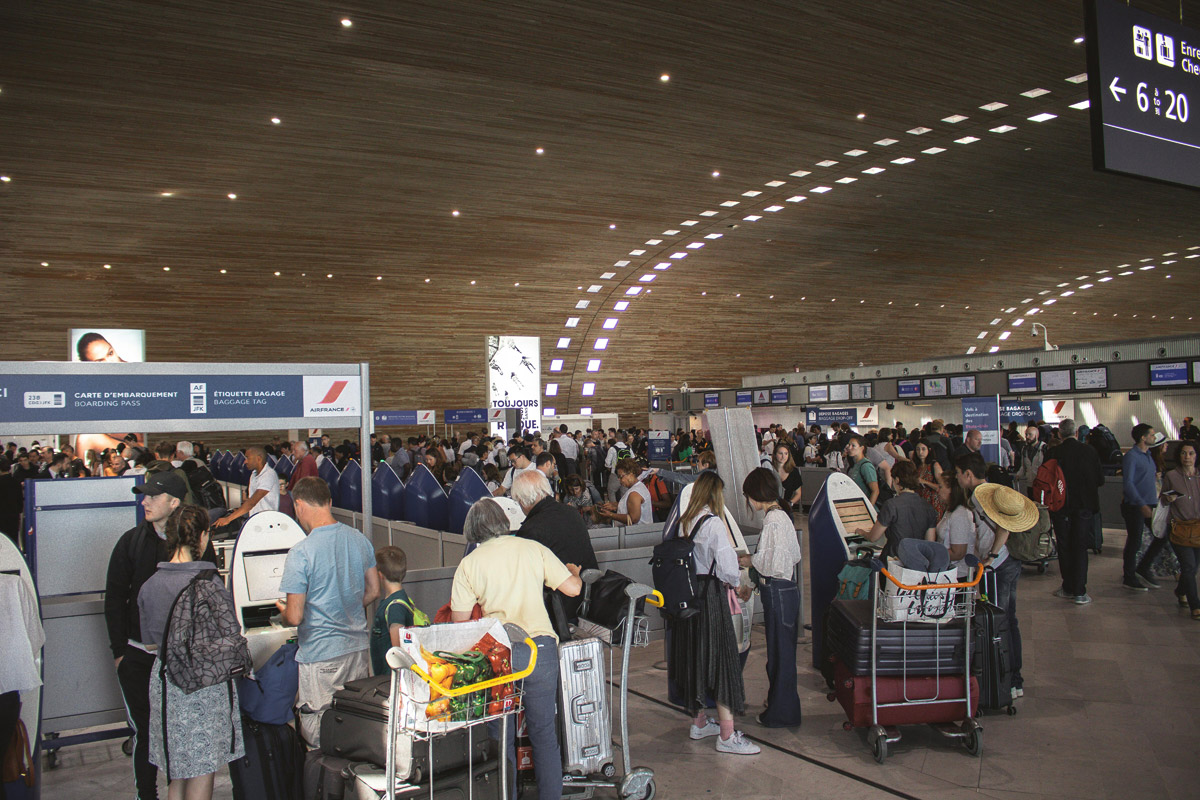
The requirement for all air travelers to have a Real ID-compliant driver license or IDs officially took effect on May 7, 20 years after the REAL ID Act was signed into law in May 2005. The Act was passed in response to 9/11 to set a “unified national standard” for secure identity documents and requires additional documentation be provided at the DMV. It was supposed to go into effect nationwide in 2020, after years of back and forth with the states. That, obviously, got pushed back because of the pandemic.

Real IDs have a little star on the upper right-hand corner. If you don’t have one yet, you can use your passport or another TSA-approved alternative (there’s a list in the quoted article). If you don’t have any of these documents, you’ll still be able to travel for now, but be prepared for additional screenings. Despite the years of hearing about it, there’s a lot of confusion regarding Real ID. USA Today did a very handy Q&A section that answers questions about it:

How do I know if my ID is a REAL ID? According to DHS, Real ID-compliant cards will have a star marking on the “top portion of the card.” In states like California, the star is placed on an outline of a bear, while in other states, a simple golden star is added to Real IDs.

Who needs a REAL ID? Every air traveler 18 years of age and older will need a REAL ID-compliant document to board an airplane or enter some other federal facilities.

Can I still fly domestically without a REAL ID after the deadline? Possibly. The TSA will have an alternative compliance mechanism in place and officers can try to verify your identity at the airport. You may be subjected to delays and additional screening, and may be prohibited from entering the TSA checkpoint if officers are unable to verify your identity.

What are the alternatives to a Real ID?


TSA-approved alternatives include:


U.S. passport


U.S. passport card


DHS trusted traveler cards (Global Entry, NEXUS, SENTRI, FAST)


U.S. Department of Defense ID, including IDs issued to dependents


Border crossing card


An acceptable photo ID issued by a federally recognized Tribal Nation/Indian Tribe


HSPD-12 PIV card


Foreign government-issued passport


Canadian provincial driver’s license or Indian and Northern Affairs Canada card


Transportation worker identification credential


U.S. Citizenship and Immigration Services Employment Authorization Card (I-766)


U.S. Merchant Mariner Credential


Veteran Health Identification Card (VHIC)

Will I need a REAL ID to fly internationally? A passport is a REAL ID-compliant document and will still be required for international travel. Other REAL ID-compliant documents, like driver’s licenses, will not be accepted to board international flights or at land borders and seaports where passports would otherwise be required.

Can you get a REAL ID after May 7? Yes, you can still obtain a REAL ID after May 7, 2025. The deadline is for select federal agencies and TSA to begin requiring it. If you don’t have a REAL ID yet, you can apply for one at your state’s Department of Motor Vehicles. The application process typically requires you to present documents verifying your identity, Social Security number, and residency. You should check your state’s DMV website for specific requirements and schedule an appointment.

Do children need a REAL ID to fly? No. The Transportation Security Administration does not require children to show ID when flying domestically, the agency said on its website. However, adults accompanying minors must do so.

Can I get a REAL ID at AAA in every state? No, you cannot obtain a REAL ID at AAA branches in every state. AAA’s ability to issue REAL IDs is limited to specific states and is often only available to AAA members. Only select AAA branches in Massachusetts, Rhode Island, Connecticut, and parts of New York provide REAL ID services for members. Travelers should check their state’s DMV website to determine if AAA offers REAL ID services in their area.

Is the REAL ID available in all 50 states, DC and US territories? Yes.

Does my state issue enhanced driver’s licenses, and do they count as REAL ID? Michigan, Minnesota, New York, Vermont, and Washington state issue enhanced driver’s licenses, and the Department of Homeland security says they are acceptable forms of REAL ID.

[From USA Today]

Both USA Today and CNN did live updates from different major US airports on Wednesday, and by all accounts, things were going “relatively smoothly.” I kinda figured enforcement day had a 50/50 chance for success since we’ve been hearing about it for so long, and because it started after spring breaks were over and before summer travel season started. Plus, Wednesdays aren’t huge travel days anyway, so the real meltdowns, presumably from the same people who Googled “Did Joe Biden drop out?” on Election Day, will begin on Friday.

I was at a family party this past weekend and half my family had the enhanced IDs. There was some general confusion as to whether or not they counted. It’s also good to know that AAA is helping ease the burden in certain states, too. I got my Real ID when I had to renew my driver’s license in 2018. It took me forever to get an appointment and when I did, the only one I could get was a half hour from my house and two weeks after my younger son was born. It was a huge hassle and super annoying, but there was no way I was going to miss it. I’m really glad that I went because both Mr. Rosie and my mom waited and now it’s basically impossible for them to get appointments through the DMV. They’re both going to use their passports in the meantime.

Embed from Getty Images

Embed from Getty Images

Embed from Getty Images

Categories
Airplanes Dogs

Border Collies in West Virginia patrol the airport for wildlife & cheer up passengers


Here’s something we may not always think about when flying: the risk of birds and other wildlife getting harmed by inadvertently moving into a flight path. Luckily, there’s a workforce out there of very good people who love nothing more than to do a good job and yell at other critters to get off their lawn: dogs! This is how West Virginia’s International Yeager Airport came to employ their official wildlife K-9, Border Collie Hercules. And yes, this boy lives up to his noble name. But Hercules is of a certain age that he may be looking to retire in a couple years (if his social security hasn’t been messed with), so Hercules recently welcomed a partner on the job, fellow Border Collie Ned. Chris Keyser, the dynamic duo’s handler, reported to local news that Ned was doing his work like a champ, after Hercules expertly took Ned under his wing to learn the art of keeping birds from hitting a plane’s wing. And between moments of telling wildlife to skedaddle, Ned and Hercules cheer up passengers inside the airport. Nice work if you can get it!

The pair’s job, Keyser told NBC affiliate WSAZ, is to keep the airfield clear of wildlife when planes land and take off, given that the airport is located on a mountain.

“Ned has come so far,” Keyser, the airport’s Wildlife Specialist, said of the latest addition to his team.

“Watching Herc work the field — he’s gotten the same habits and he has learned where he can be at and where he couldn’t be at, and knows how to pull off the edge of the taxiways or runways,” he added. “He knows to lie down when planes are coming and landing or going that way they don’t flush birds out in front of aircraft and the dogs are safe, as well.”

As Keyser explained, the decision to give Hercules a “helping hand” was in part due to the pup having “a little age on him.” And Ned’s involvement only made sense — as he was initially trained to run goats and geese, the handler told WSAZ, with those skills now coming into play at the airport.

According to the Federal Aviation Administration, roughly 19,700 wildlife strikes were reported at 780 U.S. airports in 2023 alone — with 292,000 taking place between 1990 and 2023. But both Ned and Hercules’ efforts have already made a difference in Charleston by reducing the number of strikes at the airport by 70%, WSAZ reports.

As part of their efforts, the duo are trained to simply scare the animals off and run five to seven miles daily, rain or shine. And it isn’t just birds they’re responsible for.

As Keyser told the outlet, air traffic controllers “always” have their eyes on the field and alert him to deer, groundhogs, foxes or other creatures that could be potential dangers at the airport. Then Ned and Hercules can get the job done.

Since the airport is operating 24 hours a day, too, the pups are always available for duty. “If it’s raining, the birds increase a lot,” Keyser said. “Our work becomes a little more then because birds come to feed when the worms surface from the rain.”

Ned and Hercules also serve as companions for those visiting the airport, Keyser added. And as of now, Ned is taking in all Hercules has been teaching him and has “learned from the best,” his handler said.

Fans of the duo can keep up with their adventures on Hercules’ Instagram page, where Ned has recently made some cameos of his own.

“I have seen people be nervous and be crying and I will bring Herc along, and Herc will just come up there wagging his tail and smiling at them,” Keyser said. “He will just love up on them, and all those tears just go away, and all of the sudden they’ve just got a smile on their face.”

[From People]

“And Ned’s involvement only made sense — as he was initially trained to run goats and geese.” Oh, I love it. I’m picturing Ned trotting into an interview, and when asked about his qualifications, replying: “Well, my training was in running goats and geese, which I believe is a solid foundation for this position which would further expand my avian and land-animalian experience. And did I mention I’m a very good boy, and like to run?” And speaking of, the local news segment had great shots of the boys running on the field — in their fab sunglasses! And a quick perusal of Hercules’ infamous Instagram page shows the man has quite the hat and accessories wardrobe. My favorite was his captain’s hat, that of course matched his harness. I figure it’s only a matter of time before Ned gets his own Insta. But in the meantime, if you’re trying to tell the two hunks apart, Ned has brown eyes, while Hercules has a striking one blue and one brown. Swoon!

Let’s keep delegating work to animals that they do better than us!