Categories
Bruce Willis Emma Heming Illness

Emma Heming Willis: I don’t want any of this, but this is just what it is


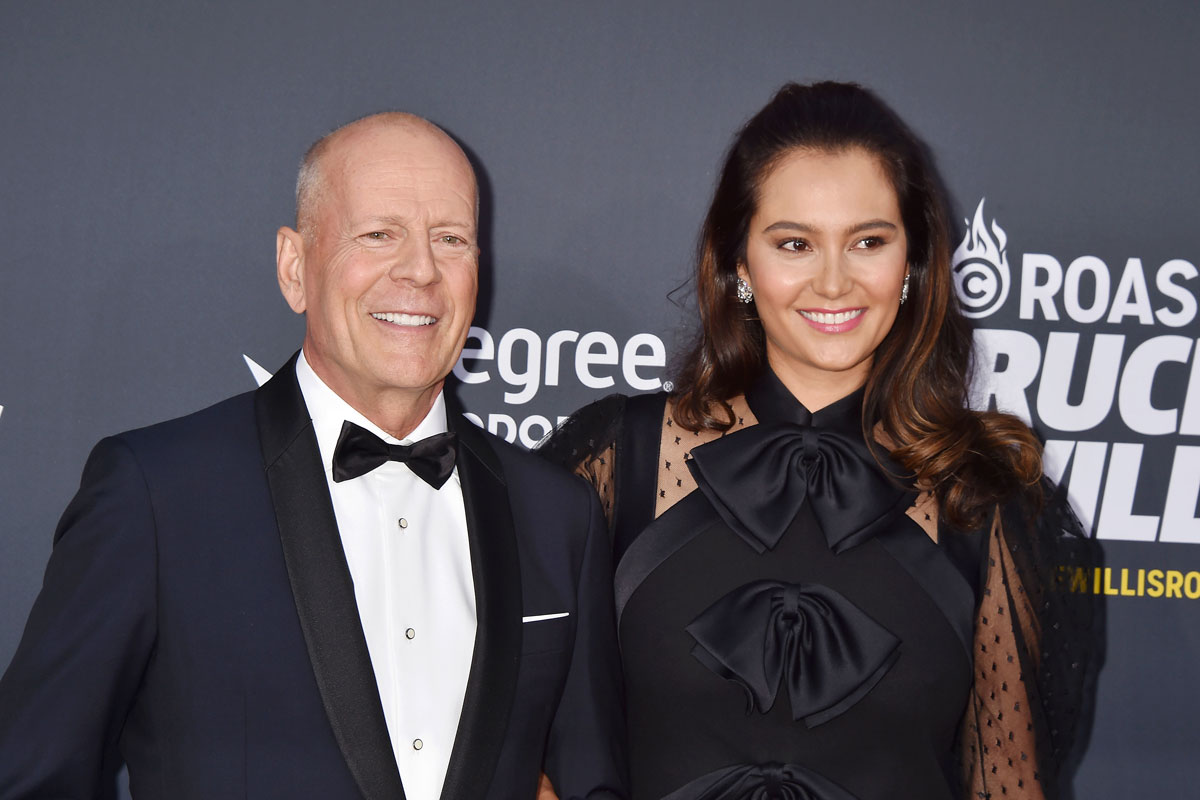
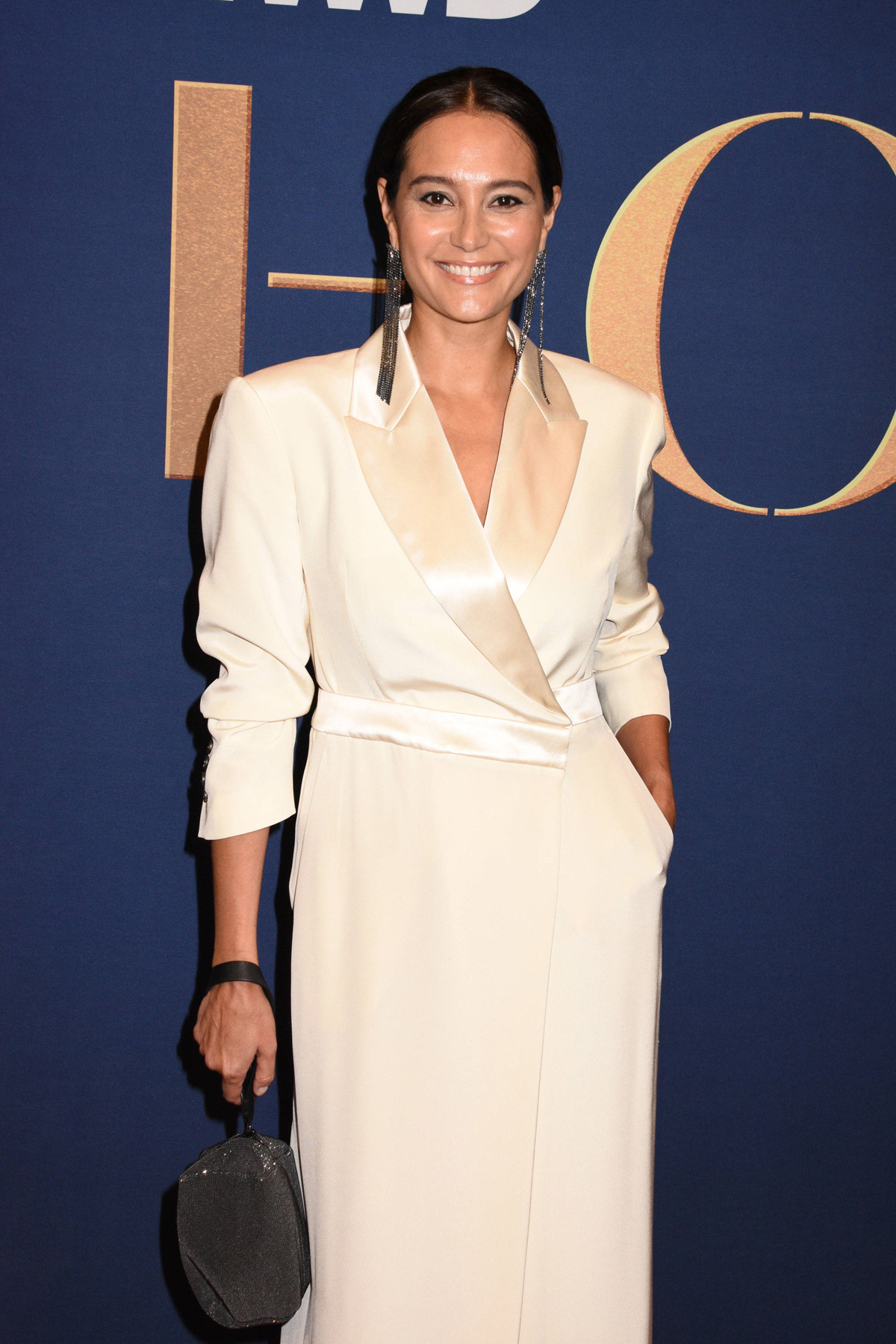
Emma Heming Willis’ book, The Unexpected Journey: Finding Strength, Hope, and Yourself on the Caregiving Path. came out on September 9. It chronicles what she’s learned as a caretaker for Bruce Willis, who was diagnosed with frontotemporal dementia (FTD) in 2022. She’s given some candid interviews to promote the book. While talking with USA Today, Emma shared that after Bruce’s diagnosis, she felt lost and scared. Their family struggled with figuring out how to handle their new normal. She wrote The Unexpected Journey to provide a “compassionate guide” for other caregivers, friends, and family who may be feeling just as lost and helpless. Emma also talked about the importance of support as well as her plans for raising awareness about FTD and caregivers.

“I didn’t know anything about caregiving prior to becoming a caregiver,” she tells USA TODAY. “I didn’t really know much about FTD until I needed to know about FTD. And you’re just thrust into this seat, and you have to figure out so many things so quickly in real time, and then you figure it out, and then you’re stable, and then all of a sudden, the next shoe drops.”

Picture this: You’re Bruce and Emma Heming Willis, sitting in a doctor’s office, and hear the words “FTD.” You’re handed a pamphlet and sent on your way. That’s it.

“That was really surprising to me, that here we are with the diagnosis, and all we’re going to get is a check back in in a couple of months, and nothing else. And I’m thinking to myself, how are we walking out of this office like this with no support?” Heming Willis recalls.

Heming Willis’ mind swirled with to-do lists. “Once we had the diagnosis, I was like, I have to be able to figure this out so I could save our family, because we were really struggling,” she says. “And through that, I found specialists and experts to be able to help me so that I could help Bruce and as well help our two young children to navigate this in the healthiest way possible.”

She knows how lucky she is compared with other caregivers who don’t have money or support from loved ones.

“I’m so blessed because of the access that we have and the resources that we have that many caregivers do not,” she says. “When you’re thrown into this, it’s like you’re just in the thick of it, and you’re just trying to stay above water. It’s unfair for caregivers to … be everything all at once.”

Heming Willis will be the first to say, too, that she’s not a perfect caregiver. No one is. That’s why she’ll flip through her own book for advice, too. “I’m in the thick of it, navigating it in real time, and I need constant reminders to get myself back on track so that I can sustain this journey.”

If you’re going to take one message away from the book, it’s to remember that “you really can’t ‘caregive’ on your own. You need support. You need a community.”

What she hopes people understand is that dementia looks different in every person. Every caregiver deserves respect and freedom from judgment.

“I don’t want this life,” she reiterates. “I want to go back to our old life. I want to go back to a life where my husband is well, he’s working. He is in the world. I want our children to be able to have their father back. I want us to be in our home. I don’t want this. I don’t want this. I don’t want any of this, but this is just what it is.”

Heming Willis is eager to get the word out that FTD and other forms of dementia are nonpartisan diseases. A trip to Washington remains a goal of hers to continue these conversations, especially as cuts to programs like Medicaid affect caregivers. “I’d love to be able to see caregivers, be able to afford care, get some help,” she says. “The way Medicare, Medicaid, you know, the cuts. It was already hard for caregivers even prior to that. You know, God only knows what’s happening now. So I’m slowly learning and trying to figure out just how to use my voice.”

[From USA Today]

I love that Emma wrote this book in order to help other people who are in the same situation. When we talked about Emma and Bruce the other day, so many of you expressed gratitude and shared personal stories. It is so important to provide support and resources to both caretakers and their loved ones dealing with health issues. I hope Emma’s book has a far reach and is able to help people feel less scared and alone.

I also appreciate that Emma is speaking about the very devastating real-life consequences that Medicare and Medicaid cuts have had for families. That is such an important issue. These types of policies directly affect our lives. As for how Emma mentioned that she didn’t want this life, I’m so sorry that she and her family are going through this. There are so many people whose lives she’ll be able to touch by using her platform.
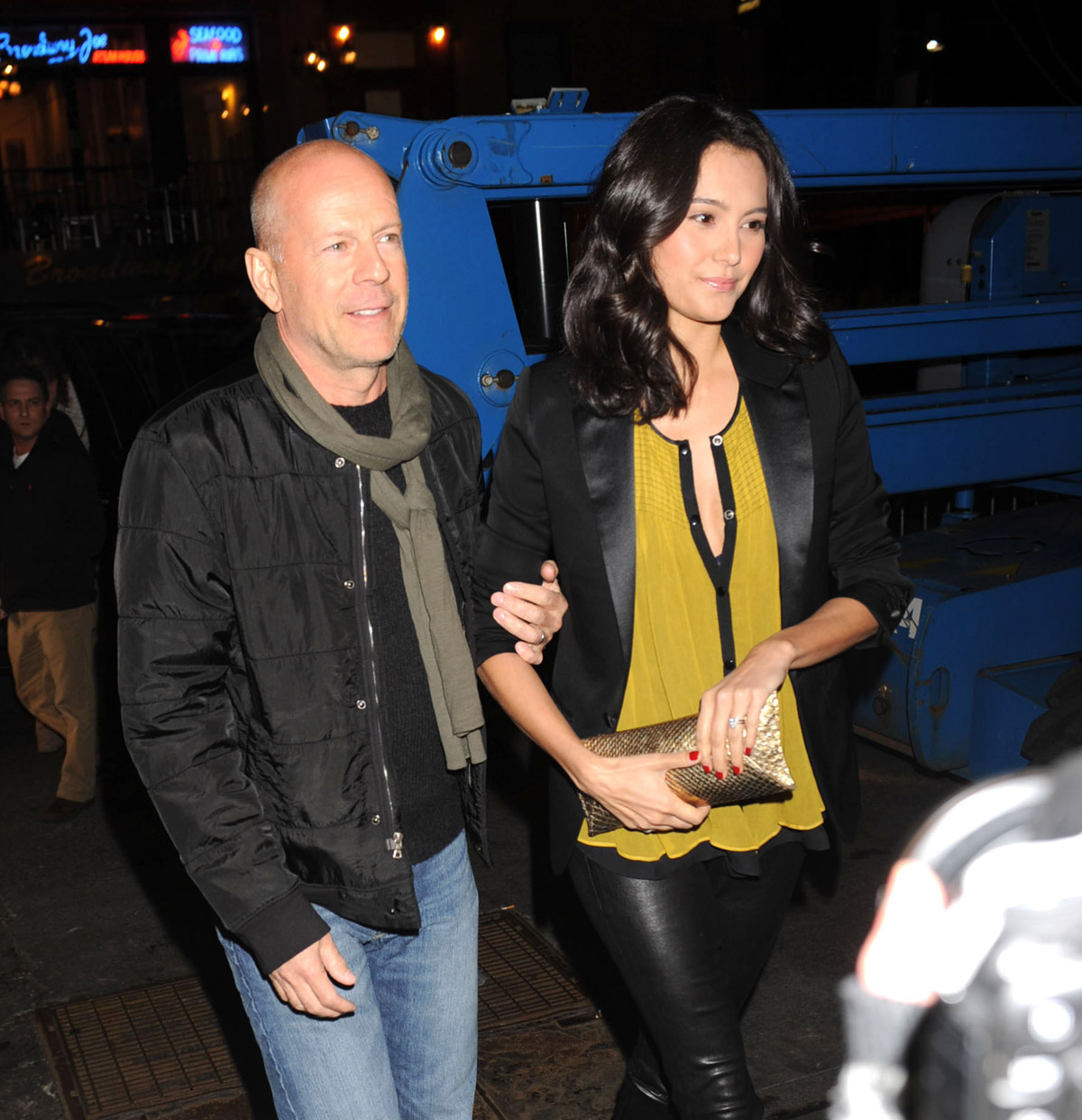
Photos credit: Demis Maryannakis,PacificCoastNews.com/Avalon, IMAGO/MediaPunch/Avalon

Categories
Bruce Willis Emma Heming Illness

Emma Heming Willis: ‘our love story has only grown and developed more’


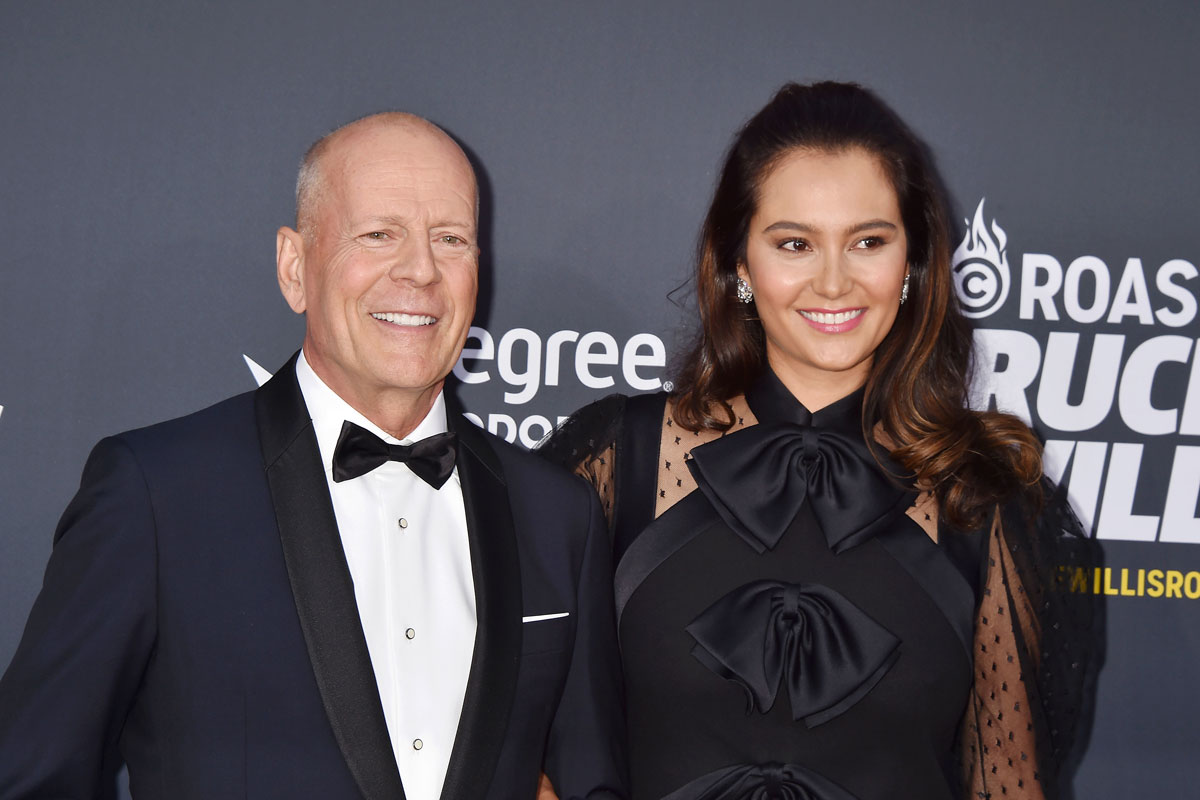
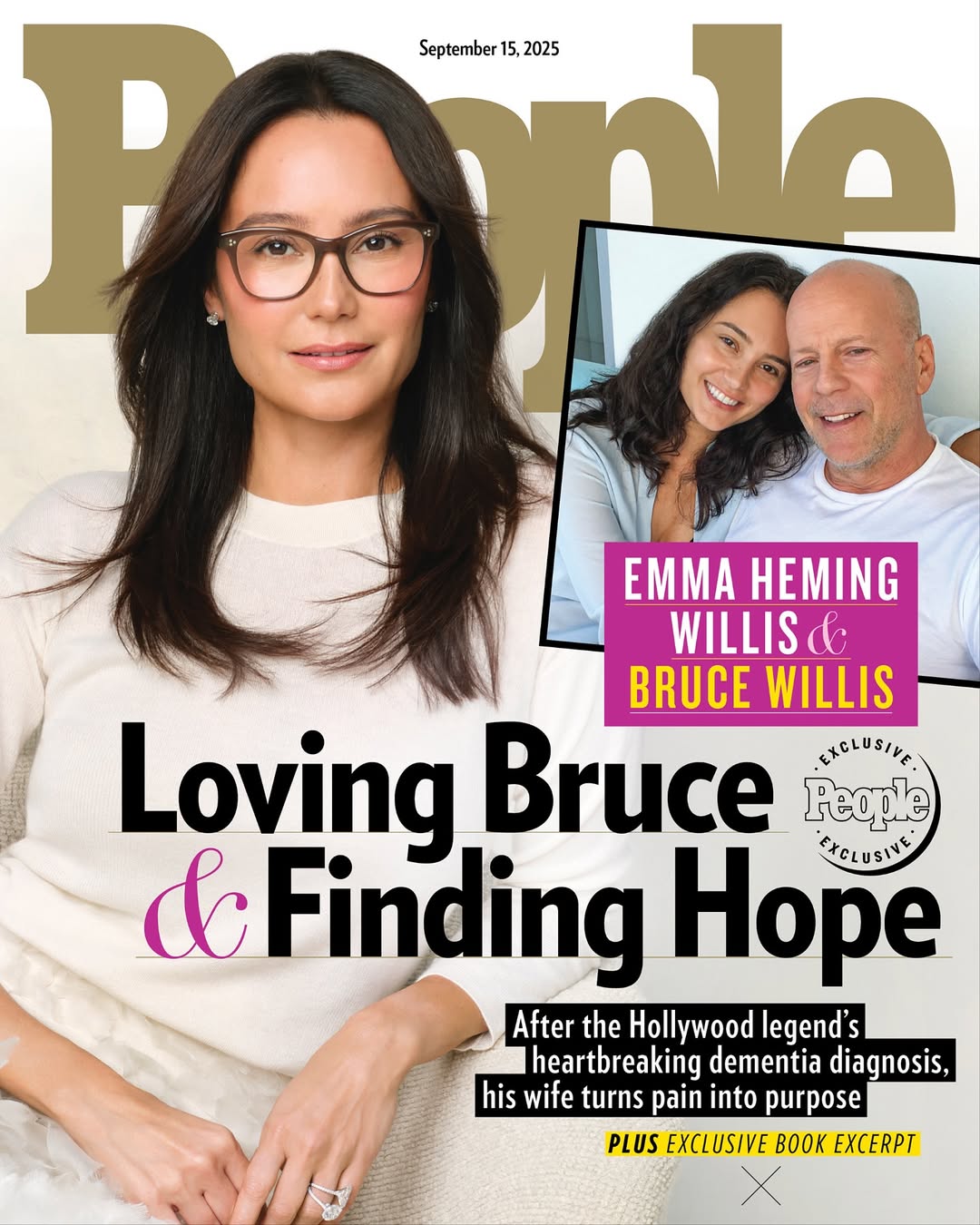
Bruce Willis was diagnosed with frontotemporal dementia in 2022. Since then, Bruce’s family has rallied around him, occasionally sharing family pictures and updates about his condition. Bruce and his wife, Emma Heming Willis, have been together for almost 20 years. They have two daughters, Mabel, 13, and Evelyn, 11. Emma has a new book coming out on September 9, titled, The Unexpected Journey: Finding Strength, Hope, and Yourself on the Caregiving Path. She’s on the cover of People this week, where she talks more about his condition, her feelings of isolation, and their love story.

It didn’t take long for Emma Heming Willis to sense there was something singular about Bruce Willis. Introduced to him by her trainer in 2005, Emma — a flourishing model at the time — remembers Bruce as “so charming, so funny, so down-to-earth and so handsome.”

But stars didn’t align until 2007, when a friend cajoled her into accepting Bruce’s invitation to Turks and Caicos, where he was vacationing with his daughters Rumer, Scout and Tallulah, his ex-wife Demi Moore and her then-husband Ashton Kutcher. “I got to see this other side of Bruce, who was a family man,” Emma tells PEOPLE in this week’s cover story. “On that trip, I ended up falling for him really hard. That was the start of our love story.”

Their romance unfolded with ease: They married in 2009, welcomed daughters Mabel and Evelyn, traveled together to Bruce’s movie sets and built a lively home filled with laughter. “Life was busy… full and fun,” she says. “If the girls were swimming in the pool, he would come home, dive in with his clothes on just to get a laugh. He’s the iconic girl dad.”

But when Bruce was diagnosed with frontotemporal dementia (FTD) in 2022 at age 67, their lives—and dreams for the future—were upended. “Early on, life felt very dark, very one-note of just grief and sadness,” says Emma. As a full-time caregiver, she felt unmoored, isolated and unprepared to navigate Bruce’s progressive illness on her own, much less protect his privacy and parent their two young kids alone.

Emma eventually found a way forward for herself and her family. She sought extensive guidance from experts, found strength in community as one of nearly 12 million people in the U.S. caring for a loved one with dementia, and discovered renewed purpose in caregiver advocacy.

She also discovered a whole new level of connection with Bruce. “I feel like our love story has only grown and developed more,” she says. “It sounds woo-woo but it’s just on a more cellular level. I am so grateful that he is very much here, very much a part of our day-to-day.”

While it’s meant a reimagined dynamic, she sees newfound beauty in their enduring love story. “It has meant so much to be able to meet him where he’s at, to enjoy this time with him,” says Emma, whose new book, The Unexpected Journey: Finding Strength, Hope, and Yourself on the Caregiving Path is a roadmap for caregivers navigating neurodegenerative disease and shines a light on the realities of FTD.

“Bruce is very present in his body, and there is something so lovely and wonderful about that. He’s not thinking about what happened yesterday or what’s happening in the future. He is very grounded in today.”

And although FTD has compromised his speech, Emma cherishes their forever bond forged 18 years ago. “Sometimes, love does not need words. I can just sit there with Bruce, and we look at each other and we laugh and smile and that, to me, is more than anything.”

[From People]

“Sometimes, love does not need words. I can just sit there with Bruce, and we look at each other and we laugh and smile and that, to me, is more than anything.” Oh, that is just a gut punch. I really like that she has approached it as a “reimagined dynamic” and that their love has grown and developed more. It may not be the love story that they imagined, but it’s still a part of their journey. Emma also revealed that Bruce is no longer living with her and their daughters, but is staying at another home nearby that gives him the “calm and serene atmosphere” that he needs right now.

At one point in the interview, Emma touches upon how FTD is frequently misdiagnosed because it’s not on many doctors’ radar. (Don’t forget that Bruce was originally diagnosed with aphasia.) I hate the circumstances around it, but it’s great that she is raising awareness for something that is notoriously difficult to diagnose, and I truly hope that it makes a difference. And while I obviously do not know much about Bruce IRL, I do think it speaks volumes about him that his ex-wife, current wife, and all of his children get along so well, and that they are all so in sync with how to present their public front. That is a family who protects the people they love.

Categories
Bruce Willis Emma Heming Illness

Emma Heming Willis: ‘stop with these stupid headlines’ about Bruce


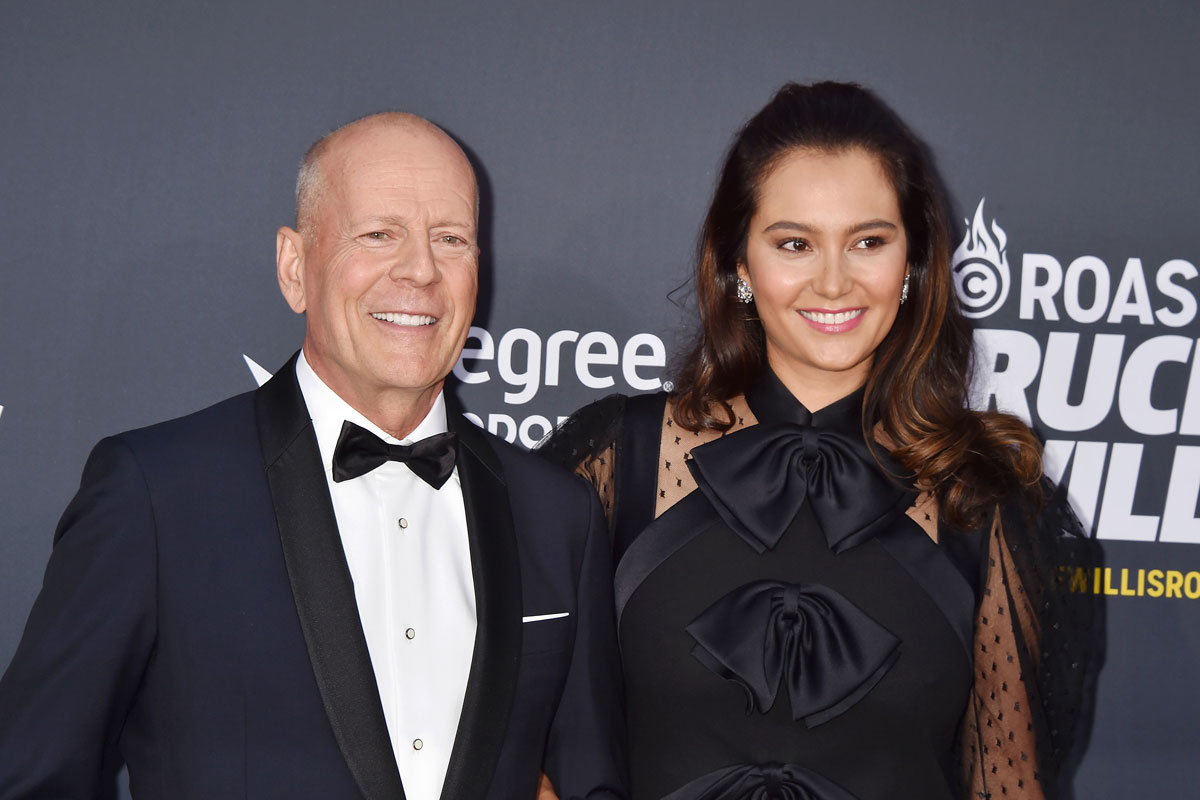
While caring for her husband Bruce amid his frontotemporal dementia (FTD) diagnosis, and raising their daughters, Emma Heming Willis has also decided to be a advocate for FTD patients and families. She wants to pay forward all the support and resources she’s received. Emma has made it clear that, unlike the actors in her family, being a public advocate is outside her comfort zone. But the cause of helping others understand aphasia and FTD is worth stepping out of her shell. What it shouldn’t have to involve, though, is needing to tell the media at large to stop making up “stupid headlines” about Bruce and how he’s doing. Yet that’s how Emma spent her Sunday:

“The headline basically says there is no more joy in my husband. Now, I can just tell you, that is far from the truth,” Emma said as she began the video. “I need society — and whoever’s writing these stupid headlines — to stop scaring people. Stop scaring people to think that once they get a diagnosis of some kind of neurocognitive disease that that’s it. ‘It’s over. Let’s pack it up. We’re — Nothing else to see here. We’re done.’ No.”

She then said that her family’s experience has been the “complete opposite of that” amid Bruce’s frontotemporal dementia (FTD) diagnosis.

“There is grief and sadness. There’s all of that. But you start a new chapter,” Emma said, adding that the new chapter is filled “with love, it’s filled with connection, it’s filled with joy, it’s filled with happiness.”

“That’s where we are. So stop with these stupid headlines. These stupid clickbaity things that freak people out. Stop doing that. There’s nothing to see here, okay?” she continued.

In the caption, Emma reflected further on the inaccurate reporting she’d seen as she encouraged media outlets to be “mindful” of how stories about dementia are framed.

“My experience is that two things can be true and exist at the same time. Grief and deep love. Sadness and deep connection. Trauma and resilience. I had to get out of my own way to get here but once I arrived, life really started to come together with meaning and I had a true sense of purpose. There is so much beauty and soulfulness in this story,” she wrote.

“Here’s what I’ve come to understand is that we are being educated by the wrong people. People that have an opinion versus an experience. People that have not taken the time to properly educate themselves on any kind of neurocognitive disease. Why can I be so bold and say that? Because I see headline after headline and blurbs of misinformation,” Emma continued.

She added: “I’m not even talking about my family, I’m used to the craziness of these farfetched headlines and stories. I’m just talking about baseline dementia awareness and what’s being fed to the public. You wonder why anxiety and depression is up in our society. I honestly think part of it has to do with this kind of clickbait, how things are framed and pushed out to us and how we have a split second to take that information in. Man, it’ll do a number on my psyche.”

[From People]

Emma found a way to refocus the topic back to FTD education and awareness, but again, she shouldn’t have to deal with this. The only people who have the authority to speak on Bruce’s condition right now are Emma, Demi Moore, and his daughters. And their public comments of late have been filled with love, fondness, and even joy. Yes, the relationships have changed, but like Emma says, love and grief can coexist. By contrast, someone who’s never met Bruce wrote a negative, clickbaity headline about him. It’s tasteless, not to mention hurtful for those close to Bruce and for family members of people with dementia.

Photos credit: CPA, PacificCoastNews / Avalon, Media Punch/INSTARimages.com, Backgrid and via Instagram

Categories
Bruce Willis Emma Heming Illness

Emma Heming Willis: ‘I struggle with guilt, knowing I have resources that others don’t’


Emma Heming Willis has been nothing if not heartbreakingly candid in the nearly two years she’s been caring for her husband in his dementia. Bruce Willis was diagnosed with Aphasia in 2022, and his condition progressed to Frontotemporal Dementia early in 2023. While she clearly does not naturally seek the spotlight, being Bruce’s care partner has compelled Emma to publicly advocate for FTD awareness and the families affected by the disease. In yet another instance of empathy and searing honesty, Emma penned a letter for Maria Shriver’s Sunday Paper, in which she shared lessons she’s learned during this time. She also acknowledged the guilt she feels over having resources other families don’t:

Lesson No. 5: There is power in giving back. Recently, I met someone who had just learned about FTD in her life. When I first learned about the condition, I didn’t have someone in my corner who understood this experience. The fact that I was able to help connect this woman to the right information and resources was a moment I won’t forget. Even though I can’t change her situation, I can help guide her, tell her where to start, and help her feel a little less lonely.

I struggle with guilt, knowing that I have resources that others don’t. When I’m able to get out for a hike to clear my head, it’s not lost on me that not all care partners can do that. When what I share about our family’s journey gets press attention, I know that there are many thousands of untold, unheard stories, each of them deserving of compassion and concern. At the same time, I see that what I share matters to others who may be struggling, and in a small way makes them feel seen and understood. I want people to know that when I hear from another family affected by FTD, I hear our family’s same story of grief, loss, and immense sadness echoed in theirs. It’s important to me to be an advocate on behalf of those families who don’t have the time, energy, or resources to advocate for themselves.

[From Maria Shriver’s Sunday Paper via Just Jared]

It is refreshing to have a celebrity acknowledge their privilege and really mean it. Nothing about Emma’s language feels like prescribed PR lingo. It’s about as far from that as you can get. I just want to give her the biggest hug! Her pain is real and it is valid. In a more perfect world, the focus would be not on resenting those who have more resources, but on figuring out how to make those resources available to everyone. I believe Emma is trying to do just that — to give back to the community that has given her strength, in ways that she can. And all while still caring for her husband. (LaineyGossip had a thoughtful piece yesterday on this topic, discussing Michael J. Fox and Tracy Pollan.)

I thoroughly recommend reading Emma’s piece in full. She organizes her thoughts into six main lessons she’s learned, the connecting thread being: talk about what you’re going through and find your community. They are vital lifelines. She ends with saying “As much as I grieve this experience daily — as I know so many others do — I also know that it has made me stronger than I ever thought possible.” Oh, yes. Whatever your specific hurdle is, life has a way of making you discover your own strength. I have no doubt that Bruce is proud of her for that.

Categories
Bruce Willis Emma Heming Illness

Emma Heming on caring for Bruce Willis: it can feel like doom and gloom


In March of last year Bruce Willis’ family shared he was retiring from acting due to his diagnosis of aphasia, a neurological condition. Then earlier this year, the Willis clan updated his fans that his condition had progressed to frontotemporal dementia. With both announcements it was notable that the statements were from the family, not directly from Bruce. It wasn’t entirely surprising, given that both aphasia and FTD have symptoms of speech and communication difficulties, as well as potential emotional instability and loss of motor skills. The fact that Bruce wasn’t speaking for himself seemed to indicate the extent to which he was already dependent on caretaking.

Throughout his diagnosis (which likely began long before it was made public), his chief caretaker has been his wife of 14 years, Emma Heming. In an Instagram post on Monday, Emma briefly yet impactfully shared that she’s “not good,” but making a daily choice to break up the doom and gloom outlook that befalls caretakers. More on what Emma called her care partner PSA:

Bruce Willis’ wife, Emma Hemming Willis, is providing an update on how she’s doing amid her husband’s current health situation.

The former model has served as the actor’s caregiver since his frontotemporal dementia diagnosis, which was publicly revealed by his family in February.

In a new Instagram video, the Make Time Wellness founder tearfully sent a message to fellow “care partners,” letting it be known that although she may look like she’s handling it all well, it’s nowhere near easy.

The 45-year-old started the clip by addressing why it is she previously asked people in a position similar to hers to send her photos of “something beautiful,” which, she noted, are making her “so happy.”

“I just think it’s so important for us to sort of break up our thinking, which can feel, for me, very much like doom and gloom,” she admitted.

“I know it looks like I’m out living my best life. I have to make a conscious effort every single day to live the best life that I can,” she said, adding that it’s not only for herself, but for her and the Red star’s two children, and for “Bruce, who would not want me to live any other way.”

She furthered her transparent message by explaining, “I don’t want it to be misconstrued that I’m good, because I’m not. I’m not good, but I have to put my best foot forward for the sake of myself and my family.”

The pair wed in 2009, later welcoming daughters Mabel Ray, 11, and Evelyn Penn, 9.

In the caption of the August 14 social media post, the Malta-born entrepreneur made her intentions for the update clear.

“This is a care partner PSA. My message is simple. When we are not looking after ourselves, we are no good to the people we love who we want to show up for and take care of,” she wrote in the caption of the upload.

Heming Willis continued: “I don’t have this down to a fine-science either, but I try. It’s an affirmation I use daily so it’s kept in the forefront of my mind. Your pictures, words of support and love for me and my family were felt. Honestly, thank you, it helps. I ask that you’ll consider to keep looking for that one beautiful thing or moment in your day. And I hope you can take me seriously in my dopey hat.”

[From Parade]

Bitches, this one really hit me in the gut. I’ve shared a little bit here on watching my mother be caretaker for my father after his stroke. She’s been on duty full time since he came home from the hospital and rehab four months ago. Last week he had to go back to the hospital. As awful as it may sound, my initial thought was of relief for my mother. Without meaning any disrespect towards my father—or Bruce, or any ill person—I have been much more worried about my mother throughout this whole period. I think of it as every emotion, everywhere, all at once. There’s heartbreak in seeing your partner in pain, fading away, and losing their dignity. There’s also, equally justified, anger and resentment with the situation (even sometimes directed at the ill partner). That in turn is often followed by guilt, playing out in an endless vicious cycle. I’ve seen all this in my mother over the past nine months. It’s just so much to bear.

Out of everything in the post, I appreciate most that Emma honestly says she is “not good.” She has two young daughters who are witnessing the decline of their father. I bet Emma is concerned everyday about how they are processing this moment. How much do you let them spend all the time they can with their father, versus how much do you try to protect them in their childhood?

I think she’s doing a mitzvah by reaching out like this to fellow care partners. It is so easy to get stuck in doom and gloom, and in my experience it’s usually an outside stimulus that helps me let go of the negative loop. Whether it’s sharing beautiful photos like Emma requested, sharing stories, or sharing an adorably dopey hat, it’s the connecting itself that helps. Sending my very best thoughts to Emma, Bruce, and their family.

Embed from Getty Images

Photos credit: CPA, PacificCoastNews / Avalon, Media Punch/INSTARimages.com, Media Punch/INSTARimages.com, Getty and via Instagraam