Categories
Prince Andrew Rufus Sewell

Rufus Sewell: Prince Andrew shows that there’s a ‘hereditary delusion in the royal family’

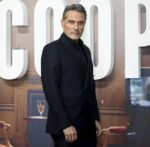
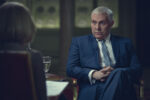
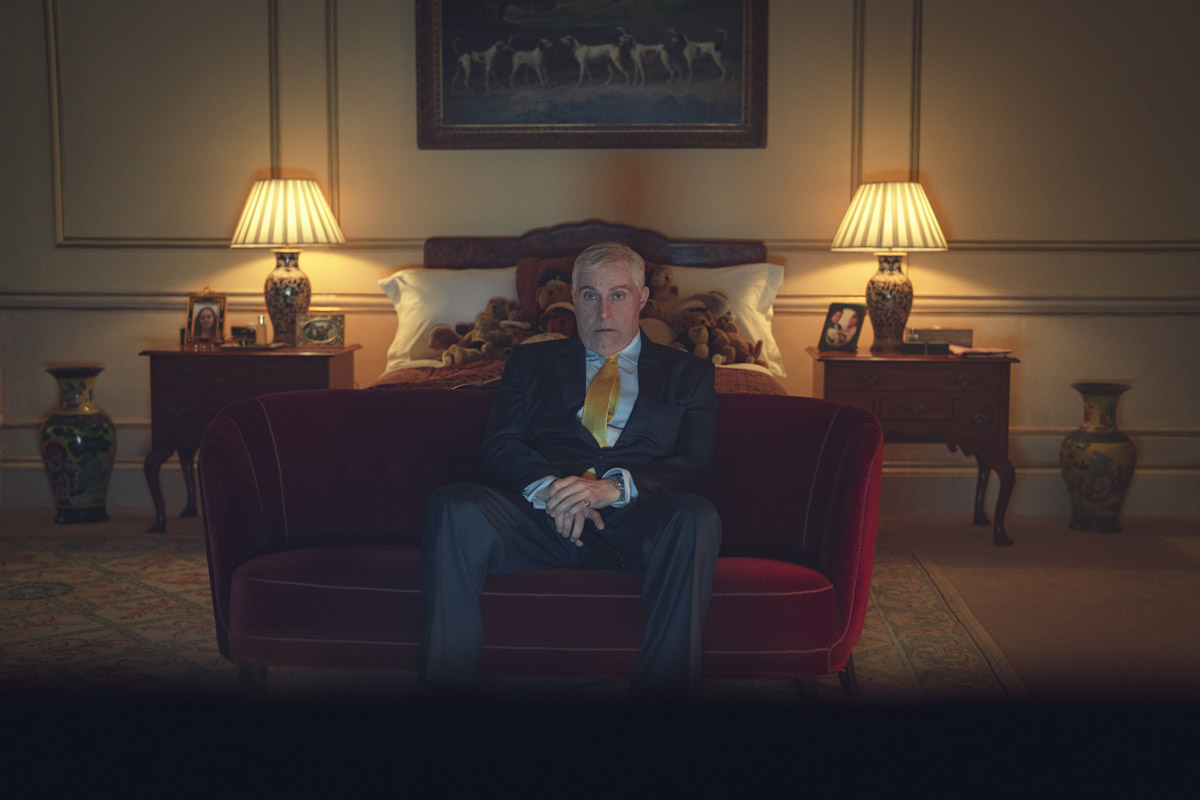
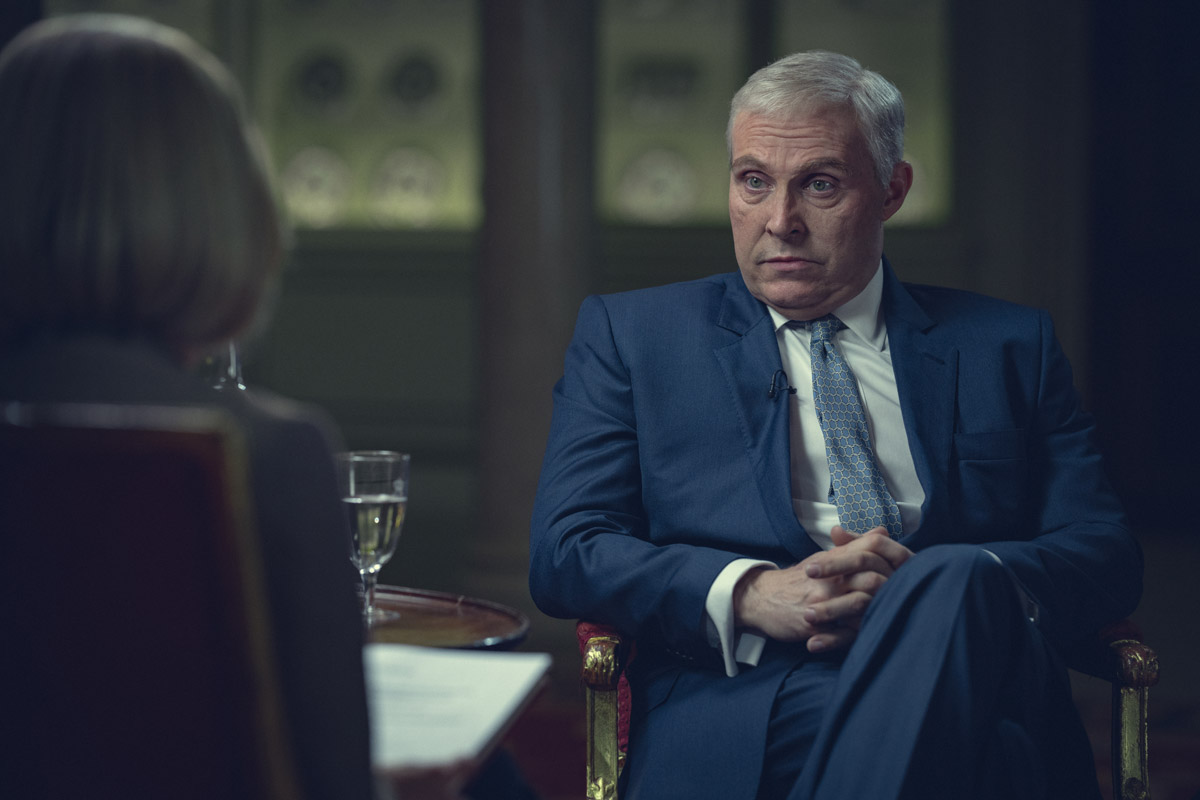
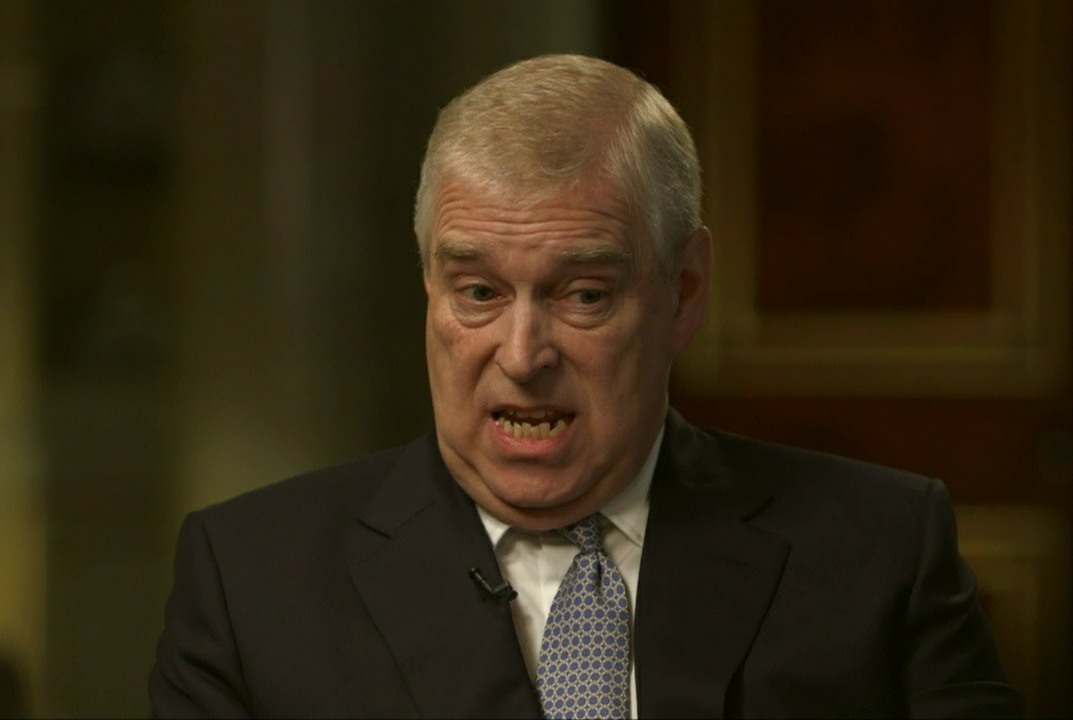
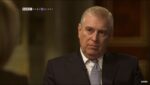
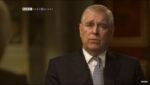
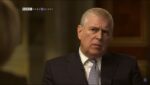
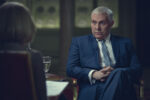
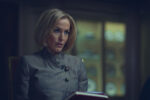
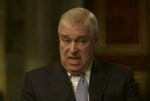
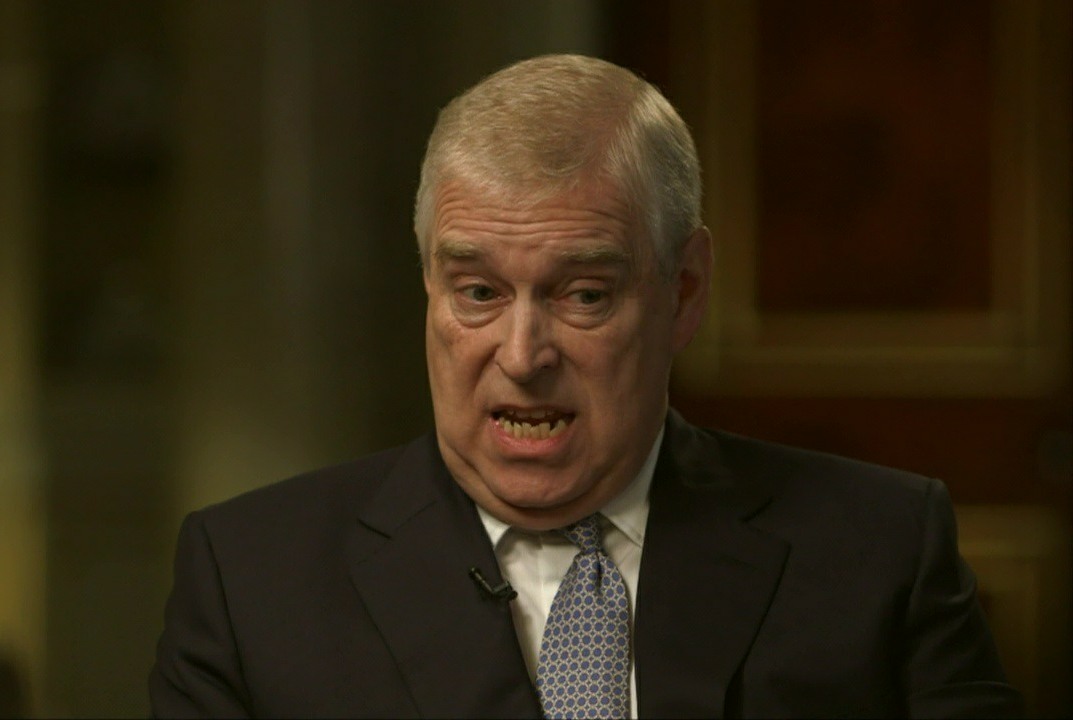
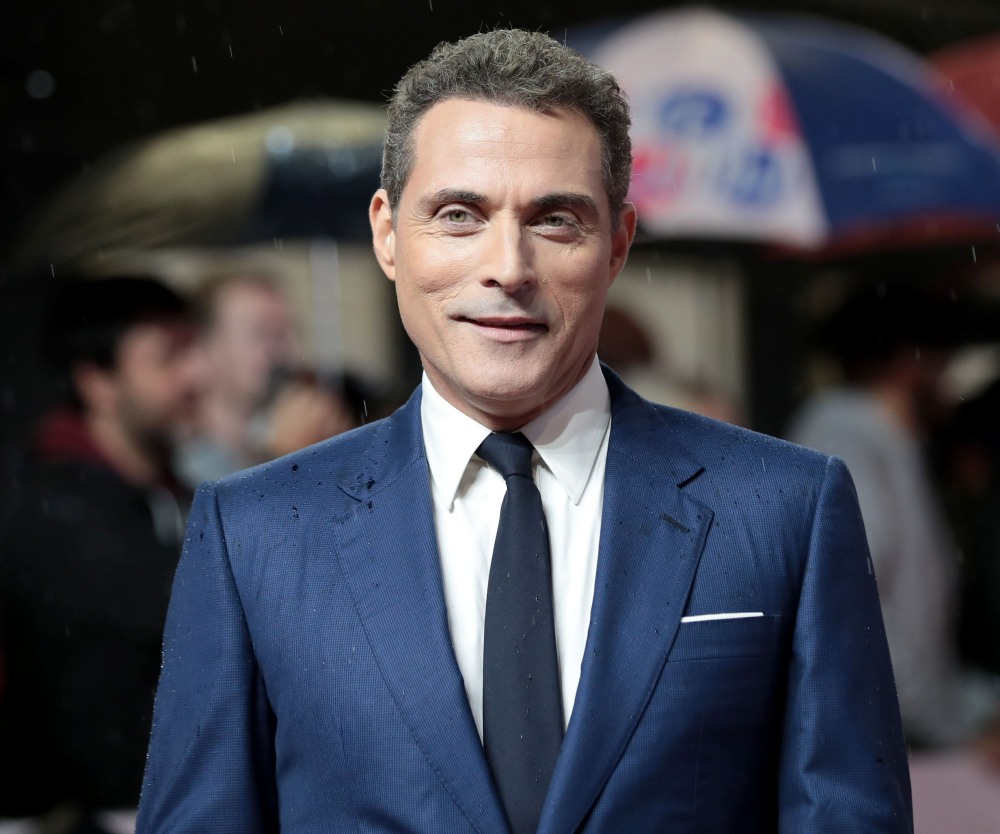
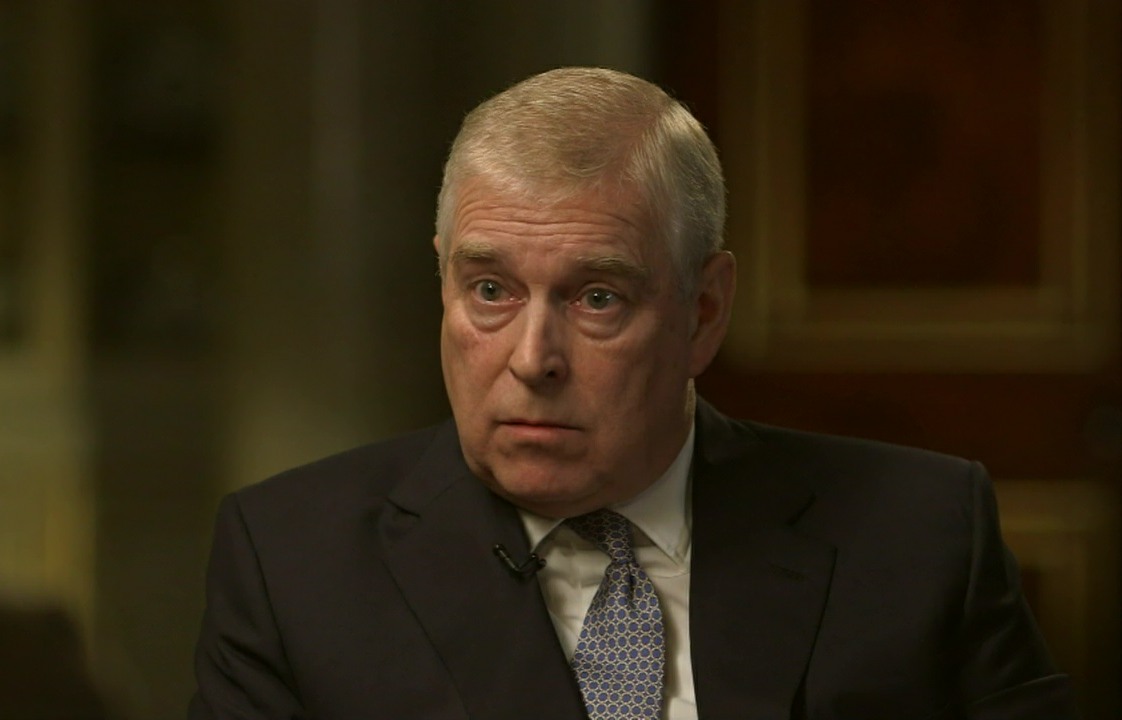
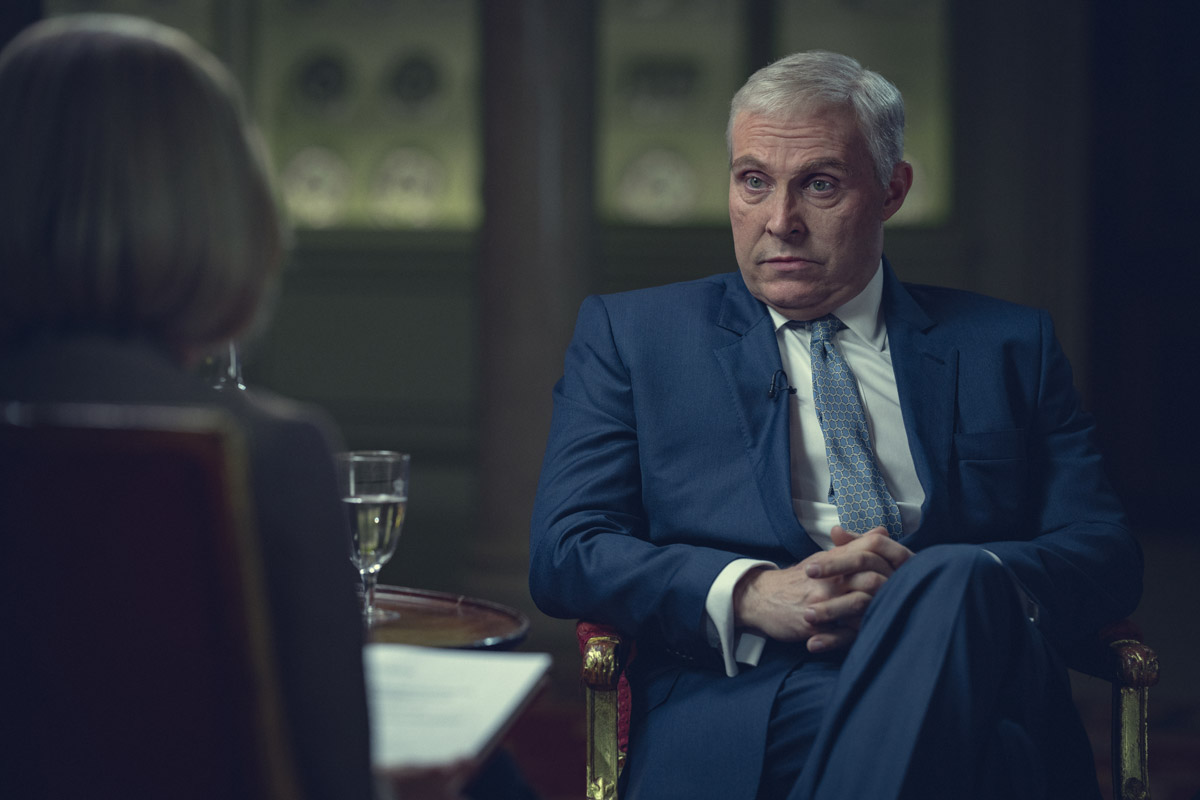
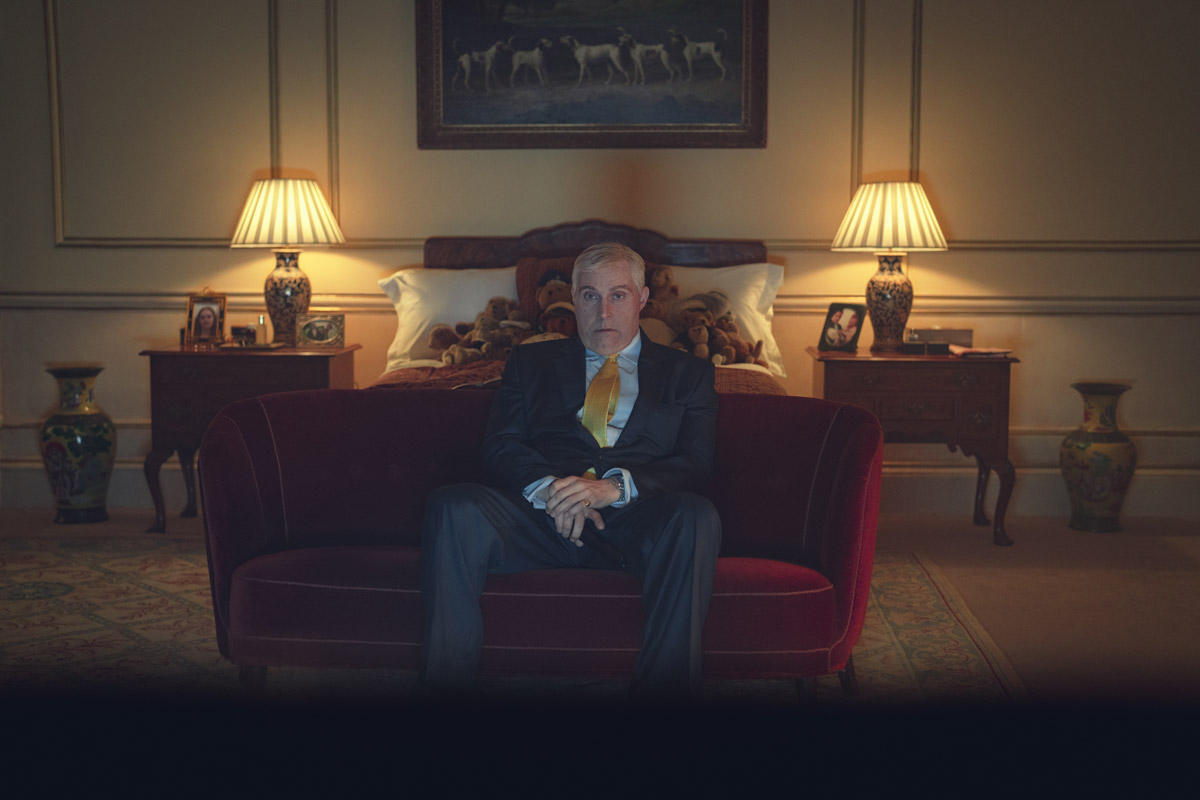
It’s been interesting to watch everything around Scoop, the Netflix movie about what happened behind the scenes of Prince Andrew’s infamous 2019 Newsnight interview. If we were talking about The Crown, the Windsors and the royalist media would have thrown a weeks-long tantrum about how much they hate Netflix. But the royalists just sort of ignored everything about Scoop for the most part. There was some chatter among the royal commentators, but no big Daily Mail excoriating Andrew OR Netflix. I think part of it is because the film is pretty straight-forward and it makes everyone involved look bad, including the BBC (unintentionally, which is even funnier). And the performances are actually quite gentle – I thought Rufus Sewell did a perfectly adequate job as Andrew, and I would even say all of the interview scenes are really very good and he’ll probably get nominated for some awards. As Sewell has promoted Scoop, he’s tried to avoid saying anything too bad or too pointed about Andrew or the Windsors, but he code-switched a little bit while chatting with the NY Times:

[Sewell] said he was aware of the risks inherent to this type of role. “I have a kind of nightmare version of the performance that I’m giving that I run madly from,” he said. “In my head it was this weskit-wearing prince regent, a parody, you know, that I was frightened of.” The right performance, he added, was in “the uncanny valley between me and him.”

Becoming the duke the right way, Sewell said, began with studying Andrew, “which really was just obsessively watching and trying to get behind what I could see.” Though he insists he is “not a natural mimic,” he came to learn Andrew’s interview at the most granular level, memorizing every stutter and every hesitation, scrutinizing them for some deeper meaning. “I obsessed to the point of driving myself insane,” he said. “And then when I thought I’d got it, I’d watch the original again and be struck by something I’d missed. That can go on forever.”

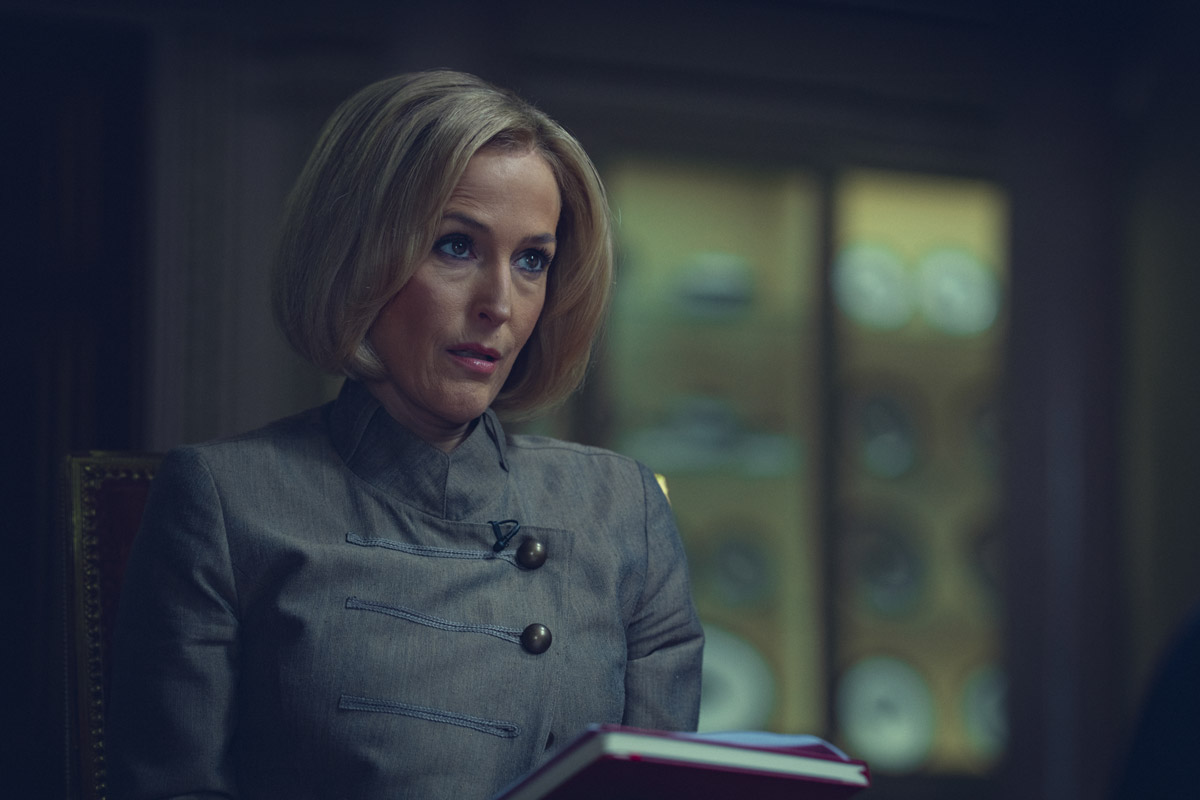
The interview itself is notable for its apparent civility, even courteousness. The duke isn’t grilled or antagonized; Maitlis isn’t especially confrontational, simply giving her subject enough rope to hang himself. The film’s director, Philip Martin, noted that the interview “doesn’t have that ‘A Few Good Men’ or ‘Frost/Nixon’ moment where there’s some factual smoking gun, or some line of dialogue that does it.” Instead, he said, “We got a portrait of a person through the interview. That’s why it’s had the impact that it has.”

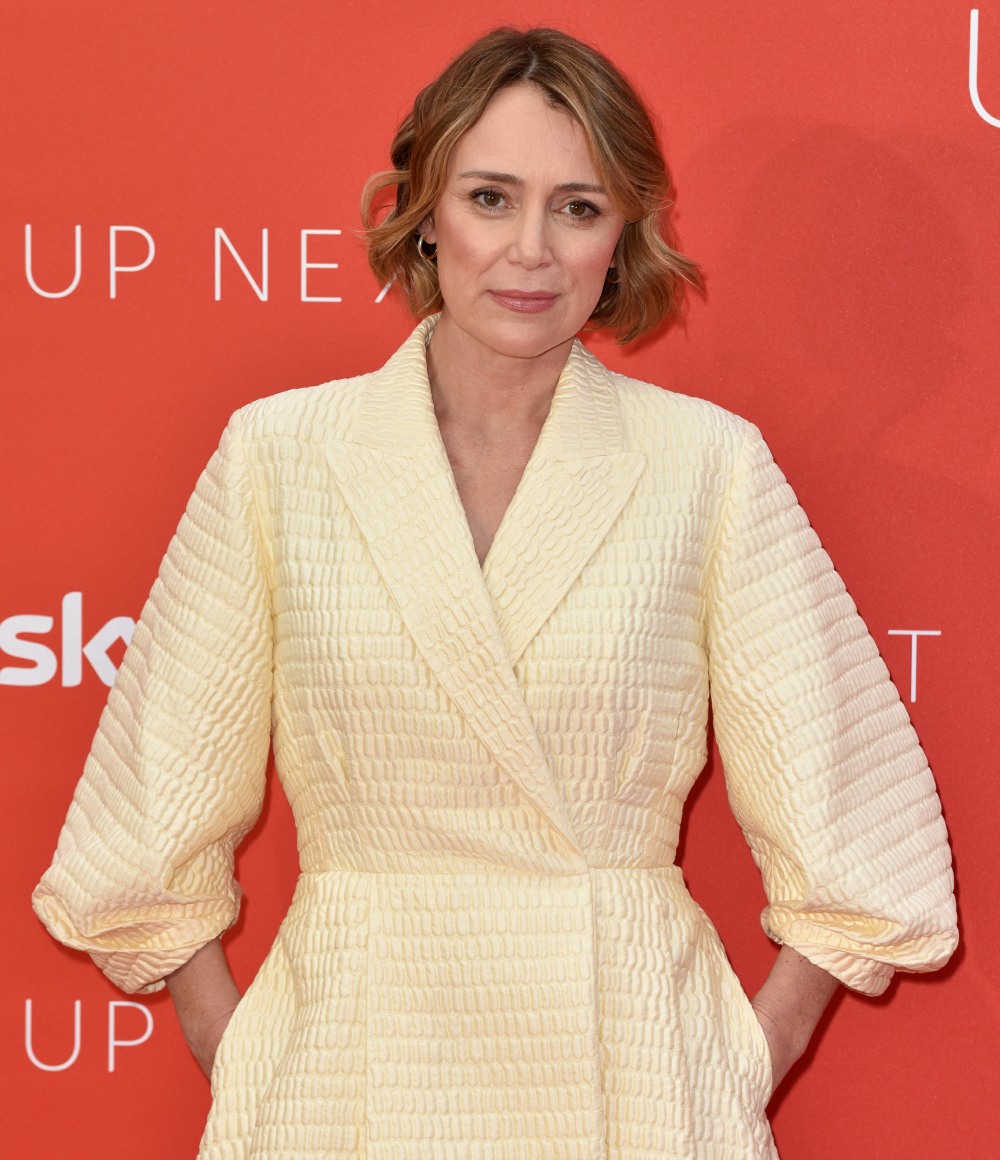
It was also an astonishingly far cry from the royal family’s media-savvy approach of prior decades, and its longtime motto “Never complain, never explain.” Rather, the duke’s BBC appearance is an hourlong exercise in complaining and explaining. In the film, the duke’s private secretary, Amanda Thirsk (Keeley Hawes), urges the duke to speak to the BBC because she believes an open conversation will endear him to the British public. But the public is outraged.

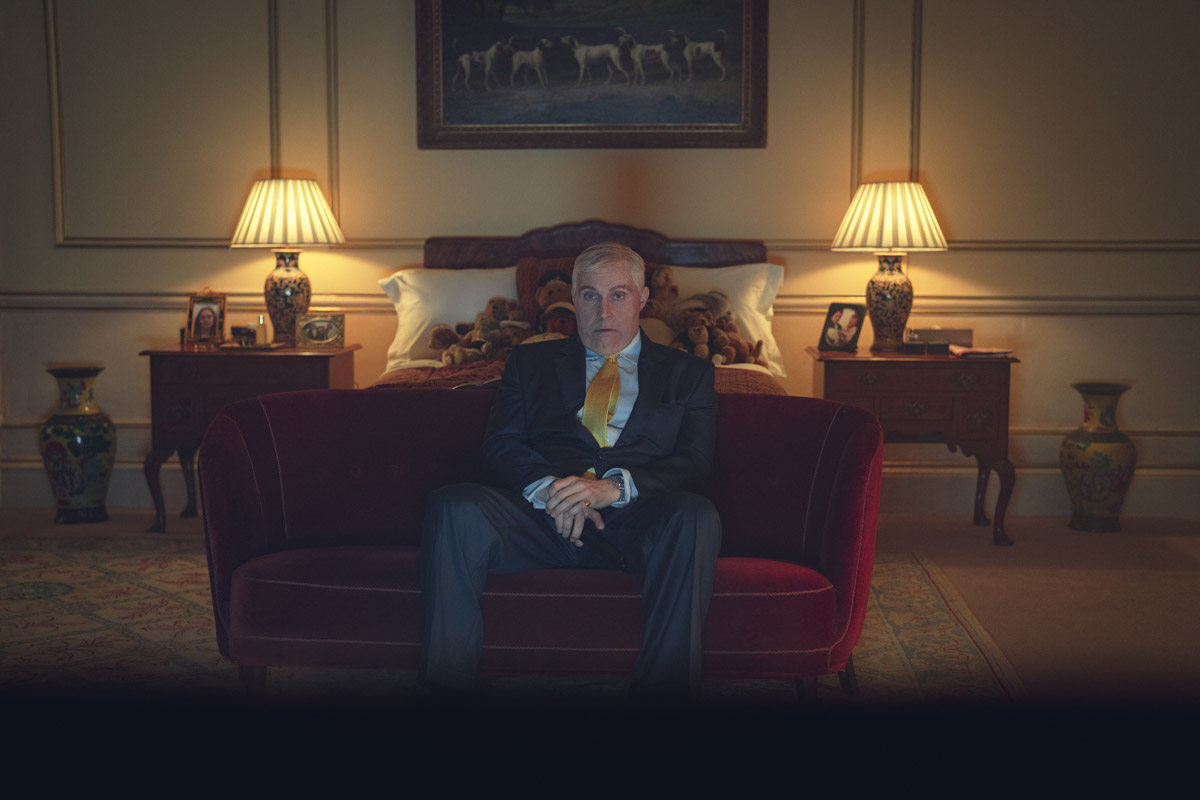
Sewell said he saw all this as symptomatic of a kind of hereditary delusion in the royal family. Why would the duke, who is Queen Elizabeth II’s second son, think it’s OK to fraternize with Epstein? Because he likes Epstein. How could he possibly think people would believe such lame excuses? Because he thinks he’s convincing, or else that people are stupid. “He’s been lead to believe that he’s shockingly inappropriate in a hilarious way, a lot of fun, naughty, sometimes just devastatingly handsome,” Sewell said.

The power of the BBC interview, Sewell said, came from Maitlis refusing to be charmed. “His mouth gets drier and drier. His breathing becomes labored under the bonhomie,” Sewell said. “All you have to do is not play along, and he’s gasping for air.”

[From The NY Times]

“His breathing becomes labored under the bonhomie…All you have to do is not play along, and he’s gasping for air.” I disagree! I think Prince Andrew and most of the Windsor clan live in their own little world, to the point where Andrew truly didn’t even realize that the interview went poorly until days after it aired. I remember it well, even if the British media wants to pretend to have a selective amnesia about it – Andrew reportedly told his mother that the interview went well after it aired (she didn’t watch it) and QEII’s courtiers were completely fine with it for days until the public pressure became too much. Then-Prince Charles basically had to call his mother and tell her that she couldn’t protect Andrew this time, that something had to be done. The fact that it took days for the “fallout” to reach Buckingham Palace tells you all you need to know about how Andrew had no idea what he had done or how he came across.

“He’s been lead to believe that he’s shockingly inappropriate in a hilarious way, a lot of fun, naughty, sometimes just devastatingly handsome” – I believe this, that Andrew’s view of himself has never been that he’s a degenerate human trafficker who pals around with pedophiles. I’ll make a somewhat unfair comparison – Prince William must think that he’s a witty raconteur whose jokes always land. He doesn’t realize that he’s seen as a very awkward egg.
Photos courtesy of Netflix, Avalon Red.
Categories
Rufus Sewell

Rufus Sewell on Prince Andrew: Sometimes likeable people do terrible things

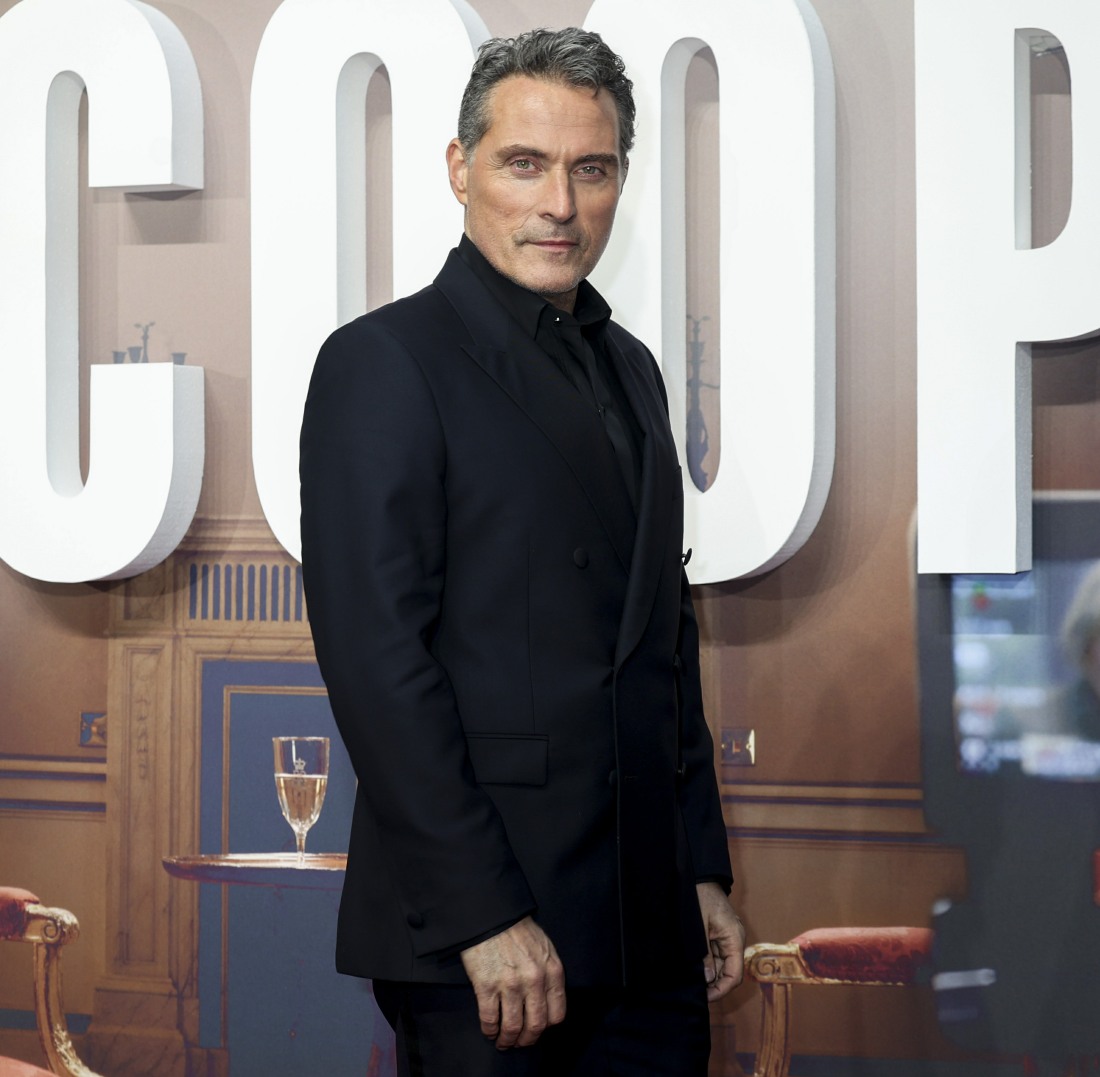
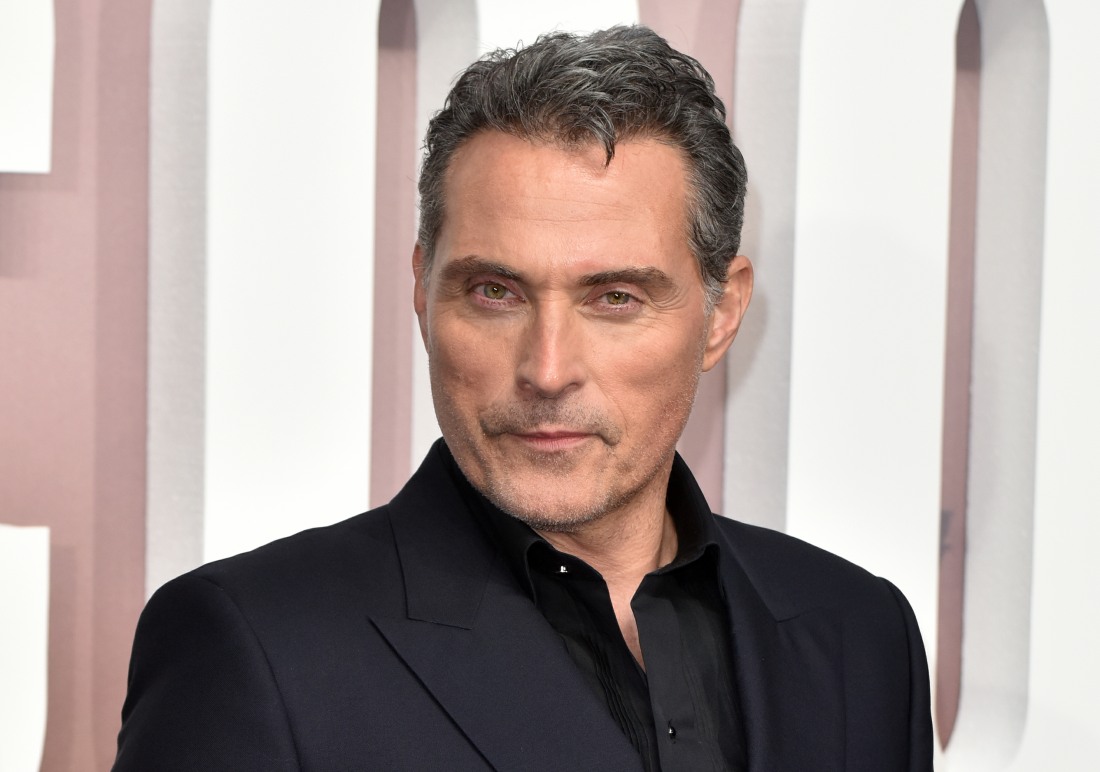
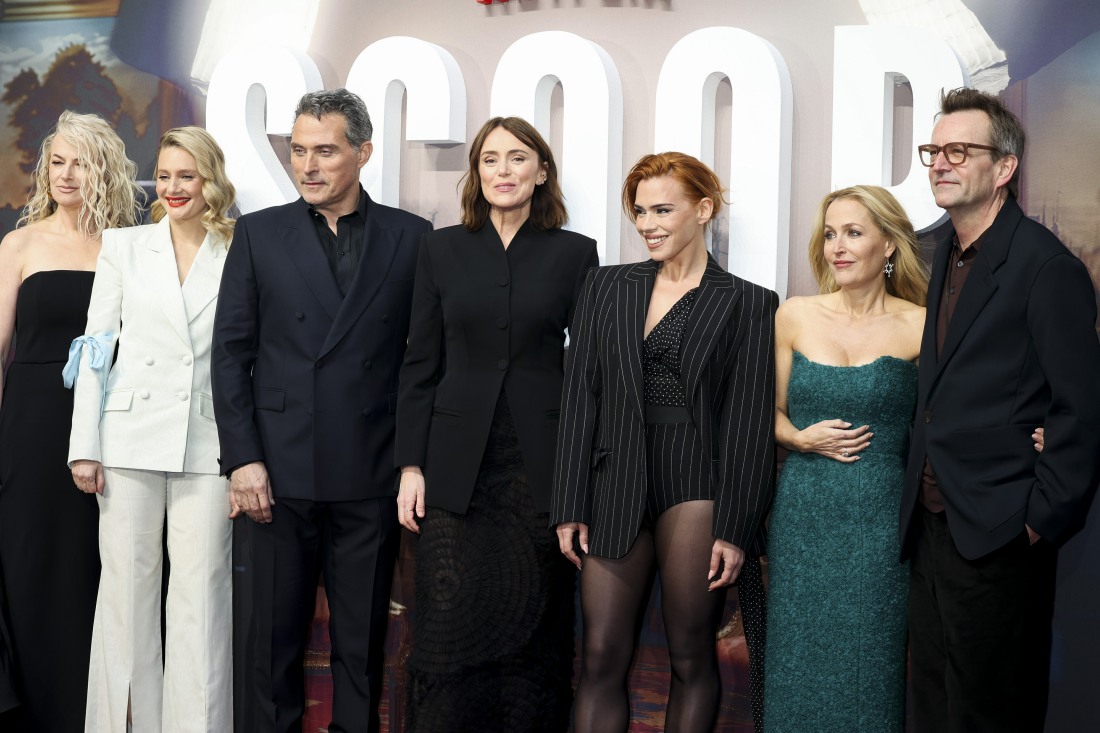
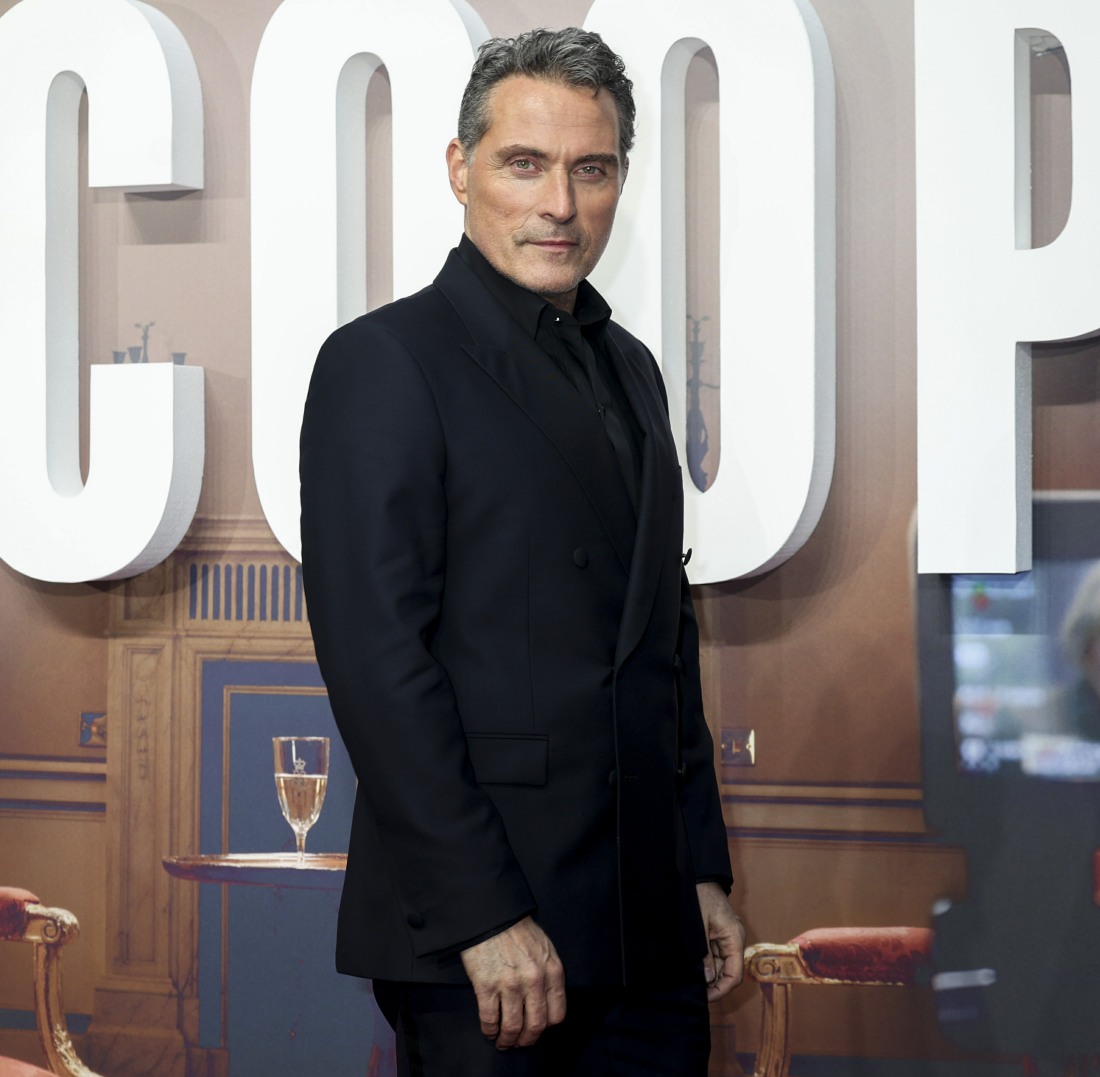
Commenters asked for more “normal” photos of Rufus Sewell, so here you go. These are photos of Sewell from the March 27th premiere of Scoop in London. Scoop is the Netflix movie about everything around Prince Andrew’s infamous 2019 BBC Newsnight interview, and Sewell plays Andrew. They really uglied him up for the role, which begs the question – why hire such an attractive actor to play Andrew in the first place? Well, Sewell is sort of revealing why he scored the role – he took it seriously, he prepared for it thoroughly and he really spent a lot of time studying the interview and Andrew’s sleaziness and mannerisms. Sewell recently spoke to the Radio Times (via the Telegraph) about his mindset and preparations for playing Andrew.

Sometimes likeable people are terrible: “The idea that people who are likeable sometimes do terrible things is a very important one. It’s comforting to assign a blanket of evil towards anyone who does anything bad – not to say that he did or didn’t etc. But it’s important to remember that sometimes the nicest people are not good.” The actor insisted that the film “doesn’t make any case for guilt or innocence, one way or another”.

Andrew was always the blokey brother: “Andrew actually has this blokey quality alongside the Windsor clenched-jaw thing. If you listen to him, as opposed to King Charles, he has a lad’s lad quality. He’s Randy Andy who chats up the working girls when he visits the factory.”

He tried to see things through Andrew’s perspective: “His wishes are caught up with all kinds of muddled ideas. One is that he believes he’s a victim of being too honourable. But he’s afraid of what the repercussions will be for other people. And he also feels that he has been set up. Watching him, it’s clear that he has very mixed-up feelings of culpability and innocence and victimhood – and that is fascinating to play.”

Some people still like Andrew: Sewell also said that while researching the role, most people he met who had worked with the Duke genuinely liked him, adding: “And there are people who still like him, you know?”

[From The Telegraph]

Sewell isn’t wrong that “some people still like Andrew,” and what that possibly says about Andrew’s charisma on a personal level. I mean, he was his mother’s favorite and before the Epstein catastrophe, Andrew really was one of the most popular people in the family. I think Sewell probably hits on something that Andrew had more of a “common touch” and he was more outgoing than his siblings. I also understand why Sewell is trying to explain his process and how he didn’t want to play Andrew as flatly evil or just a bad actor/liar. That being said, I feel perfectly comfortable saying that despite some positive qualities many years ago, Andrew is ghastly – an abuser, a trafficker, a narcissistic POS. And that makes it difficult to see his humanity.

Photos courtesy of Avalon Red, Netflix.

Categories
Gillian Anderson Prince Andrew Rufus Sewell

Rufus Sewell on playing Prince Andrew in ‘Scoop’: He ‘is a product of his environment’

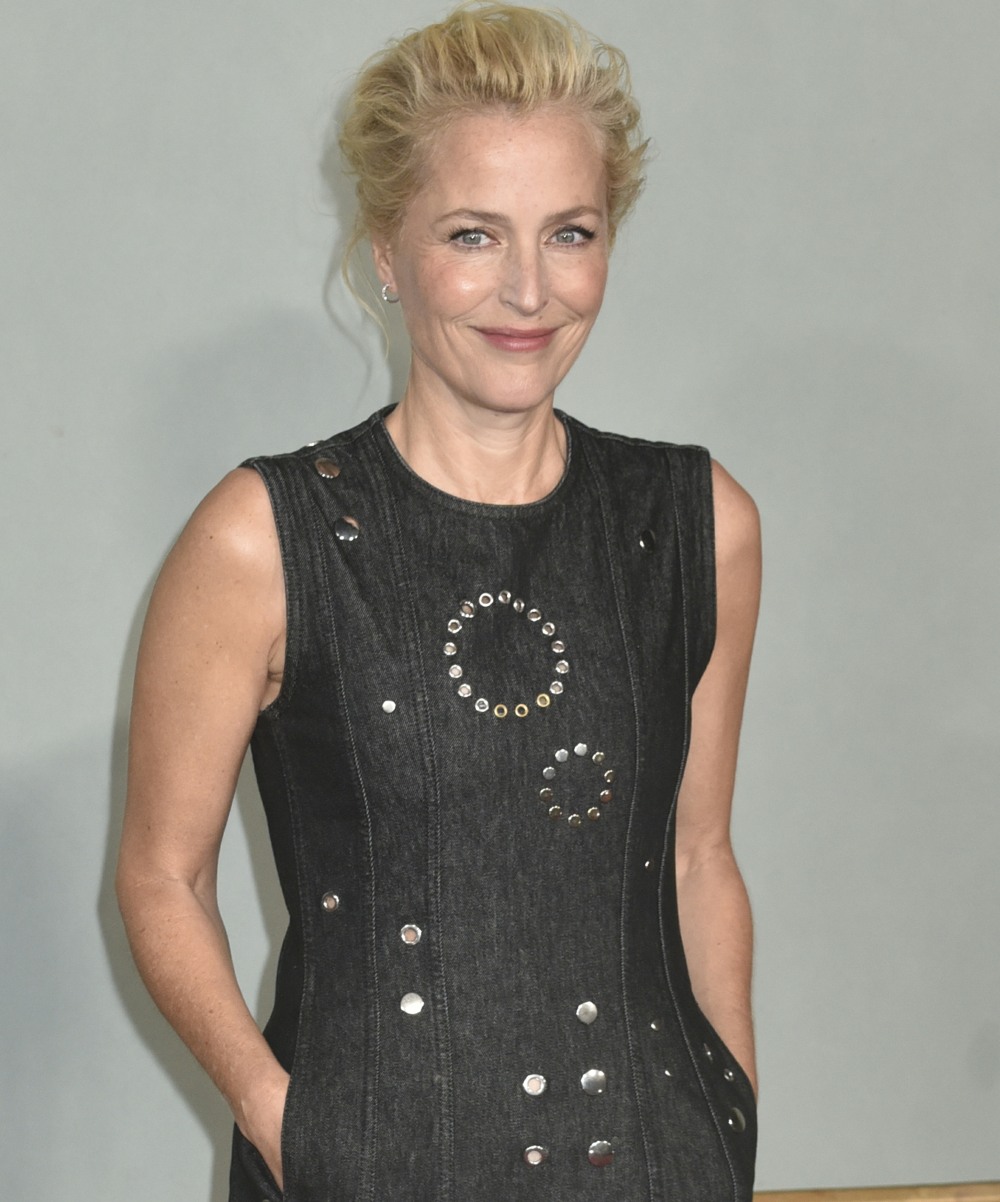
This Friday, Netflix will release Scoop. Scoop is the behind-the-scenes story of how BBC’s Newsnight scored their big 2019 exclusive with Prince Andrew. Gillian Anderson plays Emily Maitlis, the steely BBC journalist who held her own against a floundering, smarmy, lying prince of the realm. Andrew is played by Rufus Sewell, and they really uglied up Sewell for this role. The British media can’t get enough of how scandalous this is going to be, meanwhile I haven’t seen much about Scoop in the American media. Andrew’s interview made global headlines at the time though, and I’m sure this film will draw international interest when it drops. The Telegraph did a lengthy piece on the film, with lots of quotes from Gillian Anderson and Sewell about how they approached their characters and what they thought of the real people (hint: Gillian is in awe of the real Maitlis while Sewell was trying hard to not make his version of Andrew as smarmy as the real one).

Sewell was reminded of Ricky Gervais in The Office while studying the interview: “Watching Andrew was like watching a comic masterpiece. He actually reminded me a lot of David Brent, but with a little less natural warmth. It was the way he was speaking past the interviewer, directly to the viewer; very aware of the effects he desired – little epiphanies he’d whipped up on his own, as fresh meat for the camera.”

Sewell on Andrew’s “guilt”: “I have strong feelings about whether he is guilty or not that I want to keep to myself, but it’s a very important part of the job to remind people that it’s human beings who do these things. I grew up in an era where Andrew was supposedly ‘the cool Royal’. I watched a lot of footage from when he was younger, talking to people in factories and offices and he was really – inarguably – charming.”

They really had to work hard to ugly up Rufus Sewell: Once filming began, the make-up team would spend up to four hours a day getting Sewell ready for the cameras. “They put on a bald cap, wispy hair over that and then attached bits to the nostrils, round the chin, the forehead and cheeks,” he says. “As my face receded, his came through.” At one point the resemblance became so strong that even friends of the actor failed to recognise him in photographs, and the producers decided to tone down the prosthetics since, as Sewell puts it, “if you go too far, you start to be watchable in the wrong way.”

Gillian Anderson on the unanswered questions: “It’s very much a thriller. It’s propulsive, despite the fact we know what the end result is.” Besides, Anderson points out, plenty of unanswered questions remain: not least, exactly why the late Queen’s middle son (and reputedly her favourite) ignored his mother’s edict – “never complain, never explain” – with consequences that one commentator would subsequently liken to “a plane crashing into an oil tanker, causing a tsunami, triggering a nuclear explosion.”

Gillian on Andrew’s narcissism: “We don’t know to what degree Andrew had rehearsed, or whether his answers were his own or fed to him. But somebody thought they were a good idea. He had the chance for the interview to go very, very differently. Even afterwards, he thought it was a success – to the point where Emily was given a tour around Buckingham Palace.” But, she adds, it’s worth bearing in mind that the Royal family “play a role that is very valuable to a lot of people in this country and part of that role includes being sequestered and not necessarily living in the real world. So why would we expect them to be able to respond in a real-world way?”

Sewell agrees that royal life is a sh-tshow: “Andrew is a product of his environment. To be what he believes himself to be demands the acquiescence of the subject. It’s clear he’s never sat opposite anyone who’s said, ‘Oh, that’s b——s’ or ‘F–k off!’ to him.” Returning to footage of the original interview, he says, “when you watch him, you see a strange mixture of guilt and innocence and victimhood. This is someone, in my opinion, who does not think of himself as a bad person and has an enormous amount of compassion and sympathy… for himself. He’s constructed a narrative in which he is in some way a victim of his own honour. The people who were sent out to defend him say the same thing: ‘He was set up.’ That is quite likely, given Epstein’s modus operandi. However, one can argue: if you’re setting up a honey trap, how do you know who likes honey and who doesn’t?

Gillian was scared of playing Maitlis: “It was even more daunting than playing Mrs Thatcher. I worried, ‘Will I be asking for trouble – not just embodying somebody who’s alive, but who’s such a formidable presence, with real fans and whom people have real opinions about?’”

Sewell thinks Andrew underestimated Maitlis because she is a woman: In the end, Sewell concludes, what brought Andrew down was a polite but steely woman refusing to defer to him. “He was congratulated and adored as a child for being a scamp, the lovable palace rascal, all those things boys are celebrated for – even more back then. He’s been led to believe it’s his natural charm that makes people like him, not his prince status. In this situation, sitting opposite Emily, he’s attempting to reignite that but he can’t get the oxygen to do it. It’s not a lack of manners, or rudeness or aggression on Emily’s part. She’s just not playing that half of the contract he expects – and he’s left gulping for air.”

[From The Telegraph]

I found Sewell’s quotes fascinating – he’s really studied the interview, not just for mannerisms but for motive, to really try to understand the layers of Andrew’s performance within the interview. As for the big mystery as to why Andrew did the interview… Epstein died in jail just four months before the interview, and there was so much renewed energy on Andrew’s association with Epstein. Like, I understand from a “crisis management” perspective why someone in the palace thought it would be a good idea for Andrew to go on the record to formally deny all of this stuff. What they didn’t count on was that Andrew’s answers didn’t make any sense, his denials came across as lies and the man has zero charisma on camera.

Photos courtesy of WENN, Netflix. Screencaps courtesy of the BBC.

Categories
Gillian Anderson Keeley Hawes Prince Andrew Rufus Sewell

Rufus Sewell will play Prince Andrew in Netflix’s adaptation of ‘Scoop’

As much as Prince Andrew wants to pretend that his “downfall” began when he paid Virginia Giuffre millions of dollars in an out-of-court settlement, his downfall actually began in November 2019, when he agreed to sit down with Emily Maitlis on BBC’s Newsnight. The Newsnight interview was a trainwreck from start to finish and the immediate reaction was disgust and anger towards Andrew. He was fired from “public life” within a week, although obviously that did not stick. Last year, one of the BBC producers behind the interview wrote a bestseller called Scoop, all about what happened behind-the-scenes before, during and after the interview. The film rights sold quickly, and now it looks like the film adaptation will be made by… um, Netflix!! LMAO. They’ve got the casting done too.

The very public catalyst that led to Prince Andrew’s dramatic fall from grace is heading to Netflix. The streamer has acquired Scoop, a feature film based on the story behind the disgraced royal’s appearance on the BBC’s flagship news show Newsnight in 2019 — an hour of television that became one of the most significant, notorious and ridiculed interviews in recent years (and one that was then used against Andrew in the civil case filed by his sexual assault accuser Virginia Roberts Giuffre).

Now in production, the film — which was first announced last year — will star Rufus Sewell The Diplomat, The Marvelous Mrs Maisel) as Andrew and Gillian Anderson (Sex Education, The Crown) as Emily Maitlis, Newsnight’s former lead presenter who interviewed the prince. Meanwhile, Keeley Hawes (Bodyguard, It’s a Sin) will play Amanda Thirsk, Andrew’s former private secretary, and Billie Piper (I Hate Suzie, Collateral) will star as Sam McAlister, who negotiated and secured the bombshell booking.

Based on McAlister’s own memoir, Scoops: Behind The Scenes of the BBC’s Most Shocking Interviews, the film will tell the inside story of the women that broke through the Buckingham Palace establishment to land the scoop of the decade, starting with the first failed approach, through to the negotiations with Prince Andrew and his team, the rehearsals, the interview itself and the well-documented and humiliating aftermath, which was famously described as, “a plane crashing into an oil tanker, causing a tsunami, triggering a nuclear explosion.”

[From THR]

Last year, I suggested Hermione Norris for Maitlis, because I honestly think they look like sisters. But Gillian Anderson is an interesting choice too. My concern about Gillian is that she tends to speak slowly regardless of who she’s playing, and Maitlis is a very clipped fast-talker. Will Gillian be able to pull that off? And Rufus Sewell is much too attractive to play Andrew, I’m sorry. They better use prosthetics to ugly him up, or better yet, just cast someone who is that unattractive. Keeley Hawes is always a good choice for any production – it will be interesting to see what they show of Andrew’s “people” and what they do and say about how poorly the interview went.

And yes, the royal reporters are already making this all about Prince Harry. Netflix!!!

Looking forward to this but what was it Prince Harry, who is paid by Netflix, said about the UK media? “It’s like, ‘This family is ours to exploit. Their trauma is our story and our story and our narrative to control.’” https://t.co/QHVT6B18Z3

— Richard Palmer (@RoyalReporter) February 7, 2023

Photos courtesy of Avalon Red, WENN.