Categories
Abortion Rights Barbie Susan Faludi

Susan Faludi thinks ‘Barbie’ is about abortion & the horror of the Trump years

Spoilers for Barbie.

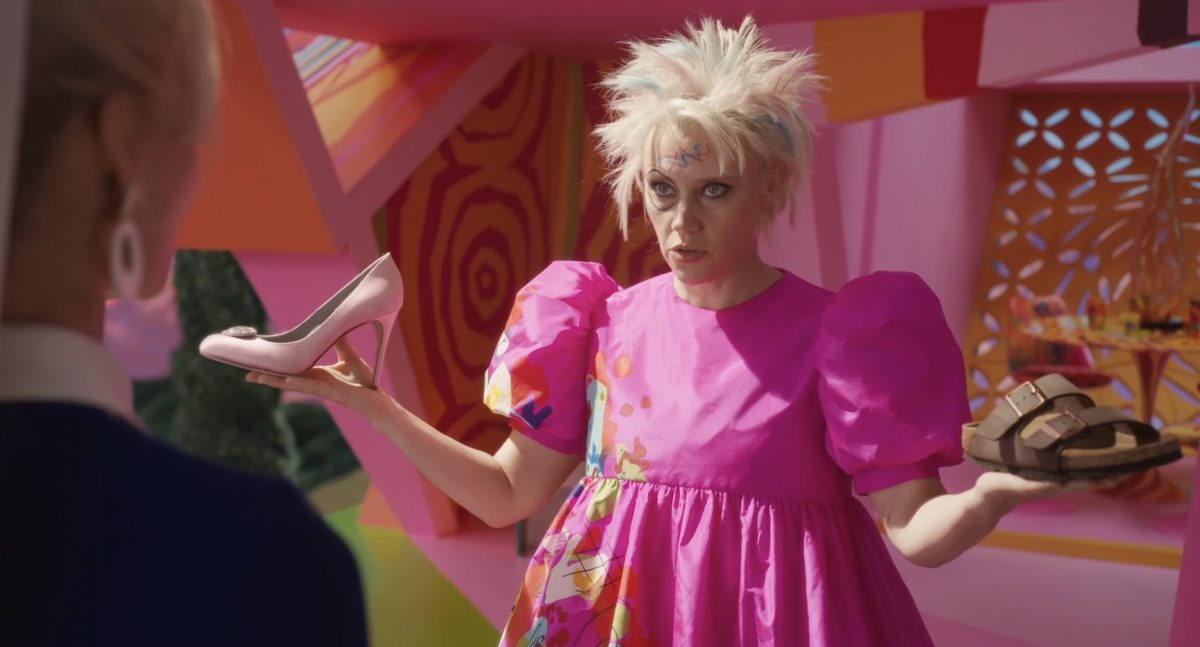
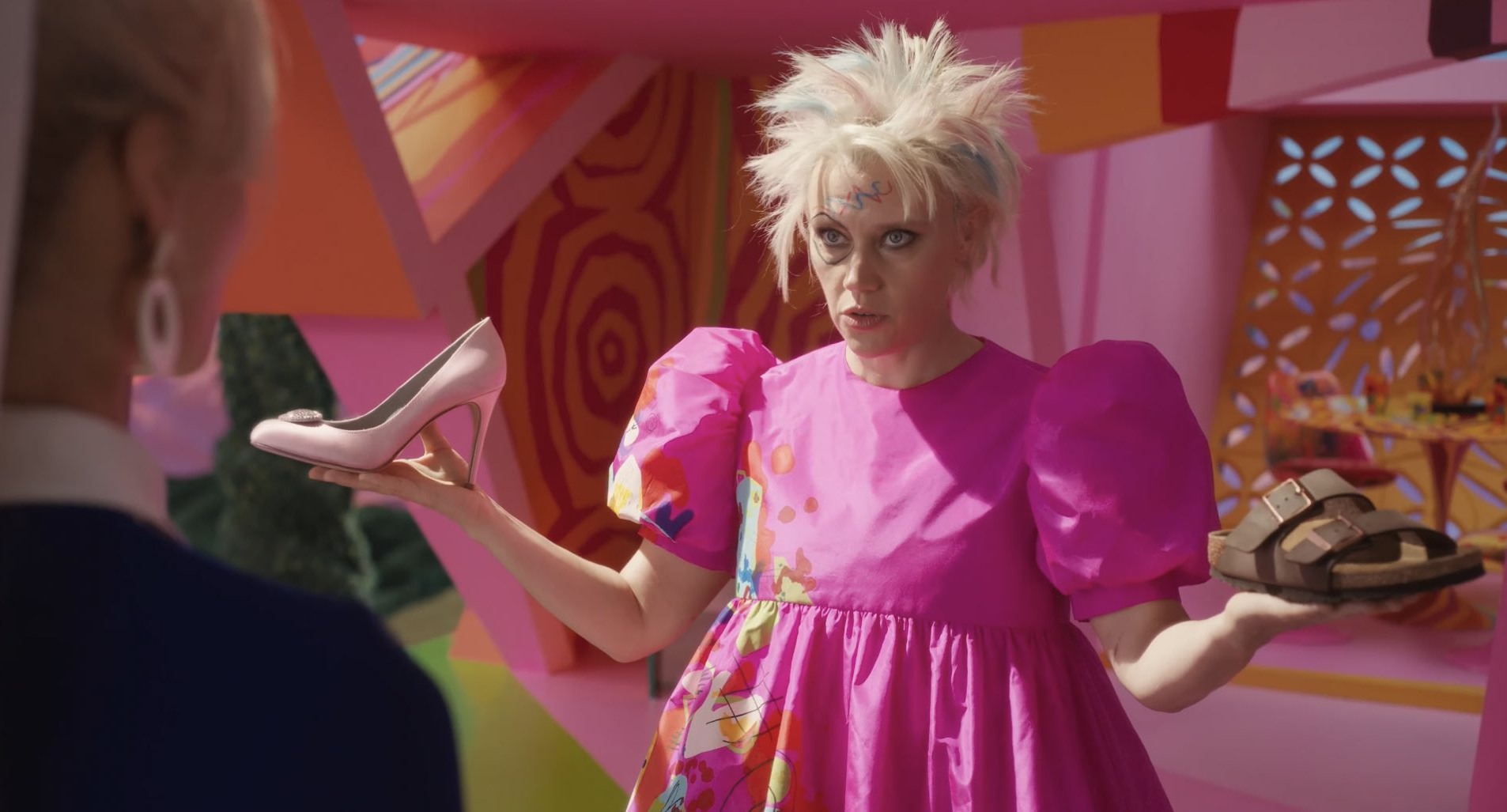
New York Times columnist Jessica Bennett organized a special outing and wrote about it in a column this week. The outing? Taking noted feminist author Susan Faludi to a matinee of Barbie and asking Faludi what she thought about it. Faludi seemed to enjoy it, and she even has some theories about the feminism and backlash politics contained within the film. As I read through the (overwritten and overwrought) column, I sort of agreed with her? Faludi thinks that the film is about abortion and the Supreme Court’s Dobbs decision, which overturned Roe v. Wade. I agree that I think it was really pointed that much of the third act of the film hinged on voting, the Barbieland constitution, patriarchal overreach and, in the final moment, a trip to the gynecologist. Some highlights from this NYT column:

Faludi’s immediate reaction: “I mean, you couldn’t write the script without 30 years of women’s studies,” Ms. Faludi said as the lights came up. “It seems to me that a big theme underlying the movie is shock and horror over what happened to us — what happened to women — from 2016 on, with the double whammy of Trump and then Dobbs. And in particular, I thought abortion was the subtext to a lot.”

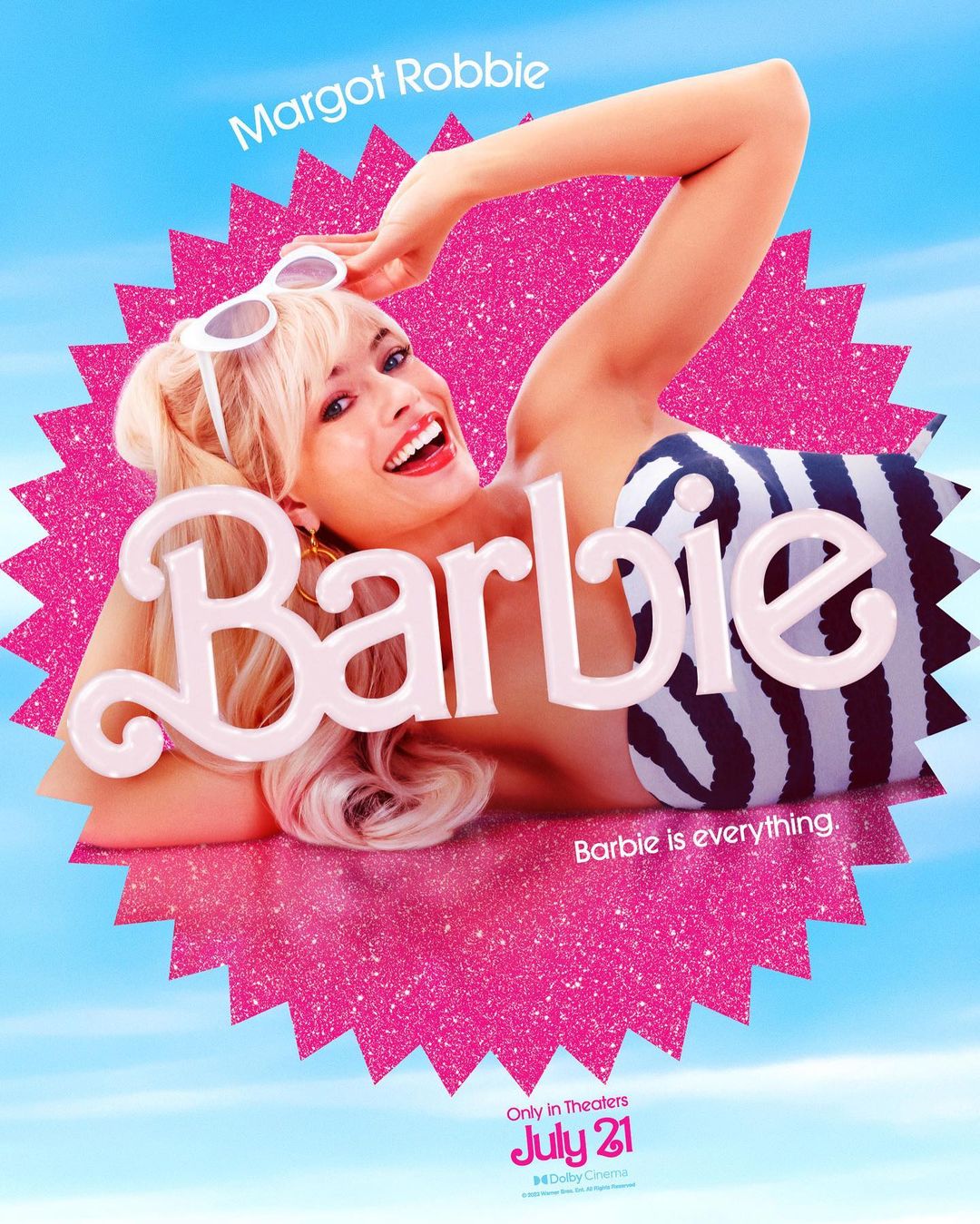
Ms. Faludi explains. “I mean, it begins with little girls playing with dolls learning the origin story of Barbie — and the rejection of the idea that women can just be mothers. It ends with her going to the gynecologist.”

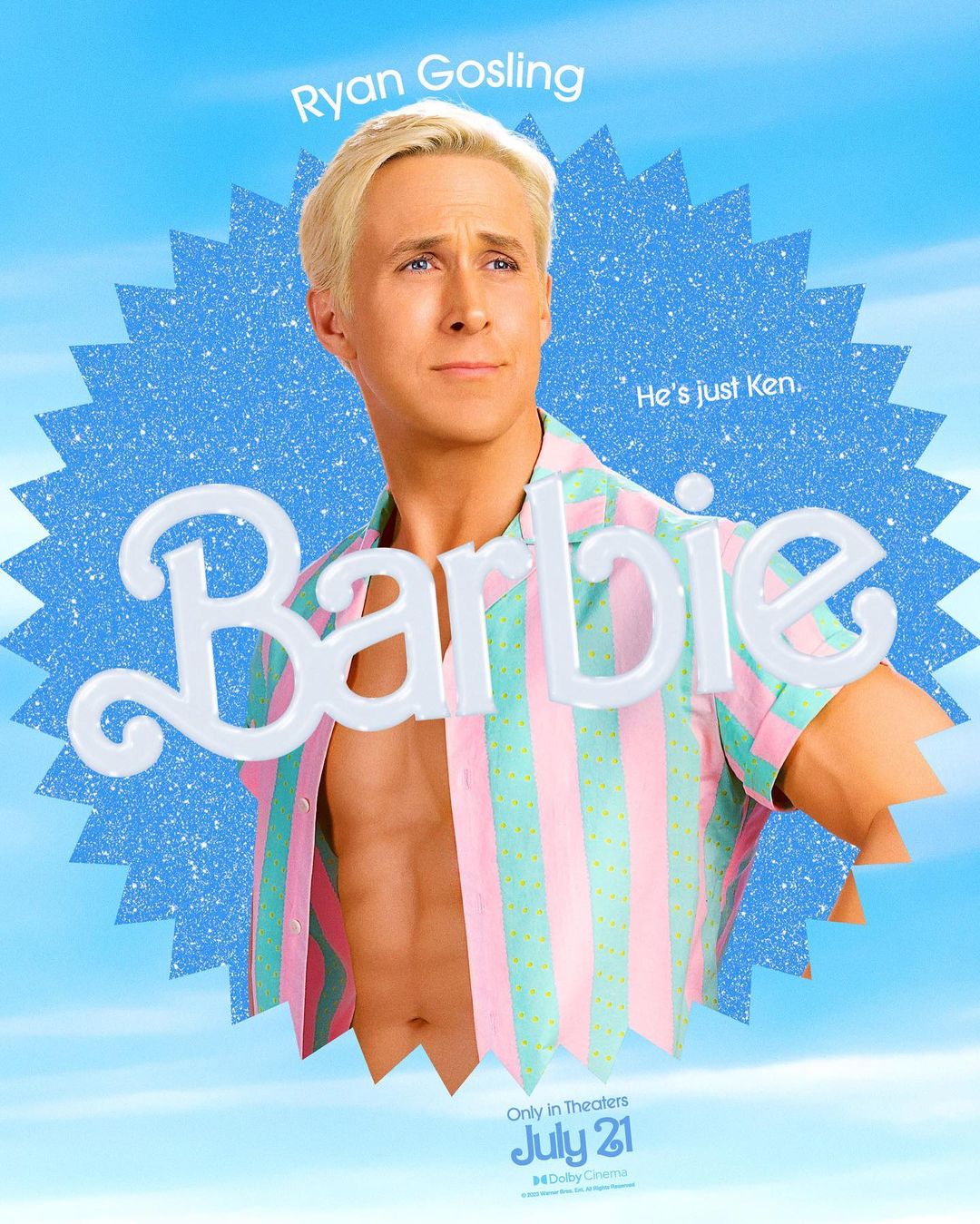
Ms. Faludi went on to outline a series of other allusions to our present moment: In an early montage introducing viewers to Barbieland, lawyer Barbie speaks before the Supreme Court about the idea of personhood — “which immediately made me think of attempts to create the unborn as ‘persons,’” Ms. Faludi said. Later, the Kens attempt to change the Constitution, amid Barbie lamenting how hard they had worked to create Barbieland, and “You can’t just undo it in a day.” (To which Ken responds, “Literally — and figuratively — watch me.”) Ms. Faludi’s take? “I mean, that’s what happened on Election Day of 2016.”

The Midge problem: And then there’s Midge, the doll once marketed as Barbie’s best friend, and the one pregnant doll in the Barbie universe, before she was discontinued. (You could remove Midge’s belly and baby intact from her body and then magnetically reattach it. It was weird.) Midge and her bump are in the film, too, repeatedly — a ghost that the fictional Mattel executives, and everyone else, just wish would go away. She’s there for laughs, but squint hard enough, Ms. Faludi suggested, and you could also see her as “the specter of Dobbs.”

Barbie ofers genuine catharsis. “Perhaps what’s going on,” Ms. Faludi wrote me in an email a few days after the screening, “is that women are finding a way to explore their anger about recent history without feeling like they have to drown themselves in the bathtub (in real water)….Only Barbie could say, ‘By giving voice to the cognitive dissonance required to be a woman under the patriarchy, you robbed it of its power!’ and turn it into a laugh line.”

[From The NY Times]

Yeah… as I said, I think Faludi makes a very good case. Is every part of the movie about abortion and feminism? No, but there’s tons of subtext (and just plain upfront text) about personhood, feminism, bodily autonomy, women’s right to “choose” and the political realities of being a woman in a modern society. I also noted, as I watched the film, that Ken’s line of “Literally — and figuratively — watch me” was actually frightening. They play it off later on, but making Ken drunk on his own patriarchal power and hellbent on achieving a completely male autocracy, a Kenocracy, was a huge f–king choice.
Photos and posters courtesy of Warner Bros/Barbie.
Categories
Abortion Rights Joe Biden politics

Texas judge: Abortion medication mifepristone shouldn’t be FDA-approved

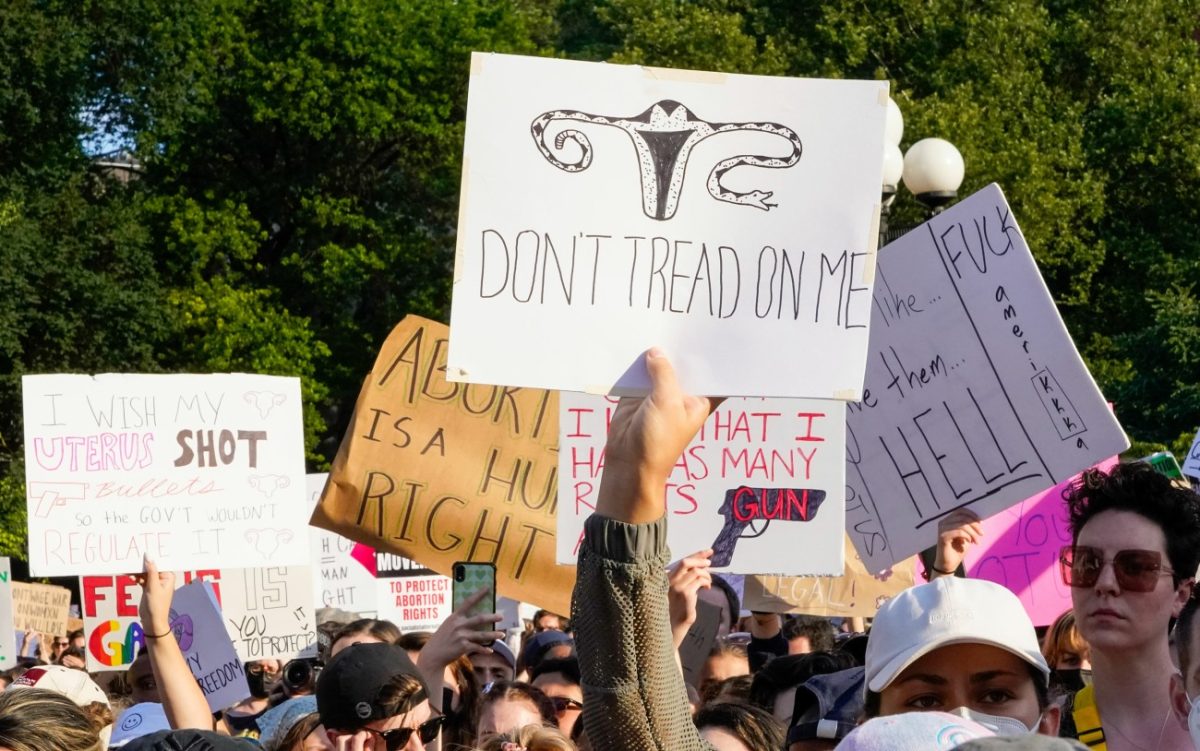
Not even one full year after the Supreme Court overturned Roe v. Wade, a Texas judge has unilaterally decided that the FDA’s authorization of the abortion medication mifepristone is “improper.” As in, a conservative hack in a robe decided he has the power to overturn the federal protections on abortive drugs, which are (obviously) federally regulated, not state-regulated. Many states have abolished abortion clinics and curtailed access to physical clinics where people seeking abortions could see doctors, but states could do next to nothing about mifepristone, the completely safe and legal abortive drug. Until now.

Federal judges in two states issued contradictory decisions Friday evening that could drastically impact access to a drug used in nearly all medication abortions in the U.S. In Texas, U.S. District Judge Matthew Kacsmaryk ruled that the Food and Drug Administration improperly approved the abortion pill mifepristone more than 20 years ago. A coalition of anti-abortion rights groups called the Alliance for Hippocratic Medicine sued the FDA last year. The judge issued a nationwide injunction pausing the FDA’s approval, which is set to take effect in seven days.

Within hours of that decision, U.S. District Judge Thomas O. Rice issued a ruling in a separate case in Washington state. That lawsuit filed by a coalition of Democratic attorneys general in 17 states and the District of Columbia sought to block the FDA from pulling the drug from the market.
Rice’s decision blocks the FDA from “altering the status quo and rights as it relates to the availability of Mifepristone.”

Washington state Attorney General Bob Ferguson told NPR on Friday that he believes the judge’s ruling could make it possible for patients in those states to continue using mifepristone for abortion in the short term — even after the Texas decision takes effect.

“If you live in Washington State or one of the 17 states that joined Washington in our lawsuit…then the judge’s ruling in our case preserves the status quo on ensuring that access to mifepristone remains available,” Ferguson said. For the rest, he said, “The Texas judge’s ruling seriously has the potential to eliminate that access for mifepristone here in the coming days.”

President Biden said the ruling in Texas could have widespread consequences. “If this ruling were to stand, then there will be virtually no prescription, approved by the FDA, that would be safe from these kinds of political, ideological attacks,” the president said in a statement. “It is the next big step toward the national ban on abortion that Republican elected officials have vowed to make law in America,” Biden added. He said that the administration would fight the ruling, noting, “The Department of Justice has already filed an appeal and will seek an immediate stay of the decision.”

[From NPR]

It’s likely this case will end up going to the Supreme Court. I can’t wait to see the ideological hoops the conservative justices crawl through to end up upholding Kacsmaryk’s ruling, which doesn’t seem to be based on case law OR science. Like, mifepristone is completely safe, safer than many FDA-approved drugs currently sold in pharmacies around the country. A random judge in Texas has zero standing to unilaterally decide on ideological grounds that an FDA-approved drug shouldn’t be FDA-approved.

The only positive thing I have to say is that this bullsh-t is a giant loser for the Republican party – their hardline anti-choice stance is deeply unpopular and it’s costing them elections at nearly every level. I don’t know what will happen next.

Embed from Getty Images

Photos courtesy of Getty, Instar and Cover Images.

Categories
Abortion Rights health Phoebe Bridgers

Phoebe Bridgers: All these irrelevant mf-ers telling us what to do with our bodies


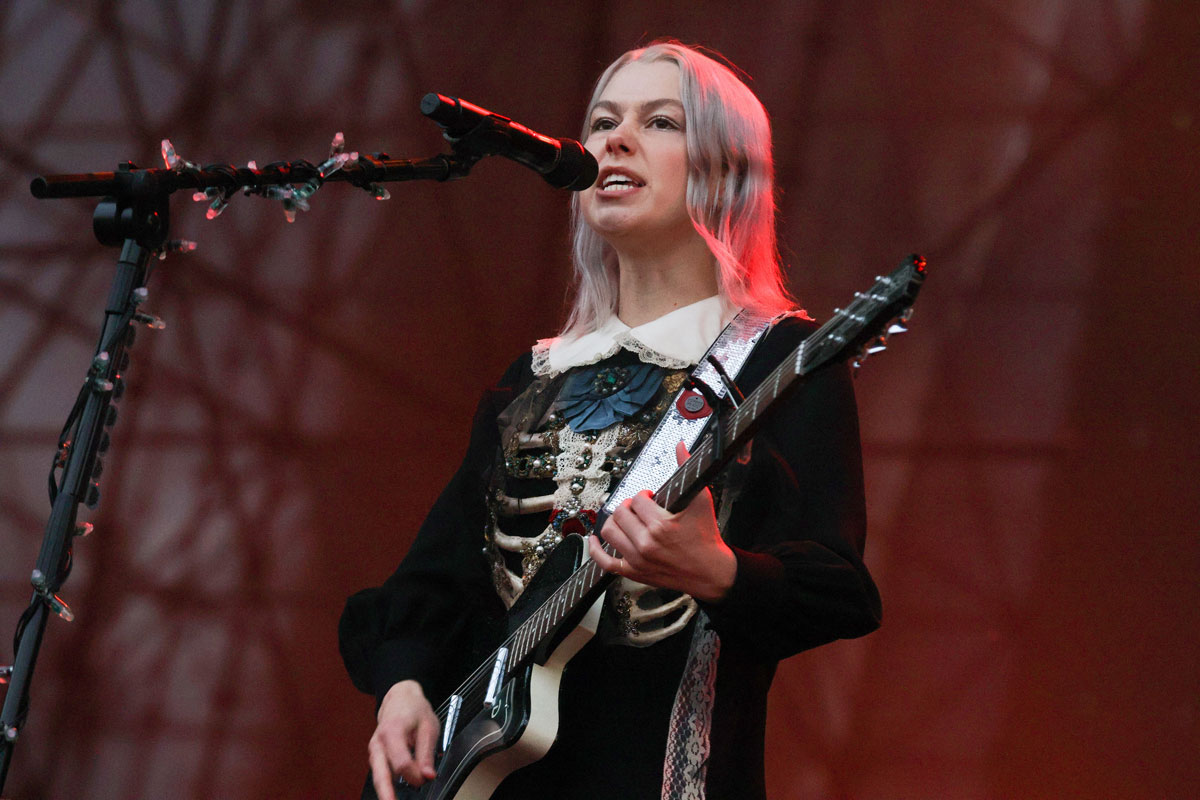
In the weeks leading up to SCOTUS overturning Roe v. Wade, Phoebe Bridgers shared that she’d gotten an abortion in fall 2021 while she was on tour. She went to Planned Parenthood and got the medication. She said, “It was easy. Everyone deserves that kind of access.” Of course she’s right. The many people who have shared their stories are essential to mobilizing and activating others in the fight for abortion rights and access. And Phoebe continues to advocate for the same, recently using her Teen Vogue cover interview to reach young readers on the topic.

Phoebe Bridgers is using her platform to advocate for abortion rights and access.

In her October cover story for Teen Vogue, the “Kyoto” singer, 28, reflected on her own abortion last year and why the ​​Supreme Court’s decision to overturn Roe v. Wade and the right to abortion has inspired her to speak up on injustices.

“F— that s—, f— America,” she said of the reversal. “Like all these irrelevant motherf—ers trying to tell us what to do with our f—ing bodies.”

Bridgers explained that she doesn’t want the Supreme Court decision to intimidate women out of doing what’s best for themselves and their bodies.

“Don’t let anybody freak you out about an abortion,” the musician told the outlet. “Because unless you’re doing it in an unsafe way, there are resources for you if you’re trying to get one — and you should f—ing have one, for whatever reason.”

“It’s super safe,” she added while reflecting on her own experience. “Shout-out to Planned Parenthood. I was very held during it.”


Bridgers also recognized that it’s extremely difficult for many people to receive reproductive healthcare services because of the end of Roe, which is why she’s grateful for the many organizations that have stepped up to help provide easier access across the country.

“I just think middle-class, upper-class white people are always gonna have access to health care and abortion, whether it’s through flying [to another state] or even access to f—ing organizations,” she told the outlet. “It’s just so much harder for the people that it was already hard for, so I like the organizations that are making life easier for those people.”

[From People]

What Phoebe says here makes perfect sense. She’s talking about her own experience, emphasizing how safe and cared for she felt by the providers at Planned Parenthood. It seems like she’s trying to make that point for anyone who is scared or anxious about needing abortion care. And what she says about not “let[ting] anyone freak you out about an abortion” is particularly important, especially for young readers. Even people who have do or could have access and want to get an abortion may be intimidated by the SCOTUS decision, afraid of the misinformation, or pressured/guilted by partners or family or friends. I think it’s good that Phoebe is reminding people that it should be their choice alone and it can be done safely. I also appreciate that as a privileged white woman she’s talking about the disparity in access and resources and highlighting the good work of organizations that are trying to make that more equitable.

photos credit: Yuri Murakami/Fotoarena/Avalon, Media Punch/INSTARimages/Cover Images and via Instagram/Teen Vogue

Categories
Abortion Rights Ana de Armas Andrew Dominik Marilyn Monroe

Planned Parenthood: ‘Blonde’ contributes to ‘anti-abortion propaganda’

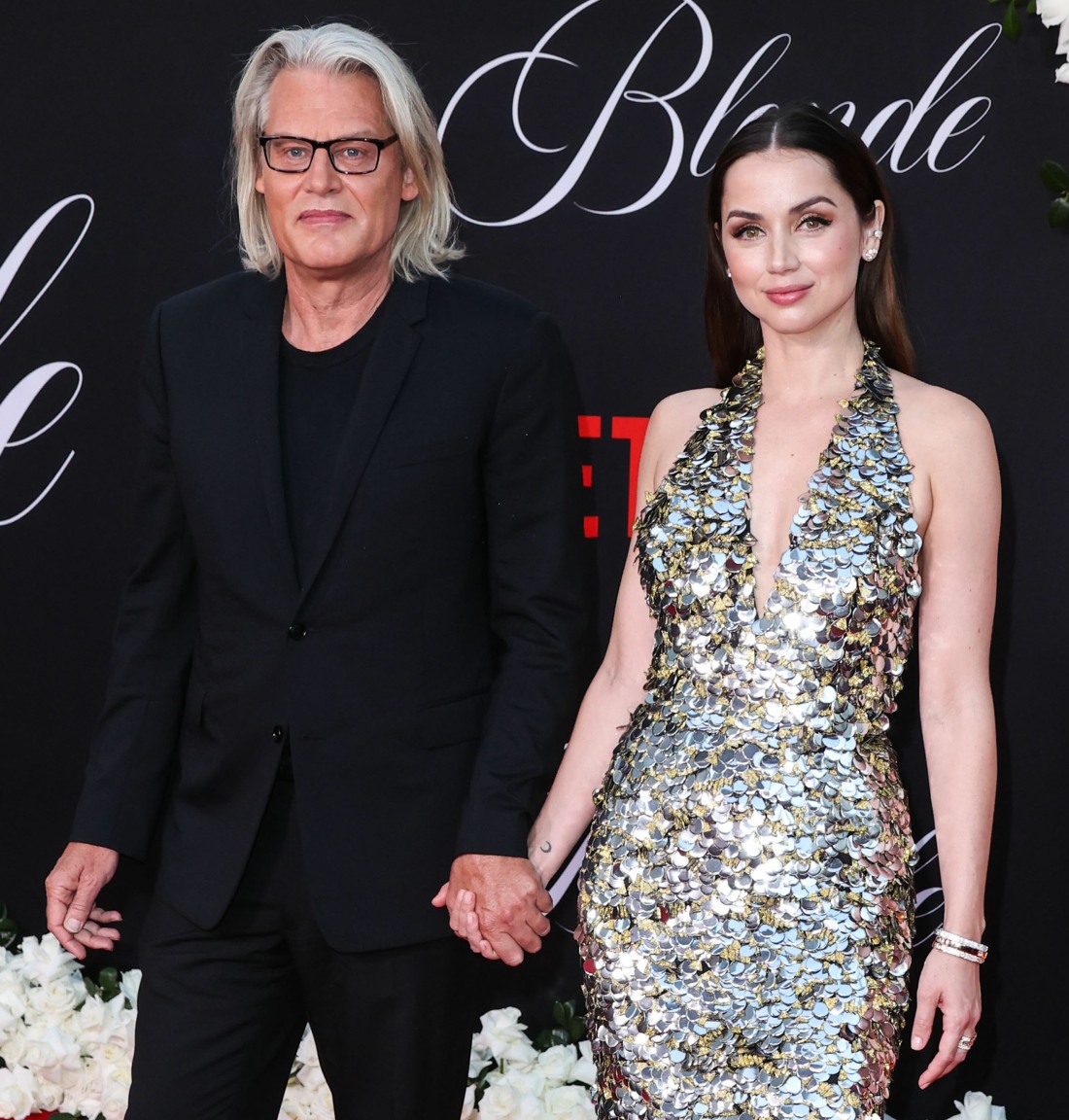
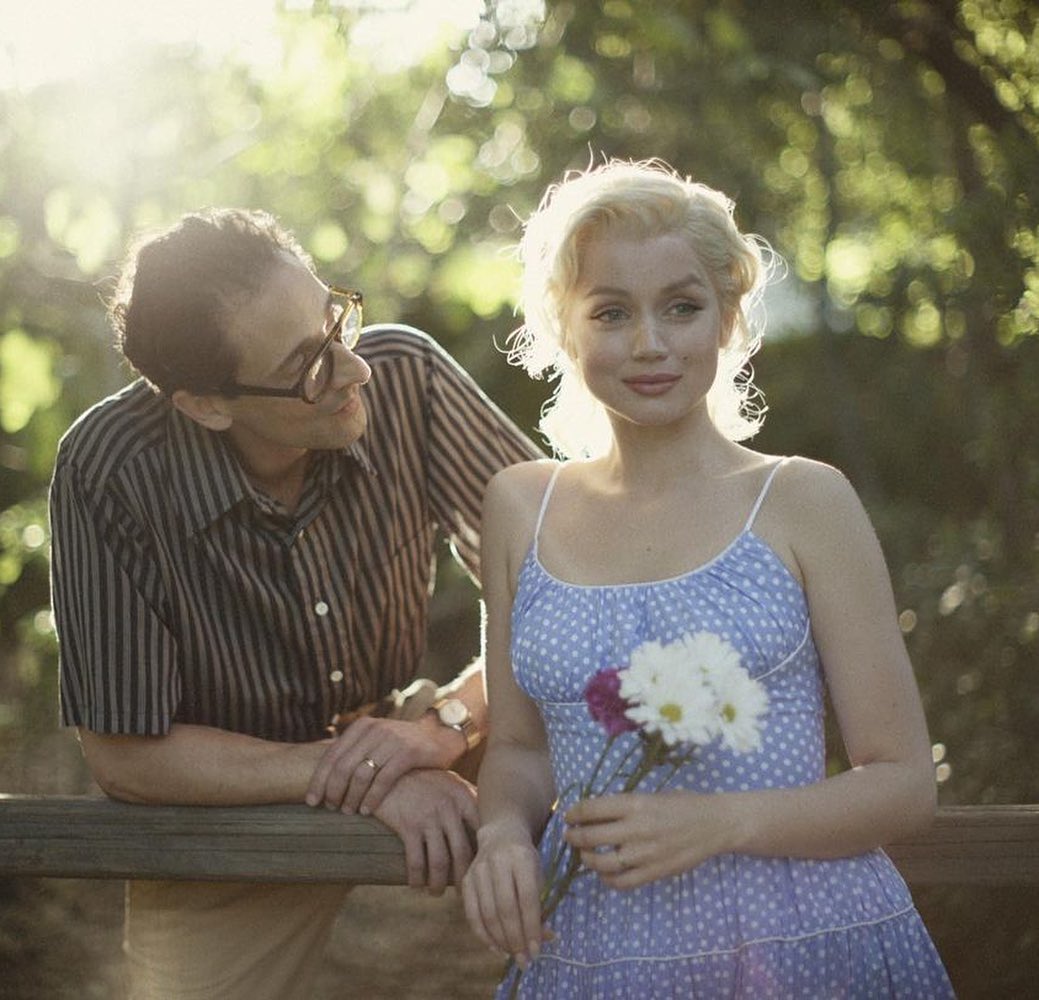
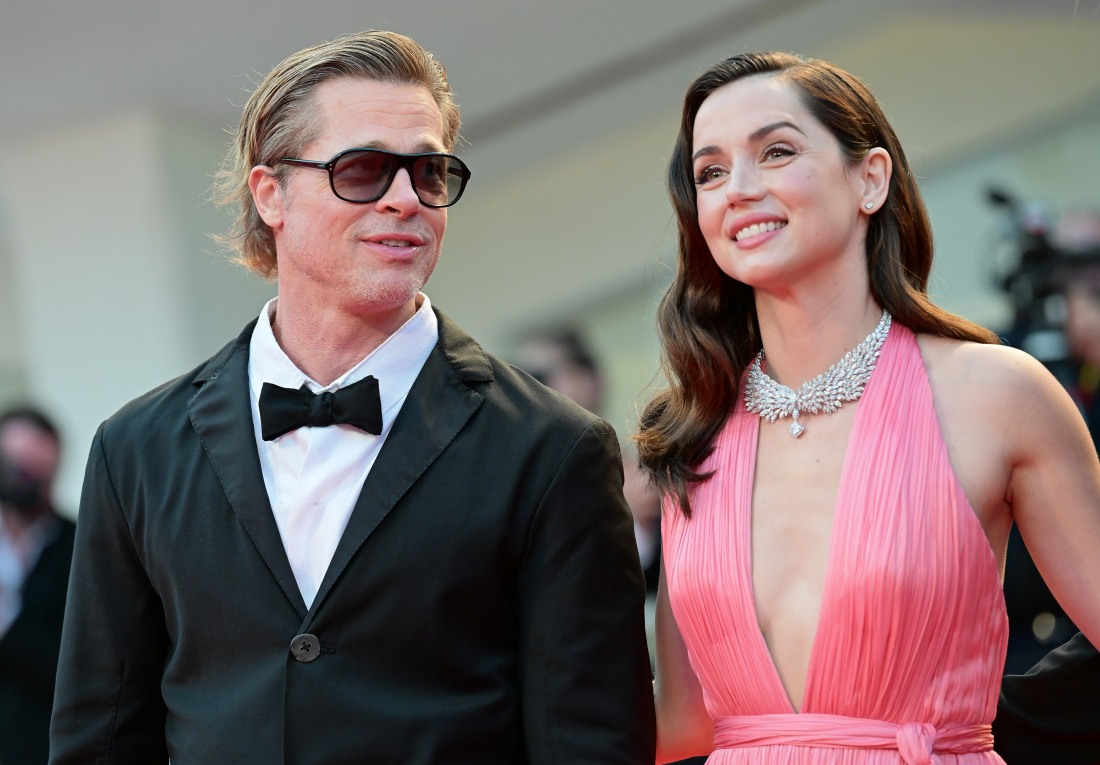
When we recorded this week’s Gossip with Celebitchy podcast, I had only watched half of Blonde, and I talked on the pod about how the movie wasn’t as bad as I thought it was going to be. At that point, I had watched up until Marilyn Monroe met Arthur Miller. The film truly takes horrendous turn after horrendous turn after that. I mean, it was trashy before the Arthur Miller stuff, but you could still feel the thread of Joyce Carol Oates’s book in the first half, even though director/screenwriter Andrew Dominik made a choice to edit out some of the better and more explanatory parts of Oates’s book. Like, Marilyn’s whole first marriage. That’s when Marilyn first begins to understand that it might be difficult for her to get pregnant and carry to term (she had severe endometriosis and very painful periods). Instead of using the truth, Dominik made the choice of forcing his MM character to repeatedly get pregnant and then be forced into having abortions. It was truly insane and there’s no historical record of any of that. The abortion scenes – especially the second one – were beyond f–ked up. So was the talking baby scene, where Marilyn and Arthur Miller are expecting and the fetus lays a guilt trip on her for having an abortion years earlier. Well, Blonde is so bad and so damaging to abortion rights that Planned Parenthood has now issued a statement:

Andrew Dominik’s Blonde, the Marilyn Monroe biopic starring Ana de Armas as the screen legend, has been sparking strong reactions since it premiered at the Venice Film Festival on Sept. 8 and made its Netflix debut Sept. 28. Film critics have called the movie, which is based on Joyce Carol Oates’ 2000 novel of the same title, cruel and exploitative for its portrayal of Monroe’s life.

One thread of that criticism has been the way Blonde deals with abortion. The film depicts Monroe as having had two illegal abortions, which were imposed upon her against her will and which tormented her. Via photoreal CGI, the film portrays Monroe’s fetuses speaking to her. “You won’t hurt me this time, will you?” a fetus asks Monroe.

Arriving three months after the Supreme Court overturned Roe v. Wade, Blonde comes as many in the entertainment industry have been considering their own roles in the way abortion is understood by the public. As far as abortion rights activists are concerned, Blonde is a step in the wrong direction.

“As film and TV shapes many people’s understanding of sexual and reproductive health, it’s critical these depictions accurately portray women’s real decisions and experiences,” Caren Spruch, Planned Parenthood Federation of America’s national director of arts and entertainment engagement, tells The Hollywood Reporter. “While abortion is safe, essential health care, anti-abortion zealots have long contributed to abortion stigma by using medically inaccurate descriptions of fetuses and pregnancy. Andrew Dominik’s new film, Blonde, bolsters their message with a CGI-talking fetus, depicted to look like a fully formed baby.”

Spruch went on to say, “Planned Parenthood respects artistic license and freedom. However, false images only serve to reinforce misinformation and perpetuate stigma around sexual and reproductive health care. Every pregnancy outcome — especially abortion — should be portrayed sensitively, authentically and accurately in the media. We still have much work to do to ensure that everyone who has an abortion can see themselves onscreen. It is a shame that the creators of Blonde chose to contribute to anti-abortion propaganda and stigmatize people’s health care decisions instead.”

[From THR]

Yep, all of this, especially “It is a shame that the creators of Blonde chose to contribute to anti-abortion propaganda and stigmatize people’s health care decisions instead.” The second abortion isn’t even portrayed as Marilyn’s decision. Men literally come for her in the night and take her away for a bloody abortion. AND NONE OF IT IS TRUE. It would be one thing if this was a biographical film which stuck to historical accuracy and it was a fact that, say, Marilyn had an abortion and regretted it. There is literally no evidence that any of the abortion sh-t happened. She did miscarry when she was with Arthur Miller and that miscarriage left her devastated and contributed to her drug use. That’s the historical reality – that Marilyn desperately wanted a child and she could never carry a pregnancy to term. And Blonde is 100% anti-abortion propaganda.

Photos courtesy of Avalon Red, Cover Images, Netflix.

Categories
Abortion Rights politics

Voting works: Kansas voters protect their state’s abortion rights

I never thought we would talk about Kansas as one of the most significant bellwether states for abortion rights, but here we are. Voters in Kansas had a choice on their primary ballots this week: vote for or against a proposed state constitutional amendment which would have authorized the state government to ban or regulate abortion. The proposed amendment failed with voters. It’s almost as if… voters around the country are extremely engaged and prepared to get out the vote solely on securing abortion rights.

In the first abortion-related election since Roe v. Wade was overturned, Kansas voters have rejected a proposed constitutional amendment that would have specified that the right to terminate a pregnancy isn’t protected. Though votes are still being counted, Decision Desk HQ determined that the amendment has failed, preserving access to abortion in a state that has emerged as a regional destination for the procedure.

The Supreme Court’s reversal of federal abortion protections has put new focus on state courts and constitutions. In Kansas, the state Supreme Court held in 2019 that their constitution guarantees the right to an abortion — a ruling that has barred state legislators from passing laws that might ban or heavily restrict access to the procedure. Right now, abortion in Kansas is legal up until 22 weeks of pregnancy.

The Kansas amendment was voted on during a summer primary with no competitive Democratic contest and in a midterm year that is otherwise likely to favor Republicans, who typically oppose abortion rights. That scheduling had initially raised eyebrows in Kansas.

“It’s very obvious the side that wants to overturn the court decision — which would be a ‘yes’ — deliberately put this on the August vote thinking it would turn in their favor,” Michael Smith, a political science professor at Emporia State University, told The 19th prior to the election. Instead, it appears that the national Roe decision has energized abortion rights supporters, including those in Kansas. National Democrats are counting on that energy in this November’s midterm elections, particularly in Senate races in states such as Nevada, New Hampshire and Wisconsin. It could also hold sway in Kansas, where Gov. Laura Kelly — a Democrat who has vetoed abortion restrictions — is in a tight race for reelection.

[From The 19th]

The 19th points out that a similar amendment is on the ballot in Kentucky in November, and voters in California and Vermont will get to decide whether abortion rights are codified in their state constitutions. Here in Virginia, if our racist trashbag governor gets a Republican majority in the state legislature, he’s going to try to ban abortion too. Remember all of the “internet activists” whining about the message to “vote”? Point to this Kansas election. Point to all of these state elections. Point to all of the gubernatorial races and the g–damn midterms.

A bunch of people voted in Kansas today and now abortion access is protected in that state. Don’t let people who spend too much time on the internet tell you that voting doesn’t matter.

— Jon Favreau (@jonfavs) August 3, 2022

Embed from Getty Images

Embed from Getty Images

Embed from Getty Images

Photos courtesy of Instar, Getty.

Categories
Abortion Rights Josh Hawley politics

Josh Hawley got transphobic about terms like ‘pregnant people’

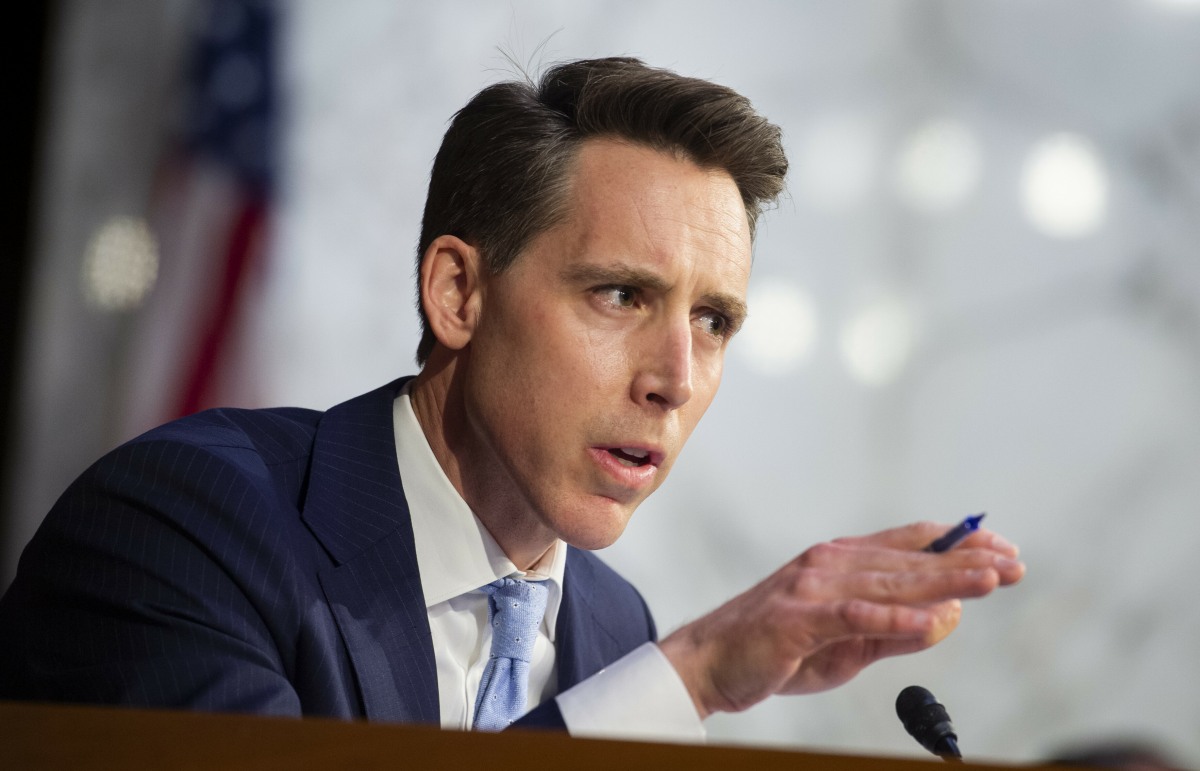
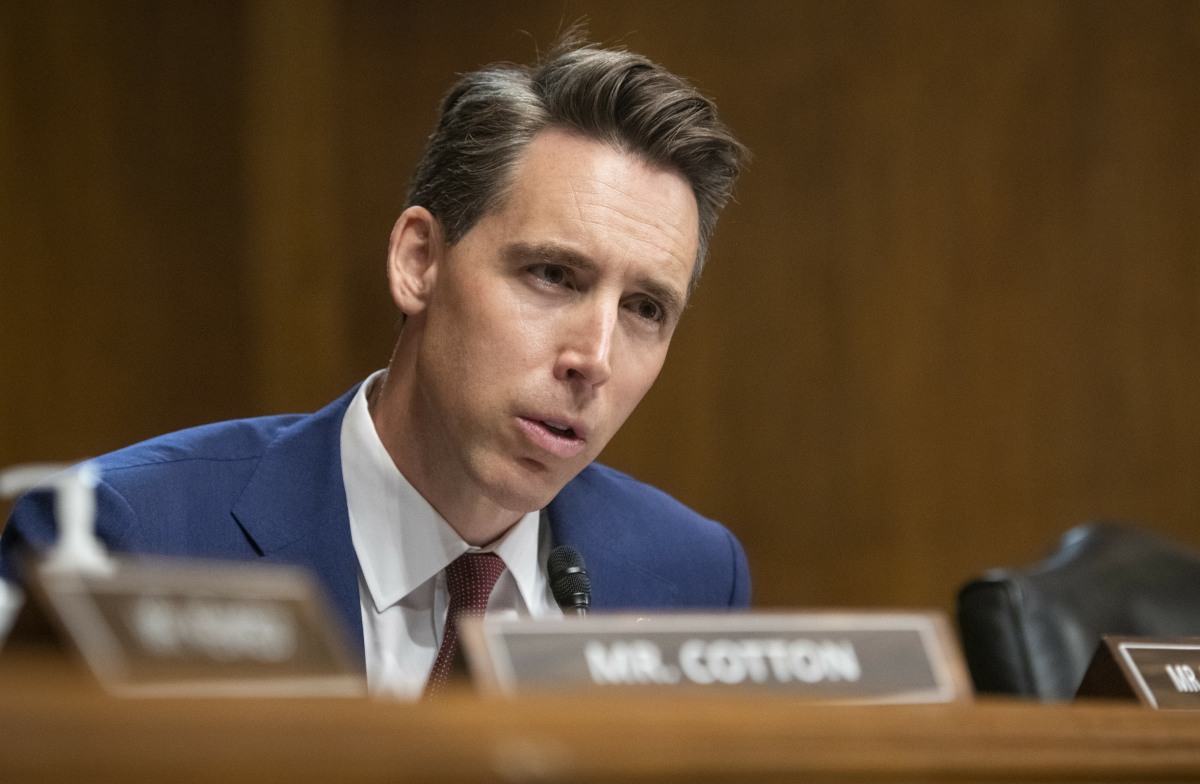
Yesterday, the January 6th Committee was conducting yet another hearing about the terrorist attack on our country. The focus of yesterday’s hearing was the organization and management of various white supremacist terrorist groups. Senator Josh Hawley was part of that – he was a huge part of the Stop the Steal “movement” and he actively encouraged and managed the white supremacist terrorists arrival in Washington and the fact that they stormed the Capitol. Unfortunately, Hawley was not part of the Jan. 6th hearing. Instead, he was taking part in a different committee hearing on abortion rights. He decided to get transphobic about Professor Khiara Bridges’ testimony, where she used the correct terms “pregnant people” or “people with the capacity for pregnancy.”

During a Senate hearing on the future of abortion rights Tuesday, Sen. Josh Hawley (R-MO) became the latest Republican lawmaker to use transphobic rhetoric to rile up the GOP’s base — and to avoid wrestling with the consequences of abortion restrictions across the country.

Hawley, in his line of questioning, asked one of the witnesses — UC Berkeley Law Professor Khiara Bridges — why she kept using the term “people with a capacity for pregnancy” when she was describing who would be affected by bans and restrictions on abortion. “Would that be women?” Hawley asked.

Bridges explained that she was using this term to be inclusive of different groups who would be affected by these laws. “Many cis women have the capacity for pregnancy, many cis women do not have the capacity for pregnancy,” Bridges explained. “There are also trans men who are capable of pregnancy as well as non-binary people who are capable of pregnancy.”

“So this isn’t really a women’s rights issue, it’s a — ” Hawley countered.

“We can recognize that this impacts women while also recognizing that it impacts other groups. Those things are not mutually exclusive,” said Bridges. Hawley then went on to ask what she thought the “core of this right” was about. At that point, Bridges noted that his remarks limited who the conversation about abortion rights should be centered on.

“I want to recognize that your line of questioning is transphobic, and it opens up trans people to violence,” said Bridges, who went on to cite studies about the high attempted suicide rate among trans people. Hawley expressed skepticism that his remarks would contribute to violence, prompting Bridges to note that he was denying trans people’s existence.

“Do you believe that men can get pregnant?” said Bridges.

“No, I don’t think men can get pregnant,” Hawley said.

“So you’re denying that trans people exist,” Bridges said.

“And that leads to violence?” Hawley said.

[From Vox]

The whole exchange is infuriating, although I appreciate that Professor Bridges decided that she had the time. It’s asinine that a terrorist like Hawley is still a sitting senator and that he’s using his position to A) be transphobic, B) dog-whistle to his transphobic base, C) create a transphobic sideshow in an abortion rights hearing and D) actively pursue and legislate hate, misogyny, forced-birtherism and transphobia. We are in such a dark time.

Photos courtesy of Cover Images.

Categories
Abortion Rights Meghan Markle politics royals

Duchess Meghan speaks to Gloria Steinem & Vogue about abortion rights

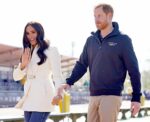
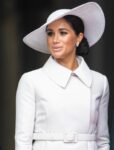
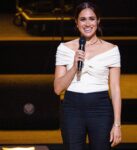
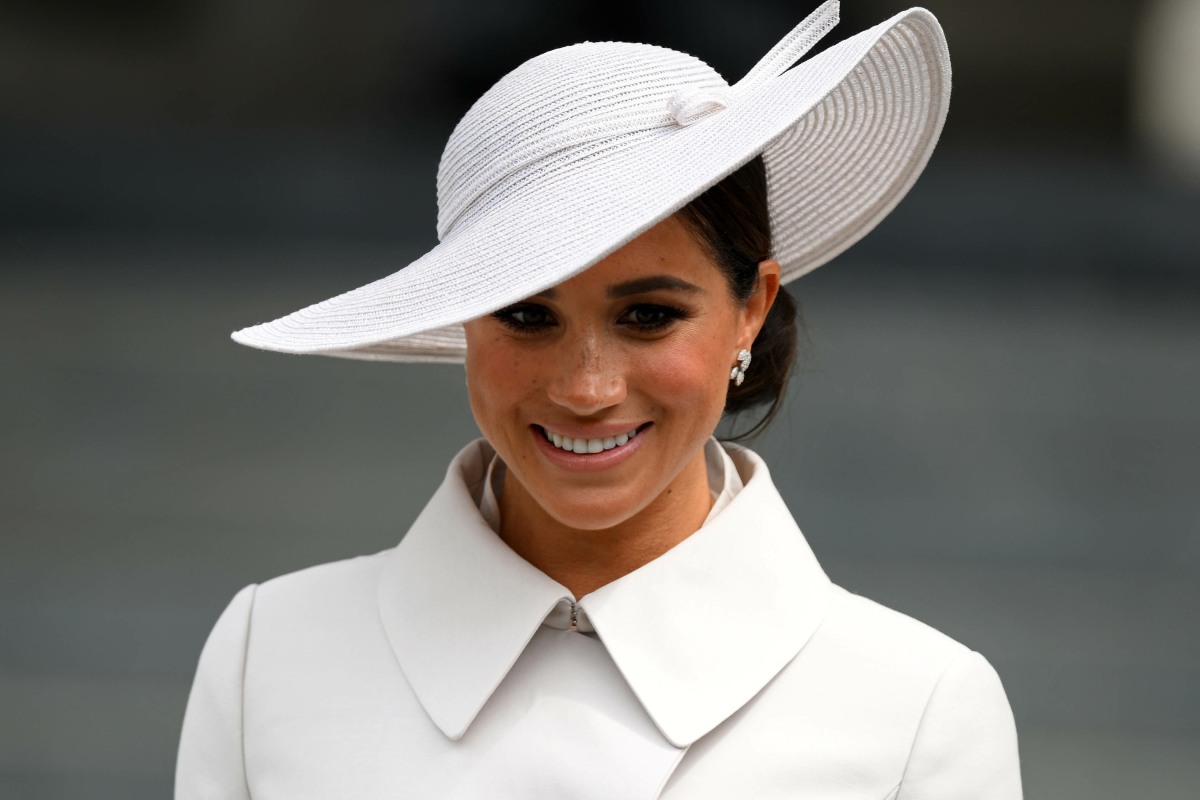
On Tuesday, Vogue published a fascinating piece: a conversation between Meghan, the Duchess of Sussex, and Gloria Steinem. They were being questioned by journalist Jessica Yellin two days after the Supreme Court’s Dobbs decision came down, which overturned Roe v. Wade. I wondered if Meghan would make any kind of public statement, and here it is. Steinem and Meghan are old friends – they met before the 2020 election and cold-called voters. Gloria and Meghan talked about reproductive rights, ratifying the ERA and more – you can read the full piece here (which I would recommend). Meghan also gave Vogue a photo too (see above) – Meghan looks like Doria! Here are some of Meghan’s quotes:

Meghan on trigger laws in a post-Roe world: “This is having a very real impact on women’s bodies and lives starting now. Women are already sharing stories of how their physical safety is being put in danger. Women with resources will travel to get an abortion, those without might attempt to give themselves one at tremendous risk. Some will have to source abortion pills from unregulated pharmacies. Others who are pregnant and find themselves in a medical emergency will be at the mercy of doctors and lawyers to determine if a procedure that is needed to save her life can even be done at all. What does this tell women? It tells us that our physical safety doesn’t matter, and as a result that we don’t matter. But we do. Women matter.”

The Dobbs ruling will disportionately impact Black women: “These issues are systemic, interconnected, and preventable. Women of color and especially Black women are most impacted by these decisions because most of us don’t have the same access to health care, economic opportunity, mental health resources…the list goes on. It’s difficult to overstate what this decision is going to do to these communities.

How marriage equality will also be on the chopping block for this court: “Absolutely. We saw it in plain terms with Justice Thomas’s concurring opinion. This is a blueprint for reversing rights. The ruling is a signal about the future of same-sex marriage, contraception access, and many fundamental rights to privacy. It feels like the tip of the iceberg and is part of why people feel so scared. We have to channel that fear into action. We can start this November in the midterms. I know hearing that feels so repetitive, but we have to vote, every time, from local elections to state and national elections.

On ratifying the ERA: “Being home, seeing what’s happening in our country and feeling energized and motivated, if this is the type of legislation that we need pushed through, then this is a moment that I am absolutely going to show up for. Not just because it’s what we need as women, but it’s what we need as people.

Normalizing conversations about abortion, pregnancy & childbirth: “I think about how fortunate I felt to be able to have both of my children. I know what it feels like to have a connection to what is growing inside of your body. What happens with our bodies is so deeply personal, which can also lead to silence and stigma, even though so many of us deal with personal health crises. I know what miscarrying feels like, which I’ve talked about publicly. The more that we normalize conversation about the things that affect our lives and bodies, the more people are going to understand how necessary it is to have protections in place.

Men’s place in the reproductive rights movement: “Men need to be vocal in this moment and beyond because these are decisions that affect relationships, families, and communities at large. They may target women, but the consequences impact all of us. My husband and I talked about that a lot over the past few days. He’s a feminist too… And his reaction last week was guttural, like mine. I know that for so many women right now, there is a sentiment of despair. But again, we have to band together and not wallow. We have to do the work.

What this moment requires: “This moment requires unity—really listening to people, understanding the Constitution was written at a time when women were second-class citizens. We’re not. Certain things need to change. I think it’s equally about honoring the people who’ve been doing the work long before us, like Gloria. I’m grateful that I’m holding a baton right there next to her and that we will continue to be doing this work together. I always look at things with the undercurrent of hope. If you are someone who truly believes that there can be something better, if you’re someone who sees injustice, you have a choice: You can sit there and be complacent and watch it, or you can say, “What can I do to get us to the other side of this?”

[From Vogue]

Harry’s reaction was “guttural”! That’s good. I wonder what it’s like for Harry, because ever since he moved to America with Meghan, it’s been wall-to-wall insanity in this f–king country. In many ways, he gets to live a life he only dreamed of, with privacy and his family safe and few media intrusions… but on the other side, we have insurrections and mass shootings and one of the most significant setbacks for women in more than a century. It’s insane. As for what Meghan says… she’s an optimist and I think that’s great. I’m not at the point where I’m like “okay, what’s next, let’s get organized, let’s keep working.” I’ve spent days feeling helpless and broken. Meghan would never.

Photos courtesy of Instar, Vogue/Archewell.