Categories
Andrew Dominik Marilyn Monroe

‘Blonde’ director: People shouldn’t care if I exploited Marilyn Monroe, she’s dead

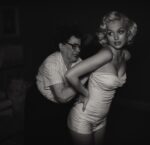
At the end of the day, Andrew Dominik’s Blonde was a terrible movie. It just kept getting worse and worse too, like the first half of the movie isn’t good per se, but it vaguely resembled the actual life of Marilyn Monroe. The second half goes off a cliff, it’s just a purely misogynistic fantasy. While the source material – Joyce Carol Oates’ book of the same name – was pretty dark and sexist towards Marilyn, it wasn’t AS dark as Dominik’s fantasies. Anyway, no one should be proud of any of it. Dominik was recently asked about the American reception to the film while he was in Saudi Arabia and his reaction was… not good.

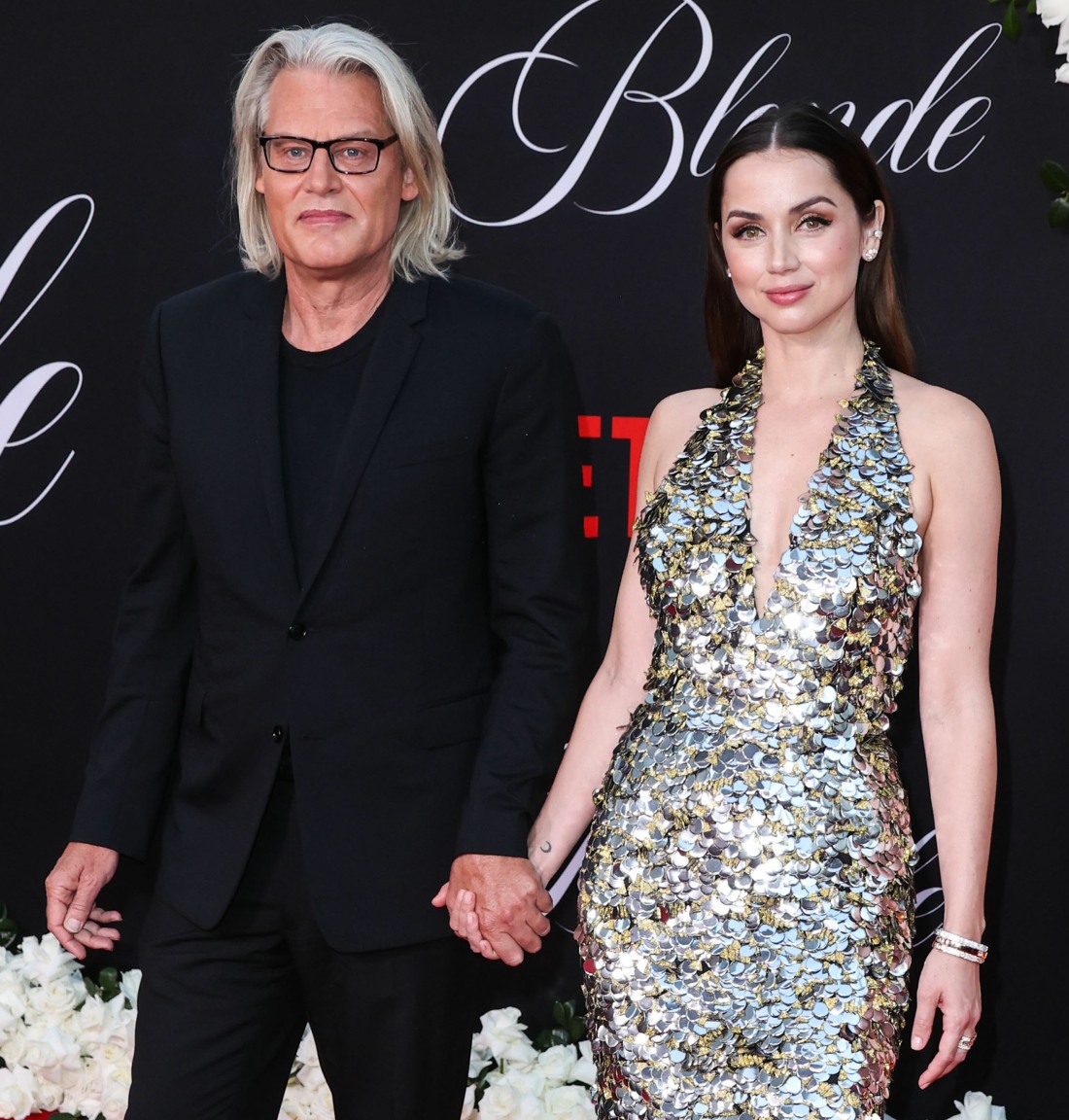
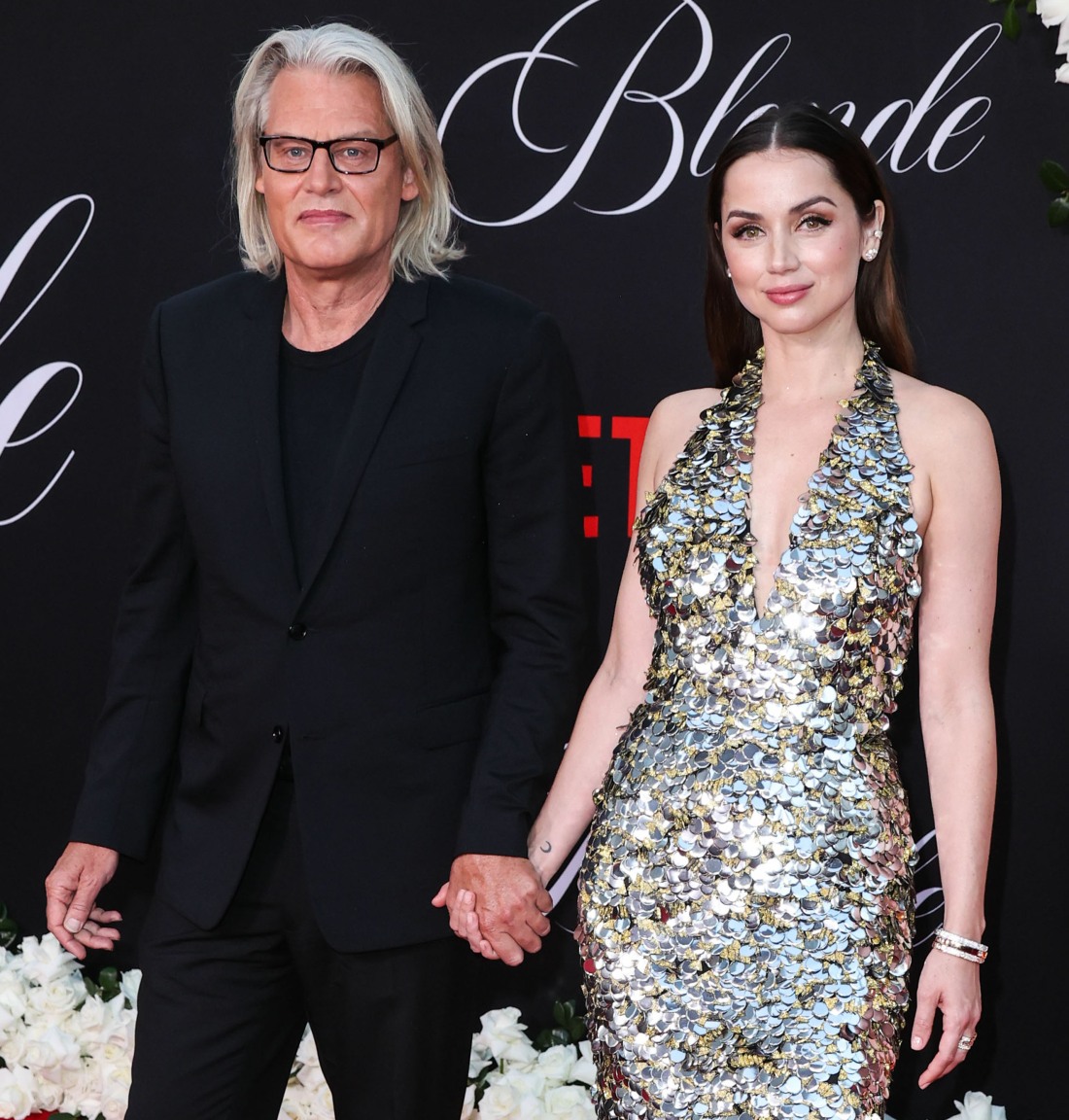
Blonde director Andrew Dominik is reveling in the backlash over his film’s depiction of late screen legend Marilyn Monroe. The Australian filmmaker, 55, said he was “really pleased” that the fictional take on her life “outraged so many people” after premiering on Netflix in September, as he appeared Sunday at the Red Sea International Film Festival in Saudi Arabia, according to The Hollywood Reporter.

He blamed the response on U.S. audiences, stating: “They hated the movie!”

“Now we’re living in a time where it’s important to present women as empowered, and they want to reinvent Marilyn Monroe as an empowered woman. That’s what they want to see. And if you’re not showing them that, it upsets them,” Dominik explained.

“Which is kind of strange, because she’s dead. The movie doesn’t make any difference in one way or another,” he continued. “What they really mean is that the film exploited their memory of her, their image of her, which is fair enough. But that’s the whole idea of the movie. It’s trying to take the iconography of her life and put it into service of something else, it’s trying to take things that you’re familiar with, and turning the meaning inside out. But that’s what they don’t want to see.”

[From People]

If Blonde had been presented as some kind of horror-story reimagining of Marilyn’s life, I think people would have gone into it understanding that “this is a fictional reimagining.” But it was promoted as a biographical film and Ana de Armas wouldn’t shut up about how it respected Marilyn’s life and work when it wasn’t like that at all. I’m sure Marilyn went through some terrible times, obviously, and the fact that she couldn’t carry a pregnancy to term was one of the greatest sadnesses of her life. But the dramatization of that alone in Blonde was offensive and misogynistic. This was about Dominik’s need to exploit and brutalize a famous woman on-screen.
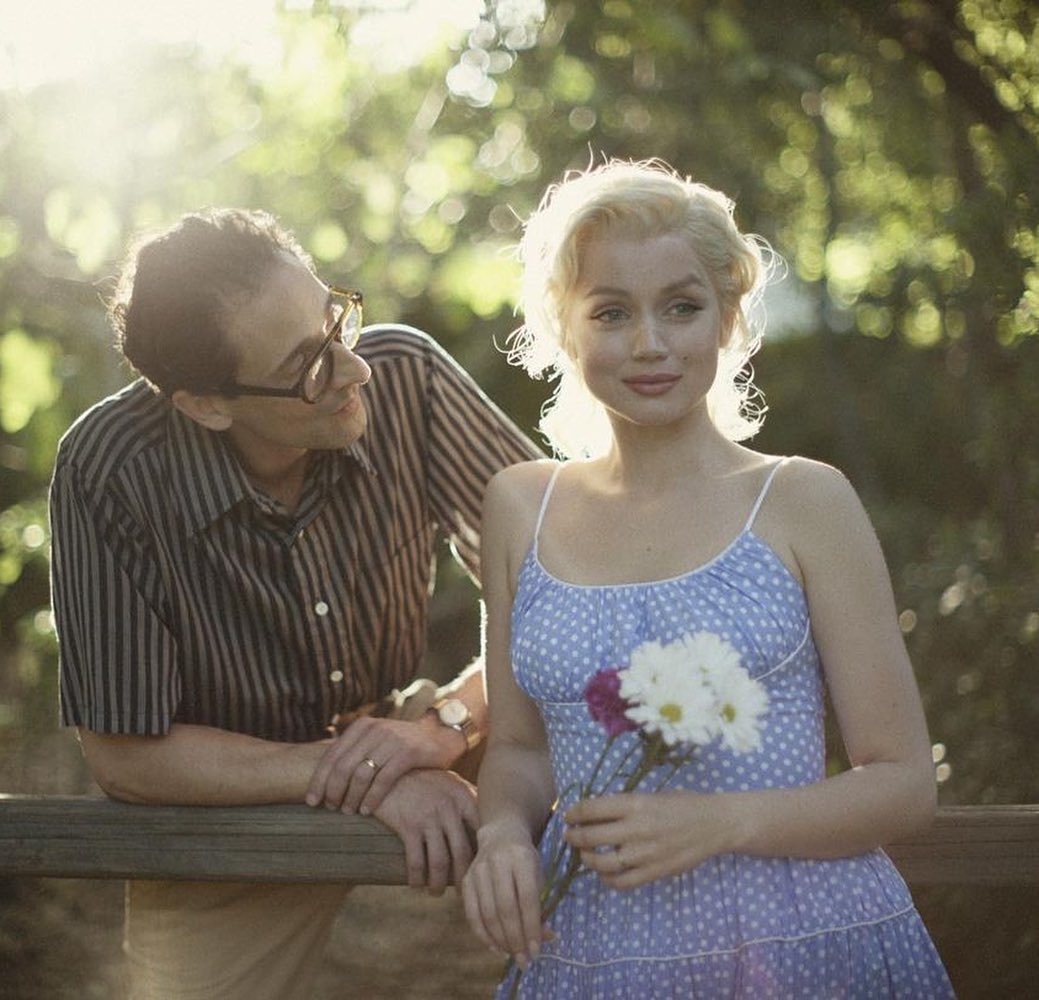
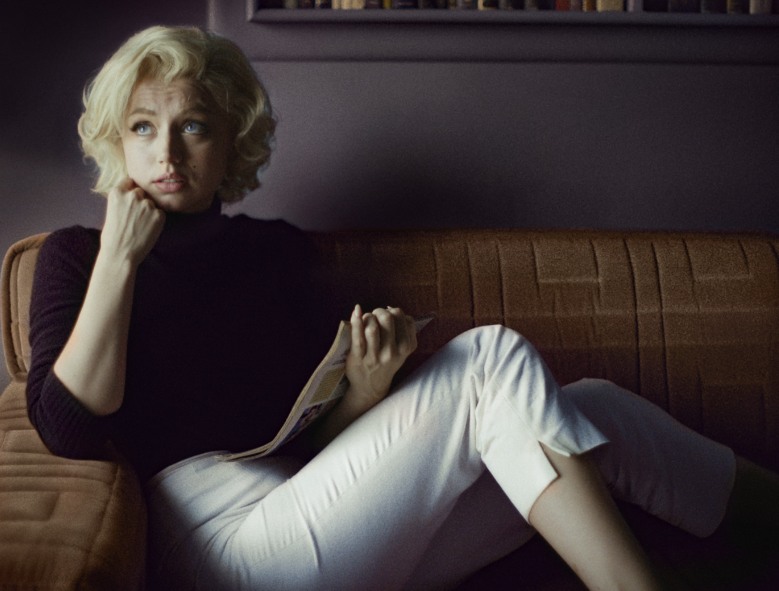
Photos courtesy of Netflix, Cover Images, Avalon Red.

Categories
Abortion Rights Ana de Armas Andrew Dominik Marilyn Monroe

Planned Parenthood: ‘Blonde’ contributes to ‘anti-abortion propaganda’

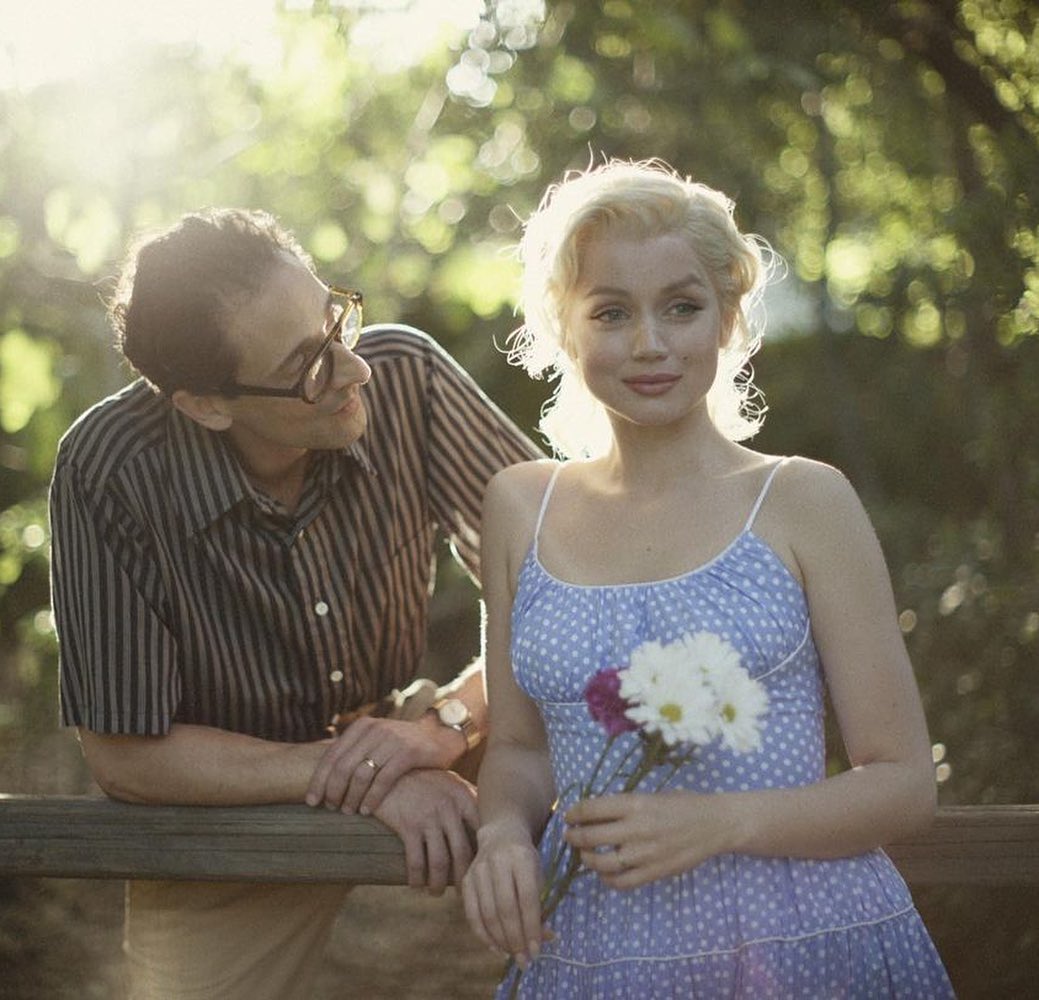
When we recorded this week’s Gossip with Celebitchy podcast, I had only watched half of Blonde, and I talked on the pod about how the movie wasn’t as bad as I thought it was going to be. At that point, I had watched up until Marilyn Monroe met Arthur Miller. The film truly takes horrendous turn after horrendous turn after that. I mean, it was trashy before the Arthur Miller stuff, but you could still feel the thread of Joyce Carol Oates’s book in the first half, even though director/screenwriter Andrew Dominik made a choice to edit out some of the better and more explanatory parts of Oates’s book. Like, Marilyn’s whole first marriage. That’s when Marilyn first begins to understand that it might be difficult for her to get pregnant and carry to term (she had severe endometriosis and very painful periods). Instead of using the truth, Dominik made the choice of forcing his MM character to repeatedly get pregnant and then be forced into having abortions. It was truly insane and there’s no historical record of any of that. The abortion scenes – especially the second one – were beyond f–ked up. So was the talking baby scene, where Marilyn and Arthur Miller are expecting and the fetus lays a guilt trip on her for having an abortion years earlier. Well, Blonde is so bad and so damaging to abortion rights that Planned Parenthood has now issued a statement:

Andrew Dominik’s Blonde, the Marilyn Monroe biopic starring Ana de Armas as the screen legend, has been sparking strong reactions since it premiered at the Venice Film Festival on Sept. 8 and made its Netflix debut Sept. 28. Film critics have called the movie, which is based on Joyce Carol Oates’ 2000 novel of the same title, cruel and exploitative for its portrayal of Monroe’s life.

One thread of that criticism has been the way Blonde deals with abortion. The film depicts Monroe as having had two illegal abortions, which were imposed upon her against her will and which tormented her. Via photoreal CGI, the film portrays Monroe’s fetuses speaking to her. “You won’t hurt me this time, will you?” a fetus asks Monroe.

Arriving three months after the Supreme Court overturned Roe v. Wade, Blonde comes as many in the entertainment industry have been considering their own roles in the way abortion is understood by the public. As far as abortion rights activists are concerned, Blonde is a step in the wrong direction.

“As film and TV shapes many people’s understanding of sexual and reproductive health, it’s critical these depictions accurately portray women’s real decisions and experiences,” Caren Spruch, Planned Parenthood Federation of America’s national director of arts and entertainment engagement, tells The Hollywood Reporter. “While abortion is safe, essential health care, anti-abortion zealots have long contributed to abortion stigma by using medically inaccurate descriptions of fetuses and pregnancy. Andrew Dominik’s new film, Blonde, bolsters their message with a CGI-talking fetus, depicted to look like a fully formed baby.”

Spruch went on to say, “Planned Parenthood respects artistic license and freedom. However, false images only serve to reinforce misinformation and perpetuate stigma around sexual and reproductive health care. Every pregnancy outcome — especially abortion — should be portrayed sensitively, authentically and accurately in the media. We still have much work to do to ensure that everyone who has an abortion can see themselves onscreen. It is a shame that the creators of Blonde chose to contribute to anti-abortion propaganda and stigmatize people’s health care decisions instead.”

[From THR]

Yep, all of this, especially “It is a shame that the creators of Blonde chose to contribute to anti-abortion propaganda and stigmatize people’s health care decisions instead.” The second abortion isn’t even portrayed as Marilyn’s decision. Men literally come for her in the night and take her away for a bloody abortion. AND NONE OF IT IS TRUE. It would be one thing if this was a biographical film which stuck to historical accuracy and it was a fact that, say, Marilyn had an abortion and regretted it. There is literally no evidence that any of the abortion sh-t happened. She did miscarry when she was with Arthur Miller and that miscarriage left her devastated and contributed to her drug use. That’s the historical reality – that Marilyn desperately wanted a child and she could never carry a pregnancy to term. And Blonde is 100% anti-abortion propaganda.

Photos courtesy of Avalon Red, Cover Images, Netflix.