Categories
gabrielle union Money

Gabrielle Union calls her first big purchase, a Mazda Miata, ‘so stupid’


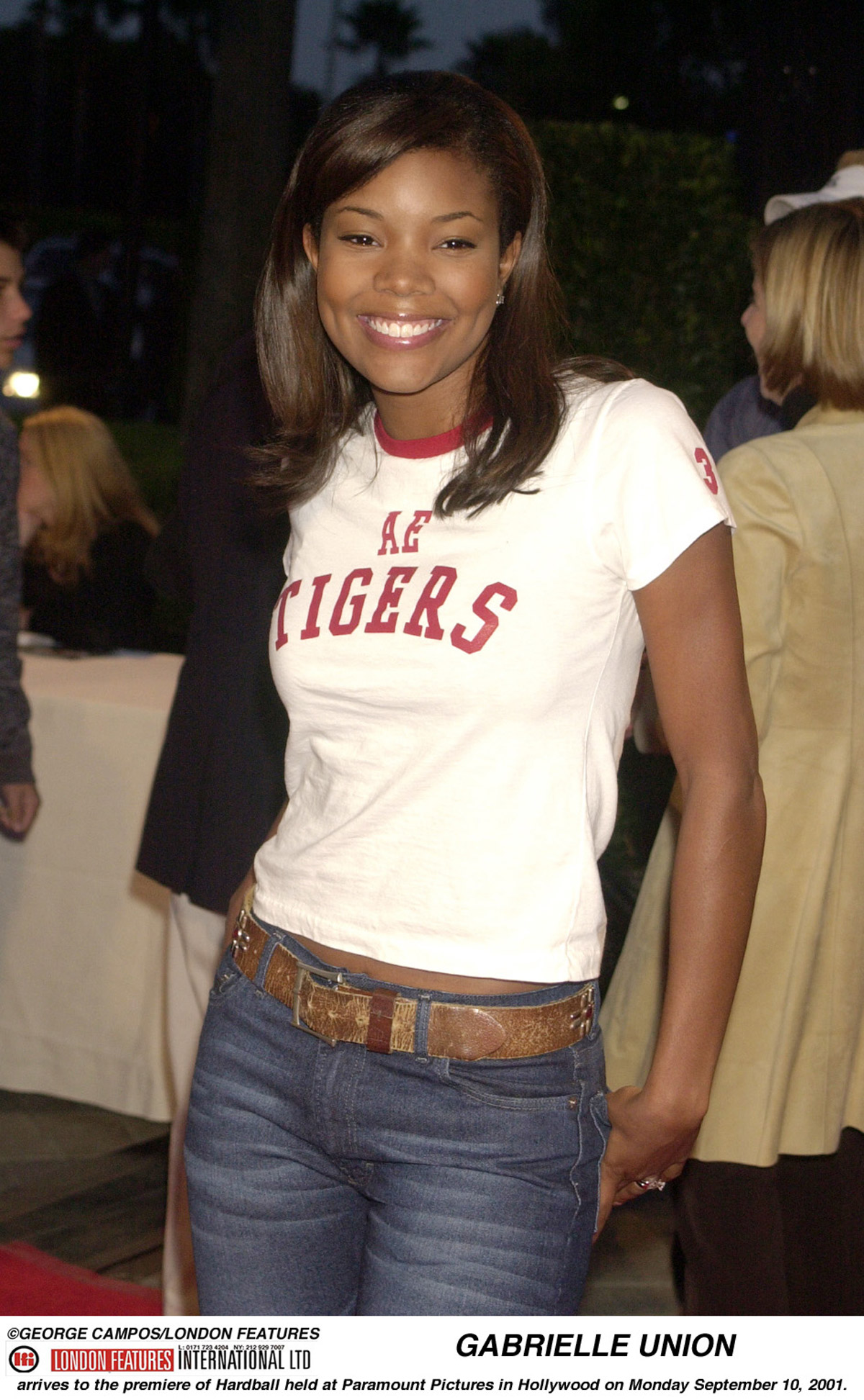
Bring It On turns 25 in August. This makes me feel very old. It’s probably been 23 years since I’ve watched it. When I think about the iconic ”I’m sexy, I’m cute” cheer, I’m pretty sure the entire movie doesn’t hold up, but I’m almost curious enough to do a rewatch and see. Why am I bringing up Bring It On? Because one of its stars, Gabrielle Union, recently participated in a panel for the American Black Film Festival. Whenever Gabrielle or Kirsten Dunst pop up on my feed, I always think about that movie! During the panel, Gabrielle talked about her first big purchase after she “made it” in Hollywood thanks to movies like Bring It On, She’s All That, 10 Things I Hate About You, and the TV show Seventh Heaven. Gabrielle’s first big purchase was a Mazda Miata, and now, in hindsight, she regrets it.

Gabrielle Union opened up about how she spent her first big paycheck. During a panel discussion at the American Black Film Festival in Miami on June 12, the Bring It On alum, 52, revealed her first major purchase.

“So stupid. I went on the Mazda lot. I’m like, ‘Oh, I’ve made it when I have a Mazda.’ My dad’s like, ‘Don’t buy a brand new car. It depreciates the second you drive it off the lot,’ ” recalled Union, whose film career took off in 1999 and 2000 amid the success of 10 Things I Hate About You, She’s All That, Love & Basketball and Bring It On.

“I walked into Mazda and I bought myself a black on black Mazda Miata with leather seats,” she continued. “Lemme tell you about leather seats in Los Angeles. Do you know I scorched myself every time I got out? Yeah, that was my first purchase. And it depreciated the second I drove it off the lot!”

Union shared the memory during her onstage discussion — titled “Sisterhood & Savings: A Conversation with Gabrielle Union” — moderated by Kelley L. Carter.

“I was able to chat with my sis … about money and more and ran into old friends and met some new ones,” Carter wrote on Instagram after the American Black Film Festival event.

[From People]

Hey, no judgment here! We’ve all been there. Who hasn’t enthusiastically bought something (big or small) simply because they were so excited that they could, only to regret it later? I’ve absolutely done this before, then stayed up all night(s) regretting it, lol. I think it may be human nature. Life is a learning curve, and big purchases can be a delicate balance between “want,” “need,” and “what is the practical balance between these two things?” Getting black leather seats in a hot climate probably wasn’t the best move, but she could have gotten one of those car sunshade things. Figuring out that there is usually a workaround has been a basic tenant of my life philosophy. (Thanks, therapy!) Don’t live life with regrets, Gabrielle! You earned that Miata and the right to enjoy it.

Gabrielle’s story actually made me laugh because my younger son, who is only seven, keeps saying that he wants a Mazda for his first car because they have, and I quote, ”The best color red on cars!” He’s also the same child who had to plant the peas at school. Y’all told me that he’d appreciate them because they grow so fast, and you were spot on. He finally brought his little planter home last week and is obsessed with it. I have no idea what happens when they need to be transferred to a bigger area, but hey, I’ll figure it out.

Embed from Getty Images

Embed from Getty Images

Photos credit: George Campos/Avalon, Getty, Faye’s Vision/Cover Images, IMAGO/Faye Sadou/Avalon

Categories
Amanda Seyfried Business Money

Amanda Seyfried says Paramount owes her money for Mean Girls merch


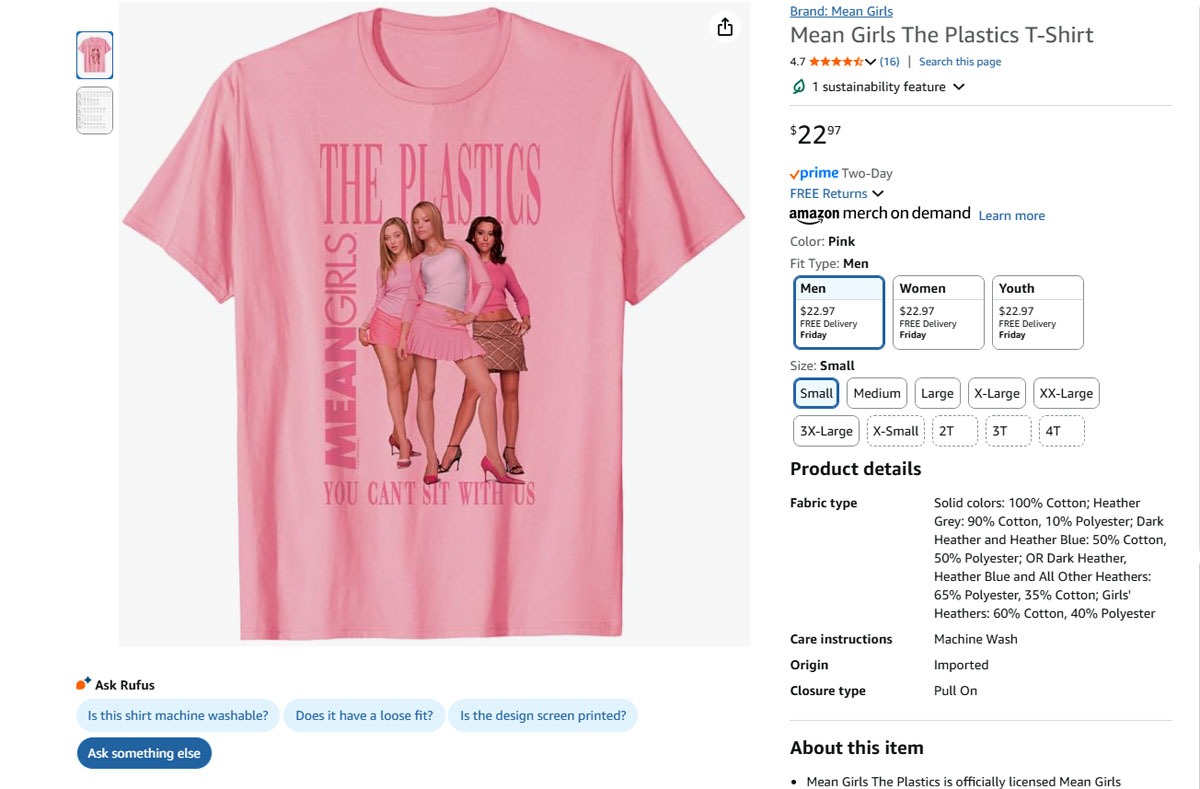
Back in December, we participated in the giving tree program through our elementary school. Our family’s recipient was a 14-year-old girl who wanted Chuck Taylors, jeans, and had a list of “vintage” pop culture-related t-shirts, all with artists’ or actors’ faces on them. I was particularly intrigued because every shirt was from when I was in high school or college, like Britney Spears, Eminem, and Clueless. I easily found the first two items on the list, but got stuck trying to find an early Eninem shirt. (It was #1 on her list.) After striking out while walking around the mall, I discovered a “nostalgia store” tucked away that was just t-shirts and posters from musicians/bands, TV/movies, and anime. They had merch for a ton of familiar properties, including one of my favorite movies, Mean Girls.

When Mean Girls came out in 2004, it launched so many actor’s careers. Lindsay Lohan and Lacey Chabert were already well known, but it really put Rachel McAdams, Amanda Seyfried, and Lizzy Caplan on the map. I’d argue that Chabert owes her Hallmark career to the fame she gained from Mean Girls. Amanda Seyfried just did Actors on Actors with Adam Brody. During one of their exchanges, she revealed that although it’s super fun to see her face on people’s t-shirts, she doesn’t get any royalty money from Paramount for it.

It looks like Amanda Seyfried may add Paramount Pictures to her burn book. The Mean Girls alum called out the studio for allegedly using her “likeness” on merchandise for the 2004 teen classic without providing her proper compensation.

“I really love seeing my face on people’s T shirts,” Amanda told Adam Brody during a conversation for Variety’s Actors on Actors series published June 9. “I mean, I’m a little resentful, because Paramount still owes me some money.”

But while the Mamma Mia star noted that “every store sells Mean Girls T-shirts” with photographs of her and costars Lindsay Lohan, Rachel McAdams and Lacey Chabert’s faces on them, she also acknowledged that she wasn’t exactly sure how she ended up without royalties for the comedy movie’s merch.

As she put it, “I don’t know if it was because I was 17 and dumb or what.”

Whatever the reason, Amanda insisted it hasn’t made the experience of seeing fans wear apparel with her face on it any less grool.

“I love it,” the actress said. “Like even the girl at TSA [said], ‘Mean Girls, my favorite movie.’ And I’m like, ‘Wait!’ I was 17. I had nothing to do with it.”

[From E! News Online]

This sounds like a classic case of a Hollywood studio taking advantage of a young actor. I tried to find out whether or not the other main actresses receive royalties for clothing and other merch. I couldn’t find anything concrete, but from Amanda’s interview, it sounds like none of them do. If true, that’s wild! My best guess is that back in 2004, no one had any idea that Mean Girls was going to be such a cult classic that kids who weren’t even born yet would be wearing shirts promoting it. That said, Amanda, Lindsay, Lacey, and Rachel all have a lot of star power now. I wonder if, moving forward, they could negotiate something on the back end to get the money they deserve.

Embed from Getty Images

photos via Amazon and credit: mpi099/MediaPunch/INSTARimages, Franck Castel/Abaca Press/INSTARimages, Getty

Categories
Business Lawsuits Money

Multi-state investigation shows Kroger routinely overcharging


Last August, Senators Elizabeth Warren and Bob Casey launched an investigation into allegations of surge pricing at Kroger. Kroger uses digital price tags in approximately 500 of their US stores. Their reasoning was to “save labor costs” which means they didn’t want to pay an employee to do it. The controversy was that Kroger could potentially use the digital price tags to adjust the cost of certain items based on factors like time of day, demand, weather, etc. I know; it’s very surprising that a big company would try to take advantage of its customers.

Last year, Walmart was hit with a class action suit when a man discovered stores in at least six states were charging 10-15% more than the sticker price on the shelf. Someone at Kroger must have heard about that and went, “Hold my beer” because the company is now being investigated by several states for checkout prices as high as 60% more than the price on the shelf.

Derek and Allison Hadfield became more and more fed up whenever they shopped for their family of four at their local Kroger grocery in Belpre, Ohio, a town of about 6,600 across the Ohio River from West Virginia. When they tried to save money by buying items on sale, they said, many of the discounts vanished when Kroger rang up their carts at checkout. Personal pizzas posted as on sale for $1 a piece rang up for $1.25 each. An 8oz jar of minced garlic listed at the low price of $2.49 cost $3.99 at checkout – a 60% jump.

“Almost every single time I go in the store, the listed price of an item is NOT what rings up at the register,” Allison Hadfield, who home-schools the couple’s two children, wrote in December in a complaint to Ohio’s attorney general. “I want Kroger to stop screwing over people especially when they are the only store in town!”

The family’s experiences are not an isolated problem involving a single store, an investigation of the supermarket giant’s pricing practices by the Guardian US, Consumer Reports and the Food & Environment Reporting Network has found. Kroger stores in multiple states, the investigation has revealed, show a pattern of overcharging customers by frequently listing expired sale prices on the shelves and then ringing up the regular prices at checkout – a practice that adds additional burdens on to American families already struggling under the weight of the soaring costs for eggs, meat and other groceries.

The investigation drew on “secret shopper” tests in more than a dozen states by the Guardian and its partners as well as a separate series of tests by union grocery workers in Colorado. The investigation also drew on internal corporate documents, court records, complaints to government authorities and interviews with customers, workers and union officials.

The shopping tests by the media partners found expired tags that resulted in overcharges in 14 of the 26 stores reviewed in Washington DC and 14 states, including Arizona, Michigan, Oregon, Virginia and Ohio. The tests in March, April and May identified more than 150 items with expired sale tags for which Kroger was charging more than the sale price – producing average overcharges of about $1.70 per item, an 18% markup over the discount price.

On average, the expired discount tags the tests analyzed were about two weeks out of date, suggesting that thousands of customers ended up paying more for what they likely thought were discounted items.

At times, Kroger’s sale tags don’t clearly disclose that a discount offer has ended. In some instances expiration dates are listed in small print and in others they are noted in a corporate code that is not clear to people who are not Kroger employees. Some customers catch the problem at checkout or when they go over their receipts, but workers and union officials said many busy shoppers don’t notice the overcharges.

“It really makes me feel bad because some of them are on fixed incomes and they’re older. They’re not going to pay attention,” said Joy Alexander, who works as a scan coordinator at a Kroger-owned King Soopers store in suburban Denver. “They think that when they took it off the shelf, it was $2.50. They don’t know that they’re paying $3.75 for that one item.”

Kroger, the nation’s second largest grocery retailer behind Walmart, is headquartered in Cincinnati and operates more than 2,700 stores in 35 states under a variety of names, including King Soopers, Harris Teeter, Ralphs, Fry’s Food and Drug, and others.

In a statement, Kroger said the price tag errors identified by the news organizations represented “a few dozen examples across several years out of billions of customer transactions annually”.

“While any error is unacceptable, the characterization of widespread pricing concerns is patently false,” the statement said.

Kroger did not provide detailed answers to most of the media partners’ questions about its pricing practices. The statement said the company is “committed to affordable and accurate pricing” and that it regularly conducts price checks that review “millions of items weekly to ensure our shelf prices are accurate”.

With food costs soaring from the grocery aisle to the drive-through window, Americans are spending a greater portion of their income to eat than they have in decades. US food prices climbed nearly 24% from 2020 to 2024, leaving many Americans feeling angry, anxious or dejected about their trips to the supermarket.

[From The Guardian]

Shame on Kroger for doing this. It’s especially heinous when they’re the only store in town and people don’t have any other options. Even if they aren’t the only option, Kroger probably figures they can get away with doing this because people aren’t paying attention. It’s only after they look at the receipt that they may notice something is off. It’s both appalling and ballsy to do this during a time when the cost of groceries is a huge issue. Beyond their flagship stores, Kroger owns Ralph’s, Harris Teeter, Dillion’s, and more. Even if you’re not shopping at one of their stores, here’s your reminder to always check your receipts!

The full article is much longer than what I excerpted, but it’s really worth the read. The states that are currently investigating or taking action against Kroger are Ohio, Colorado, California, Illinois, and Michigan. They recently settled a lawsuit with the state of Utah, but have had complaints made against them in other states. For example, someone in Arlington, Texas reported that price tags at their local Kroger were five years out of date. Companies shouldn’t be allowed to do this. At what point will there be an actual reckoning?

Categories
Crime Money

Chicagoans helped themselves to $300k after bags of money fell out of a Brinks Truck


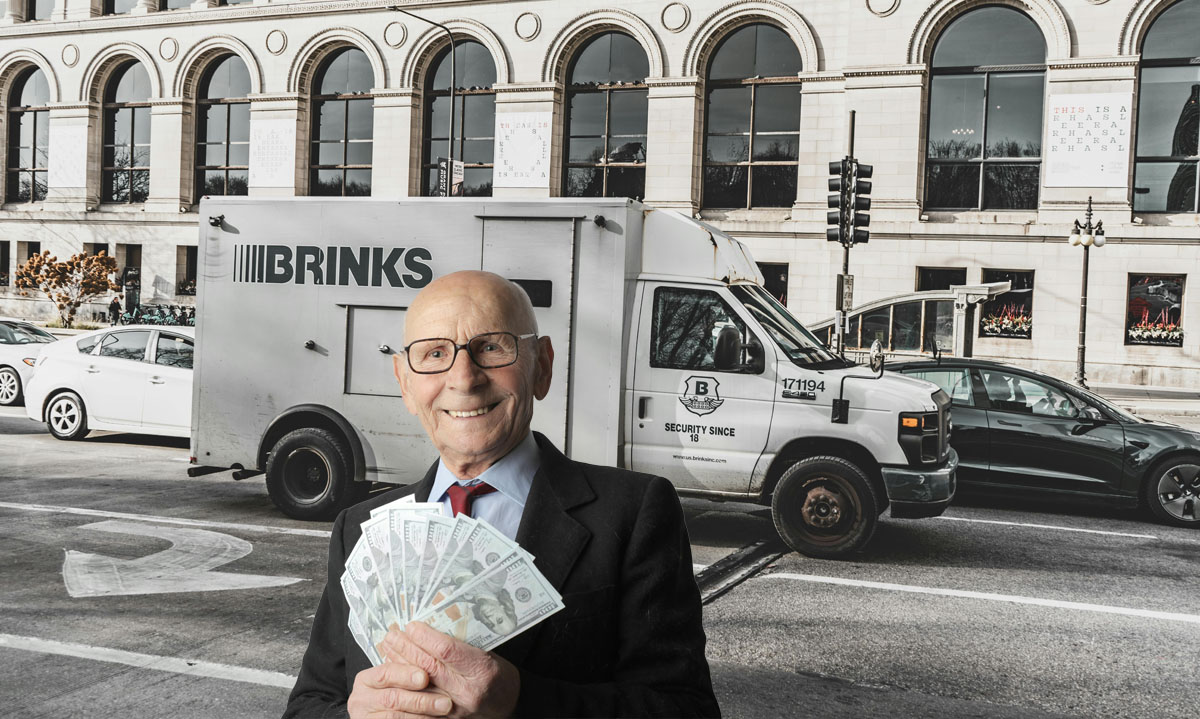
The Chicago-born Brinks company has been in the business of safely transporting valuables, assets, and cash for 166 years, be it via wagon or armored truck. Their website proudly boasts: “One of the oldest commercial brands in the world, Brink’s has been synonymous with security and trust since being founded in 1859 and is today known around the world.” So guess who just filed a complaint with local police for $300,000 in cash being stolen after falling off their own truck, and on home turf, no less? You guessed it! Brinks alleges they have no idea how the truck’s back door popped open, but say that once the driver realized the snafu and started retracing the route, there were “between 50 and 100 people” helping themselves to the bounty. I imagine the spirits of the 1860s-era Brinks wagon drivers are bowing their heads in spectral shame.

Bags of cash fell out of a Brinks Home Security Company truck last week in a Chicago suburb, resulting in approximately $300,000 being stolen, a complaint filed to police said.

The back door of the truck opened by “unknown means” in Oak Park, leading to three bags of U.S. currency falling out, according to Brinks’ complaint.

The incident happened while the driver was moving southbound on Austin Boulevard on Tuesday, the complaint read.

Brinks noted that upon returning to the area, between 50 and 100 people were seen taking money and fleeing.

The total estimated amount lost was approximately $300,000, according to the security company.

A representative from the Village of Oak Park told NBC Chicago no one was in custody as of Friday.

[From NBC Chicago]

If I were a Brinks client, I would be steaming mad to lose my money this way! Especially if they didn’t have an explanation more substantial than the back door opened by “unknown means.” Is that just the language they go with to file the complaint right away? The wording is so cagey! I started wondering if this was an Ocean’s 11-esque heist situation, because it seemed so unlikely that a back door would just pop open accidentally. But People Mag has helpfully compiled some recent history that proves the back door hiccup happens more often than I thought:

Back in November 2021, the door of an armored truck in California apparently burst open on the Interstate 5 freeway near San Diego, prompting drivers to stop their cars to pick up the cash.

“One of the doors popped open and bags of cash fell out,” a California Highway Patrol official told the San Diego Tribune at the time. “One of the bags broke apart, and there was cash all over the lanes.”

The truck was apparently on the way to a Federal Deposit Insurance Corp. office, with the loose cash appearing to be primarily singles and $20 bills.

A CHP spokesperson encouraged those who grabbed any of the cash to turn it in at the CHP office in Vista, California.

Before that, in May 2018, Indiana State Police revealed that a Brinks armored truck’s door opened, and packages of money were released near the Sam Jones Expressway. Authorities said a “substantial amount” of money fell out of the truck.

[From People]

Who’s driving these faulty trucks, Scooby Doo and Shaggy?! And people stopped their cars to pick up cash on the freeway?! In California, the fifth largest economy in the world?!? That’s… not gonna get me to rush behind the wheel anytime soon. Last week when we covered Chase Bank suing customers who stole money via the “infinite money glitch,” I outed myself as a goodie-goodie when I relayed a time that I turned in lost cash I’d found on the ground. So I’m fairly sure I wouldn’t be among the suburban Chicagoans who stopped to grab a handful of loot; and I’m dead certain I would never stop my car on the frickin’ freeway to do such a thing! But to give some credit (finance pun!) to these folks, I’d think there’s a greater chance of success in picking up “free” cash from a satchel lying on the road, as opposed to withdrawing “free” funds… from your own bank account. In terms of getting away with it. Not that I’m condoning theft!

Embed from Getty Images

Embed from Getty Images

photos credit: Edgar Colomba, Andrea Piacquadio and Tima Miroshnichenko on Pexels and Getty

Categories
Money politics

Chinese suppliers are revealing production costs: Birkins cost $1,400 including labor


As Trump ratchets up his asinine tariff war with China, Chinese companies are hitting back. Chinese manufacturers and influencers are posting videos to TikTok revealing where products are produced and sourced and just how much they cost to make. Luxury brands like Gucci, Louis Vuitton and Hermes as well as brands including Stanley, Lululemon, Ugg and Nike are of course produced at just a fraction of the cost they’re sold to us. Some of the manufacturers are now selling unbranded copies direct to consumers. They’re said to be the high quality we expect, because these are the factories that make the products. Although it’s difficult to confirm, reports claim the Chinese government is no longer cracking down on counterfeit goods. The product that’s getting the most press is the Hermes Birkin. Sen Bags, which manufactures the Birkins, says the $38,000 bags cost about $1,400 to make including labor. They’re also offering customers the option to customize and buy them direct. (Their TikTok has been shut down, but you can see that video below and on TikTok here.) NDTV has the most comprehensive reporting I’ve seen on this so I’m going to quote them here. You can read more at the source:

China is retaliating against US President Donald Trump’s tariffs by promoting direct sales of luxury goods from Chinese manufacturers to consumers at significantly lower prices. The products range from handbags to apparel and cosmetics, with prices notably lower than retail. On X, many American TikTok users shared videos from Chinese suppliers showcasing high-quality products made for luxury brands like Birkin and Louis Vuitton. These suppliers offer direct sales to consumers at a fraction of the retail price, often without the brand logos. In these videos, Chinese suppliers emphasise high-quality materials and skilled labour to manufacture the products.

A supplier of Birkin bags revealed that the production cost of a bag selling for $34,000 is around $1,400. The supplier claimed that the bag makers receive a minimal profit margin, while the luxury brand retains the majority of the profit due to its logo and branding. “More than 90 per cent of the price is for the logo, but if you do not care about the logo and want the same quality, same material, you can just buy from us,” he says in the video.

One user shared one such video on X wrote, “China TikTok is so messy rn because now that the Chinese government has legalised Counterfeit products of all American goods because of the tariffs, they’re now exposing a lot of Big brands and how their stuff is manufactured and encourages you to buy them in-house China for cheaper.”

Another TikTok user shared a video of a Chinese manufacturer selling Birkenstock footwear and wrote, “My fyp is suddenly filled with Chinese manufacturers trying to sell directly to Americans. The gag is that even with paying the import tariff and shipping, it’s still way cheaper than buying the same products through American corporations. We are not winning this trade war lmao.”

“China is definitely having their moment… The tea is steaming hot,” a user wrote, sharing a video of a Chinese supplier offering replicas of Fila, Under Armour, and Lululemon products at significantly lower prices. The supplier claimed Lululemon items, typically $100, can now be bought for $5-6.

[From NDTV]

Hermes is one of the most exclusive luxury brand in the world. The damage this will bring to their brand, and to countless other brands, is incalculable. I’m not going to link it here, but you check the comments to the Twitter videos below to find where to buy direct. The site I found didn’t have the website infrastructure set up and you just have to email them. These chinese manufacturers could end up making much more money selling direct even through email and WhatsApp than by continuing to work with these brands. And of course the products will be so much cheaper despite the high tariffs. It’s doubtful that most of these brands will have the time to find other manufacturers, and they may not want to take that step yet.

CNN had interviews last week with women who run small businesses that depend on Chinese goods. They say the tariffs are crippling and that they can’t make contingency moves because the situation could change at any moment. It’s unclear how this is going to play out, as we saw with the removal of tariffs on electronics. Even if the tariffs are lifted tomorrow, the damage to US Chinese relations, and to so many businesses, will last for years if not decades. China is playing 3d chess while Trump is laying his random cards on the table and claiming it’s a full house.

The real cost of #Birkin bag and what you are really paying for.????‍♂️ pic.twitter.com/WQTHFL2jKD

— Humanbydesign (@Humanbydesign3) April 13, 2025

Like their just Airing it out out there now they don’t give af anymore ???? pic.twitter.com/QAPKudv64y

— Klair-O-Spinach ( Saint Era) (@ClairoSpinach) April 12, 2025

Yhooo Yhoo! ????????????????????

Your “expensive” Stanley cups and bags are made in China and sold very cheap. Xi Jinping is fighting everyone here! Wow.

Don’t start a war with China. pic.twitter.com/byMzhzQqOT

— Evaluator. (@_AfricanSoil) April 13, 2025

Categories
elijah wood Lord of The Rings Money Movies

Elijah Wood’s LOTR salary wasn’t ‘where you could rest easy for the rest of your life’


The Lord of the Rings trilogy (and The Hobbit) is, IMO, probably the greatest epic fantasy story ever written. I read (and re-read) all four of those books while I was growing up. We even named my family dog Indiana after one of the characters. I think the Peter Jackson movies are incredible. I know book fans have quibbles, but I think they’re wonderful. My family and I rewatch them every year between Christmas and New Year’s. If we don’t do the extended cuts, it’s a three-day affair. If we go extended, it’s a six-day commitment, lol. But, it’s still my six favorite movie-watching days of the entire year. (Controversial opinion: I actually don’t really like the Fellowship extended cut, but absolutely love the other two. I know someone else out there is with me!)

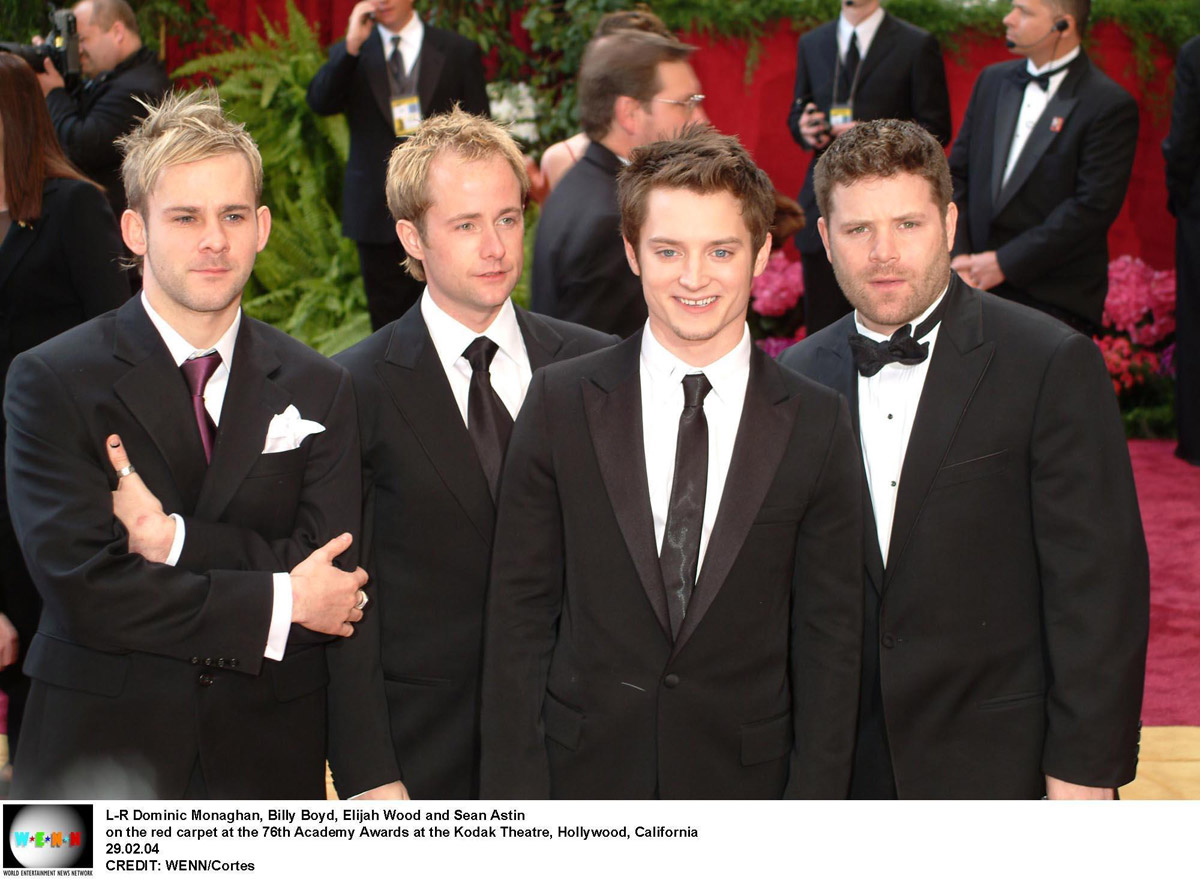
Anyway, I think all LOTR fans can agree that the cast and crew of those movies truly loved and respected the source material. They knew what they were doing was a big deal, and that it was going to change their lives. The nine actors in the Fellowship even got commemorative tattoos. It’s been shocking to learn just how little the principal actors were paid for their starring roles. Last year, Cate Blanchett revealed that no one got paid much for their roles. Recently, Elijah Wood was asked about his LOTR paycheck. He confirmed that they didn’t make a lot for their acting, explaining that the real prize was the friends they made along the way.

Elijah Wood is the latest cast member to be asked about the surprisingly low salaries the cast of “The Lord of the Rings” earned as part of Peter Jackson’s landmark trilogy, which went on to gross nearly $3 billion at the worldwide box office. Cate Blanchett, who starred as Galadriel in the franchise, went viral last August for saying on “Watch What Happens Live” that “no one got paid anything to do that movie.” She joked: “I basically got free sandwiches and I got to keep my [elf] ears” as pay.

Speaking to Business Insider at the 2025 Texas Film Awards, Wood confirmed his “Rings” salary was not a big one, despite leading the trilogy as Frodo. However, the actor doesn’t mind at all.

“Because we weren’t making one movie and then renegotiating a contract for the next, it wasn’t the sort of lucrative scenario that you could sort of rest easy for the rest of your life,” Wood explained, referencing how Jackson and New Line Cinema shot all three “Rings” movie back-to-back. As such, there was never time for one of the films to open before the next started filming, thus no opportunity for contract re-negotiations based on the franchise’s box office success.

Wood said New Line Cinema made a “a real gamble” shooting all three movies at once, and the studio was able to take such a risk by offering “not massive salaries” to the actors. Wood added: “The benefit of that was that we were also signing up for something that was going to be a part of our lives forever.”

In a 2019 interview on “The Howard Stern Show,” Orlando Bloom, who played Legolas, said he was paid just $175,000 for all three movies. Sean Astin, who shared many scenes with Wood as Samwise Gamgee, later said he got about $250,000 for the films. Business Insider asked Wood if he made the same as Astin, to which the actor said that figure was not accurate and “it doesn’t matter” because the value “Rings” had his on his career and life is priceless.

Regarding Blanchett’s sandwich comment, Wood called it “hilarious” and said “statements like that are not made with any kind of ire. It’s such an honor to have been a part of those films and they represent some of the best experiences of my life.”

[From Variety]

I’ve always wondered why Elijah, Sean Astin, Dominic Monaghan, and Billy Boyd were so into doing the convention circuit, but now I know why. Even adjusted for inflation, that is absolutely f-cking crazy. Those actors left everything to live on set. They worked grueling hours for 14 months with the anticipation of mega-success. There is no way that executives didn’t account for those movies being a financial success. Sure, it was the role of a lifetime for every single one of them, but 90% of that cast had a career beforehand and was going to have one afterward.

I was also curious about residuals, so I looked it up. Apparently, no one has gotten any substantial amount in residuals, either. That is wild! Everyone knew what the stakes were; I can’t believe that no one’s agent negotiated salaries to make sure they reaped the financial benefits for decades to come. Yes, at the time, making three movies back-to-back was a “real gamble,” but why was there no contingency-based pay-off? They’re the gift that keeps on giving. Justice for Frodo!

Photos credit: Xavier Collin/Image Press Agency/Avalon, Yamak Perea/EyePix/INSTARimages, Cortes/Wenn/Avalon

Categories
Jake Bongiovi Millie Bobby Brown Money shopping

Millie Bobby Brown still shops at Target and carefully considers large purchases


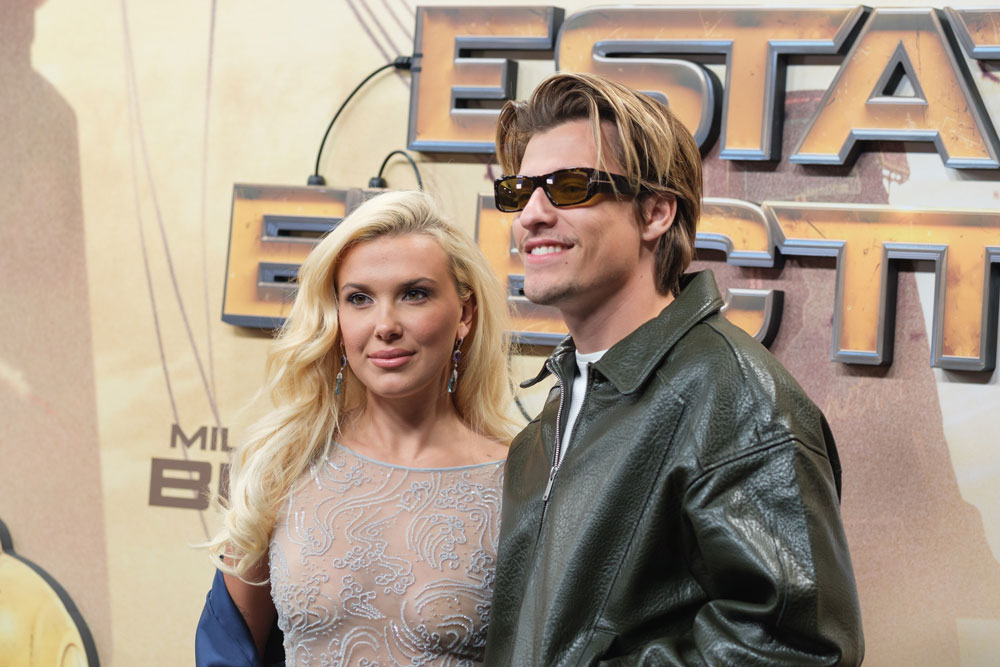
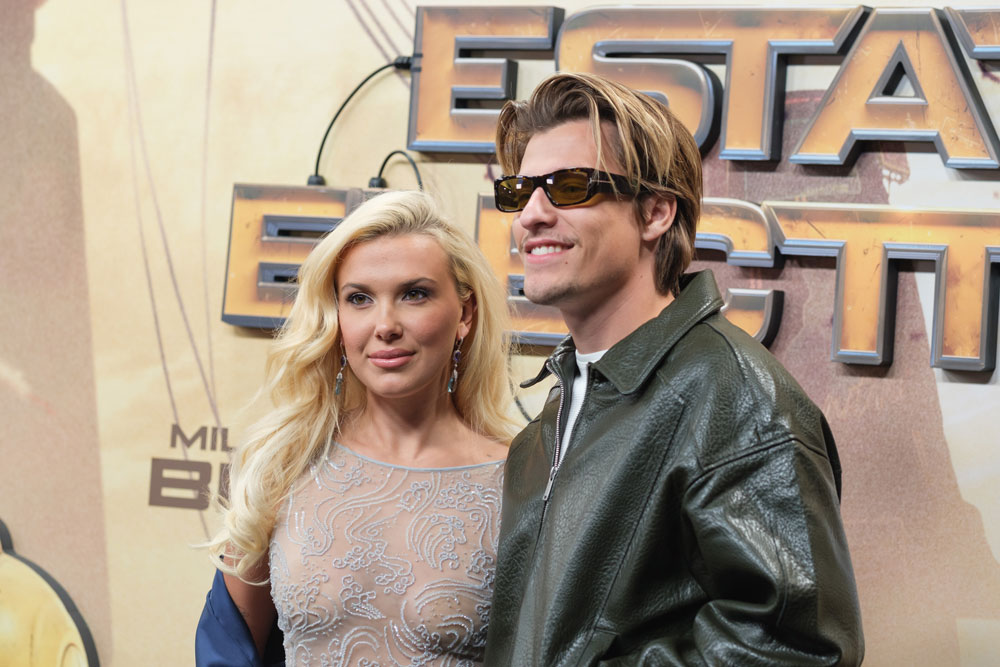
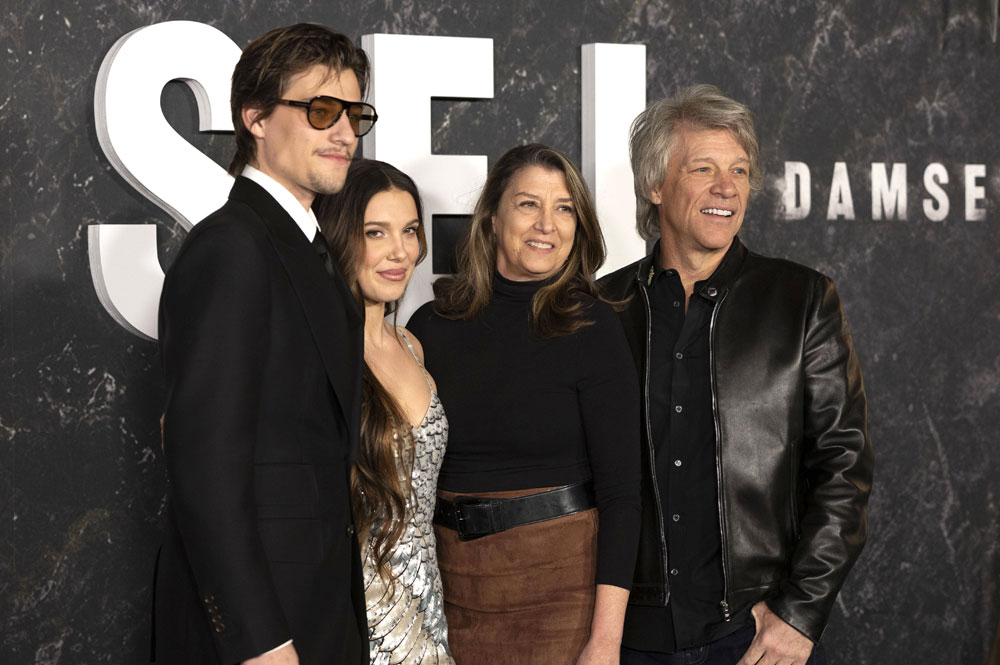
Millie Bobby Brown has been very visible lately, and it’s not just because of her new platinum blonde hair. Her movie with Chris Pratt, The Electric State, premiered on Netflix on March 14, which prompted the recent flurry of appearances, including covering the March issue of Vanity Fair. In that interview, Millie — who married Jake Bongiovi last May when she was 20 and he was 22 — talked about conversations she and Jake had when they got together. Things like making sure they were aligned on politics, values, and their career and family goals. It seems there’s one area, though, where they agreed to be opposites: money! On a recent episode of the Call Her Daddy podcast, Millie shared how wildly different financial backgrounds have shaped their contrasting spending habits. While Jake grew up with Bon Jovi money, Millie’s family had very little before she landed Stranger Things. The experience left such an impact that to this day, Millie still shops for basics at Target and Amazon, and carefully considers large purchases.

Millie Bobby Brown still remembers what it was like to have financial insecurity.

The 21-year-old “grew up with no money” before receiving the life-changing call that she had been cast on Netflix’s “Stranger Things.” In an appearance on the “Call Her Daddy” podcast, Brown said that her upbringing has had a profound effect on how she thinks about her finances.

“I have a money thing where I’m very conscious about money,” she said. “When I do spend money on something, I have to call my parents, I have to think about it, I don’t just buy it right away.”

That’s not because money is in short supply. The “Electric State” star was reportedly earning $10 million per film as early as 2019 and has a “ridiculously lucrative” overall deal with Netflix, according to Puck.

But just because she has the money doesn’t mean she has champagne tastes. Compared to her husband Jake Bongiovi — son of musician Jon Bon Jovi — Brown said she is very thrifty.

“I’ll be like, ‘Oh, I need socks,’ and he’ll be like ‘Let’s go to Prada,’” she said. “And I’m like ‘Let’s go to Target.’”

“He loves to go shopping,” she continued. “He will refuse to pack a suitcase because he likes to go shopping in the place we’re going. Whereas I like Amazon Basics. I love that.”

Indeed, when Brown wanted to make her first big purchase with her Netflix earnings, she said she needed her parents to encourage her to take the plunge and buy the Chanel sunglasses she had her eye on.

…Brown’s strategy of waiting before making a big purchase is in line with advice from experts. To curb impulse shopping, finance podcaster Glen James recommends employing something called the 1% rule: if you want to make a purchase that’s larger than 1% of your gross annual income, wait at least a day before purchasing it.

The 24-hour cool down period gives you time to sit with your decision and determine if you really want the item.

[From CNBC]

Was I laughing at baby-faced Jake saying, “Let’s go to Prada!” for socks? You bet. Though I’m sure my feet would probably cry out “What have you been doing to us all these years?!” the day I ever get so lucky to don a pair of designer socks, I still say Jake’s lucky to have Millie around to knock some sense into educate him. And I’m not at all surprised their respective financial backgrounds have stuck with them. Kids know their home money situation. My mother and aunt are seven years apart, and they’ve talked to each other a lot about how different each of their childhoods were based on changes in my grandparents’ income. For my part, growing up I always took note of the postcard affixed to our refrigerator that said, “Anyone who lives within his means suffers from a lack of imagination.” So I love it when people (especially women!) talk about money, and will definitely file away that practical tip about waiting a day on a purchase that’s 1% of my gross income. And I’ll pay it forward with a bit of advice that was transformative for me: if you can, try to put 10% of your paycheck into savings. It adds up!

PS — Wait, did Millie really just reveal that Jake basically buys a new wardrobe for each trip? Oh-oh, livin’ on… dad’s royalties.

Embed from Getty Images

Photos credit: Smart Pictures/Avalon, Oscar Gonzalez/Wenn/Avalon, IMAGO/Barbara Hine/Avalon, Backgrid