Categories
Documentaries Jimmy Kimmel politics Sarah McLachlan

Sarah McLachlan canceled a performance to show solidarity with Jimmy Kimmel


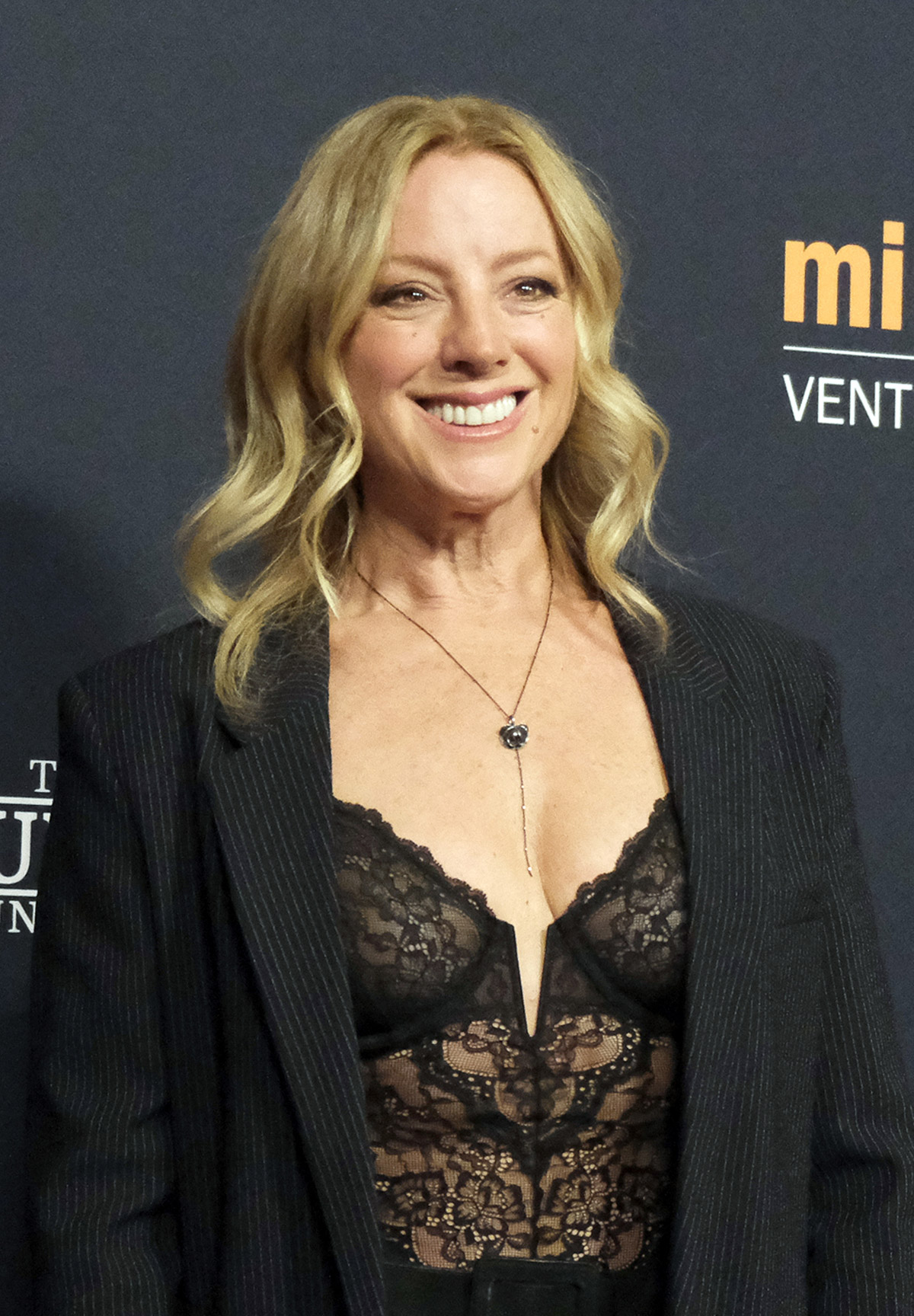
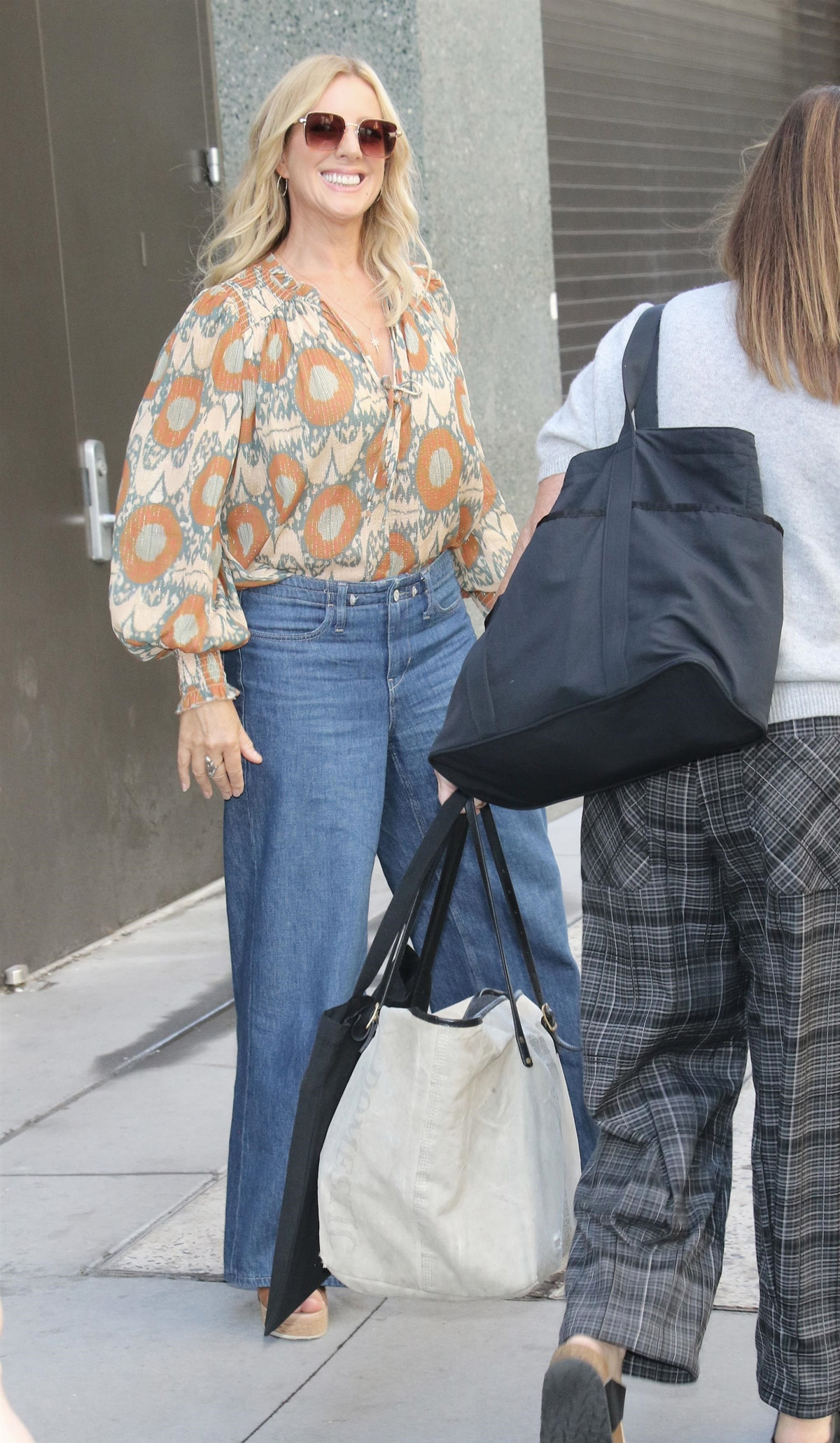
30 years ago, Canadian singer-songwriter Sarah McLachlan was frustrated by venues booking so few women, so she co-founded Lilith Fair, a traveling music festival composed entirely of female solo acts and groups. The new documentary, Lilith Fair: Building a Mystery, chronicles the historic tour, and is available to stream now on Hulu. Hulu, of course, is a Disney-owned company, just like ABC, the network who suspended Jimmy Kimmel last week for exercising his right to free speech. So while McLachlan and fellow Lilith Fair artist Jewel were scheduled to perform at the doc’s premiere on Sunday night, McLachlan instead kindly informed the audience that the performances were canceled to show solidarity with Kimmel.

“It’s a gift for all of us to see [this film], but also I’ve grappled with being here tonight and around what to say about the present situation that we are all faced with, the stark contraction to the many advances we’ve made watching the insidious erosion of women’s rights, of trans and queer rights, the muzzling of free speech,” McLachlan said. “I think we’re all fearful for what comes next, and none of us know, but what I do know is that I have to keep pushing forward as an artist, as a woman to find a way through, and though I don’t begin to know what the answer is, I believe we all need to work towards a softening to let in the possibility of a better way, because I see music as a bridge to our shared humanity, to finding common ground.”

She continued: “If Lilith taught me anything, it taught me there is a great strength in coming together to lift each other up instead of tearing each other down. So I really hope this documentary inspires everyone to continue to try and create positive change in your communities, to keep lifting each other up, keep championing the causes you believe in with kindness and empathy because ultimately we’re all in this together.”

Toward the end of her remarks, she broke the news about the performances being canceled.

“I know you’re expecting a performance tonight, and I’m so grateful to all of you for coming, and I apologize if this is disappointing, but we have collectively decided not to perform but instead to stand in solidarity in support of free speech,” McLachlan said, receiving loud applause and the standing ovation in support. She added, “Thank you for your understanding.”

…Lilith Fair: Building a Mystery retraces the iconic music festival that went on tour in the late 1990s and featured female solo acts and bands. A portion of the one-hour, 39-minute documentary was dedicated to how the artists faced protests, backlash and even a free speech fight during stops of the tour. While in Houston, organizers had partnered with Planned Parenthood to set up a booth on the venue grounds with reps handing out condoms. Conservative pro-life groups criticized the move, as did venue officials, by attempting to ban the organization from participating. Joan Osborne explained that Planned Parenthood was eventually allowed in, but artists were prohibited from discussing or promoting the organization during their sets. Osborne resisted, saying she didn’t enter into such an agreement, so she wore a Planned Parenthood T-shirt.

[From The Hollywood Reporter]

Wow, Sarah’s impromptu speech was so eloquent and the comments so intentional. Spoken like a real songwriter, and not all that surprising given Sarah’s catalog. Who can forget the lyricism of “You are pulled from the wreckage/of your silent reverie/You’re in the arms of the angel/may you find some comfort here,” from her 1997 hit “Angel,” which of course was memorialized in the epic tearjerker of an ASPCA commercial (that ended up raising $30 million in one year alone!). Before the premiere and cancellation of the performances, a recent comment Sarah made was making the rounds about her feeling like that ASPCA ad miscast her as “all dark and moody,” when in reality she’s very playful and happy. I have a pitch for how Sarah can reframe the infamous ad: recreate the whole thing, same song with Sarah front and center, only instead of animals looking for homes, to make it a parody it’ll be “Free Speech” and “Women’s Rights” looking to find shelter once again. Oh wait, that’s still an ad that will make me sob.

Embed from Getty Images


Photos credit: Katie Godowski/MediaPunch/INSTARimages, MediaPunch/Backgrid, Getty
Categories
Documentaries Lauren Graham Television

Lauren Graham & Alexis Bledel haven’t committed to the Gilmore Girls documentary

Embed from Getty Images
Gilmore Girls aired from October 2000 through May 2007. I was a big fan during its original run because I loved the relationship between Lorelai and Rory, and really related to Lorelai’s relationship with her own parents, Emily and Richard. When I turned 32 I had this big extensional moment, realizing that I was Lorelai’s age when the series started, only she had a 16-year-old and I had a two-year-old.

There’s a Gilmore Girls documentary coming out soon cleverly titled, Drink Coffee, Talk Fast. So far, several former stars are confirmed to be taking part, including Kelly Bishop, Jared Padalecki, Keiko Agena, Sally Struthers, Chad Michael Murray, and more. Notably missing from the cast list is Lauren Graham and Alexis Bledel, who gave a nod to Stars Hollow when they reunited to present an award at this year’s Emmys. Entertainment Weekly recently caught up with Lauren on Sunday and asked her why she wasn’t participating in the documentary. Her answer was pretty straight-forward: She’s not participating if the GG series creators, Daniel Palladino and Amy Sherman-Palladino, aren’t involved.

During the September 14 interview with Entertainment Tonight, Graham was asked whether she was going to be a part of the upcoming Gilmore Girls documentary, Drink Coffee, Talk Fast, which was previously titled Searching For Stars Hollow. Graham replied that she had not yet filmed for the documentary because the creators of Gilmore Girls, Amy Sherman-Palladino and Daniel Palladino, aren’t involved with it.

“I don’t do anything the creator of my show isn’t a part of, so, so far, no,” said Graham during the Entertainment Tonight interview.

The Hollywood Reporter reported that several Gilmore Girls stars, including Kelly Bishop, Jared Padalecki, Kathleen Wilhoite, Keiko Agena, Sally Struthers, Liz Torres, Emily Kuroda, Rose Abdoo, Matt Jones, Grant Lee Phillip, and Chad Michael Murray, will appear in Drink Coffee, Talk Fast. A few of the show’s crew members, such as Stan Zimmerman, who was a writer and producer for Gilmore Girls, director Jamie Babbit, and casting directors Jami Rudofsky and Mara Casey, were also interviewed for the project, as reported by The Hollywood Reporter.

In a statement to The Hollywood Reporter, one of the documentary producers, Jim Demonakos, explained that Drink Coffee, Talk Fast “will reveal how Gilmore Girls came to life, why it continues to resonate across generations, and how its unique blend of humor, heart and pop culture shaped a devoted worldwide fan community with an in-depth look at its creation and the connections it continues to foster.”

“This documentary is for fans of the show but also for anyone with an interest in cultural history and how it affects individual lives,” stated Demonakos.

In another statement, Meghna Balakumar, who co-directed the upcoming documentary with Kevin Konrad Hanna, said that they have “shot more than 100 hours of footage and have already unearthed stories, commentary, critiques, and more.”

“And we’re continuing to shoot more interviews [with the Gilmore Girls cast and crew] in the coming months to present the most complete, full and truly new story of the show’s impact and legacy that is only possible at this historical moment,” stated Balakumar, as reported by The Hollywood Reporter.

While speaking to Entertainment Tonight at the red carpet for the 2025 Emmy Awards, Graham shared why she believed Gilmore Girls has had such a devoted fanbase, nearly two decades after the original show ended. The actress credited the show’s fun, fast-paced dialogue and the bond between Lorelai and Rory as to why fans are still obsessed.

“I think it’s the incredible writing that kind of meets you no matter what age you are. You keep rediscovering the language. And I think it’s the relationship at the core because who doesn’t want to be best friends with their mom and their kid,” said Graham to the publication.

[From Parade]

This documentary sounds fascinating, and I’m sure that everyone involved has done so earnestly. That said, it’s noteworthy that in addition to Graham and Bledel, Melissa McCarthy, Liza Weil, Milo Ventimiglia, and Sean Gunn also haven’t interviewed for Drink Coffee, Talk Fast. I bet that some of them end up giving interviews eventually. As for the Palladinos, I wonder if there’s a reason why they haven’t participated yet. Is it scheduling conflicts? Money? Do they want to keep their cards close to their chest in case they do their own documentary one day? Have they been in contact with Lauren and some of the other cast members to ask them not to participate?

I agree with Lauren’s assessment about GG’s staying power. The writing is sharp, the relationships are enviable, and the situations are the perfect balance between relatable and soap opera.

Embed from Getty Images

Embed from Getty Images

Embed from Getty Images


photos credit: Marion Curtis and Saeed Adyani for Netflix and Getty

Categories
Documentaries Netflix

Most of the people responsible for ‘The Biggest Loser’ came across terribly on ‘Fit for TV’


Spoilers for Fit for TV


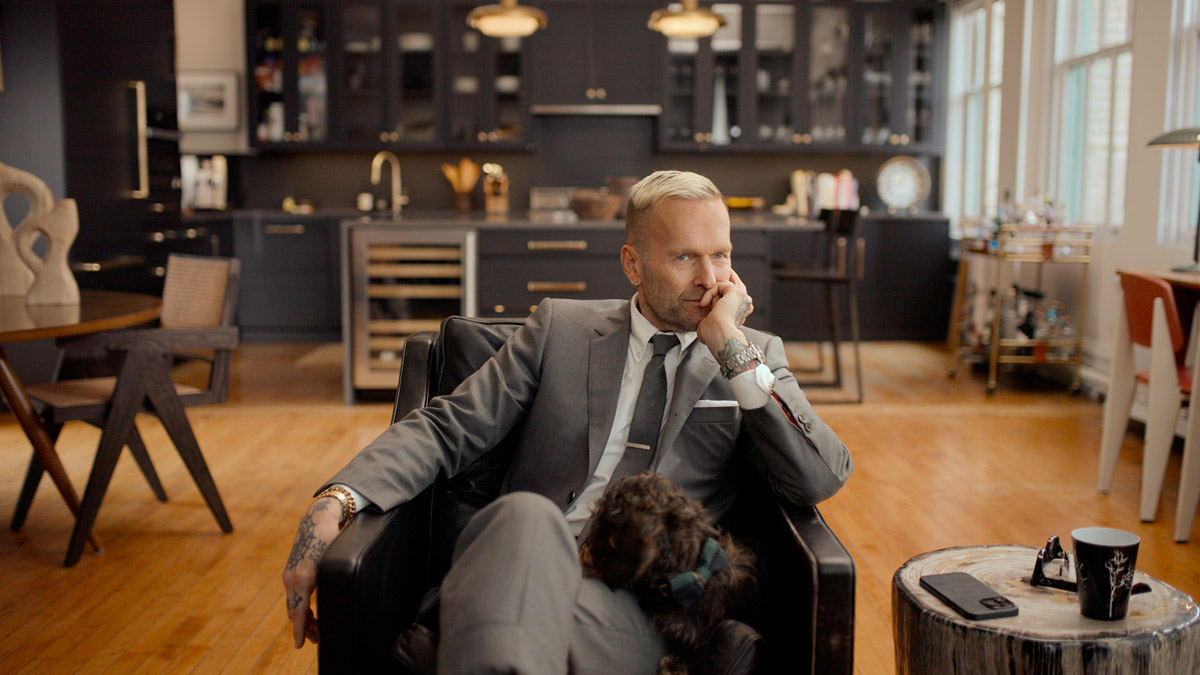
Fit for TV: The Reality of The Biggest Loser is a three episode docuseries about The Biggest Loser, a reality show competition which aired on NBC from 2004 to 2016. Fit for TV premiered on August 15th and is currently the most-watched TV show on Netflix in the US. Several contestants, the creators, the show’s doctor, host Alison Sweeney and trainer Bob Harper were interviewed. Trainer Jillian Michaels wisely declined to be interviewed. (She’s been going full MAGA and I’m sure she would have come across as poorly as she does on the show and on social media.) The only people behind the show who seemed somewhat sympathetic were Sweeney and Dr. Robert Huizenga, who said that he pushed back on some of the crueler stunts, when he was made aware of them. The idea for The Biggest Loser came from a bulletin board note in a gym which co-creator/personal trainer Dave Broome saw from an obese man asking for help. Broome emphasized this point, even as it was clear that he made no effort to reach out to the man. Kudos to the filmmakers for underlining how ridiculous this was, and how the show dehumanized people and put their health at risk by gamifying weight loss.

People Magazine has a quick writeup with quotes from Fit for TV from Dr. Huizenga. Dr. Huizenga’s experience as a doctor for The Steelers helped shape the direction of The Biggest Loser, which used punishing workouts because they made for dramatic television and quick weight loss.

In Netflix’s three-part docuseries Fit for TV: The Reality of The Biggest Loser, which premiered Friday, August 15, Dr. Huizenga, a former team doctor for the then-Los Angeles Raiders, said his experiences at the intersection of medicine and the professional sports world helped shape the weight-loss reality show.

“The Biggest Loser was totally sculpted after my experience with the Raiders and the only question was is it possible for an overweight, sedentary person to work out, not with the ability of a professional athlete, but with the intensity of a professional athlete?” Dr. Huizenga says on the show.

Still, as the series progressed and showrunners faced pressure to maintain viewers’ attention through 17 seasons, he says he became increasingly worried about the physical challenges contestants faced.

“We had a 99.9% success [rate] in losing weight. That was really an incredible discovery,” Dr. Huizenga recalls. “But as the show really got popular, some things were being done that I really, I really took issue with.”

“It was scary because from season 1, you have women — 200 lbs., men — 300, and it just went up, straight line up. And with that, the ability to exercise, a straight line down. So when they do a physical challenge that puts people in harm’s way, that’s where I have to step in,” he says.

Looking back, Dr. Huizenga said he was not always aware of every aspect of the contestants’ experiences.

“There were times, unfortunately though, that challenges were done that I didn’t see or hear about, which was the main hang-up to making it a much safer environment,” Dr. Huizenga said.

[From People]

Going into this series, I had a positive impression of Bob Harper as “the nicer trainer” on The Biggest Loser. I’ve admittedly only seen two or three episodes in full. Fit for TV showed Harper on season 7 befriending and then targeting a Black woman, Joelle Gwynn, whom he singled out for some of his harshest criticism. He continued to defend his behavior in these new interviews, without a shred of recognition for how problematic he was 16 years ago. Joelle was also interviewed and you could see how hurt she was by having to go through that. The contestants’ emotions still seemed raw, many still had significant trauma, particularly a woman named Tracey Yukich who experienced life-threatening rhabdomyolysis during a challenge and had to be airlifted to a hospital. Still, the co-creators defended the show and Broome even said he’d do it again without prize money, since so many people are desperate to lose weight.

Fit for TV came to the conclusion that The Biggest Loser couldn’t be made today, because Ozempic and GLP-1 agonists have made weight loss much less dramatic. I’d like to think that it couldn’t be made today because emotional and physical abuse are no longer acceptable on television. There have already been several real-life versions of Squid Game though, so that is no true at all. Multiple people saw a fictional show about people being murdered for entertainment and thought they should make it real.

Photos credit Netflix press

Categories
Documentaries True Crime

‘Amy Bradley is Missing’ docuseries filmmaker: ‘I have to believe she’s alive’


Spoilers for Amy Bradley is Missing


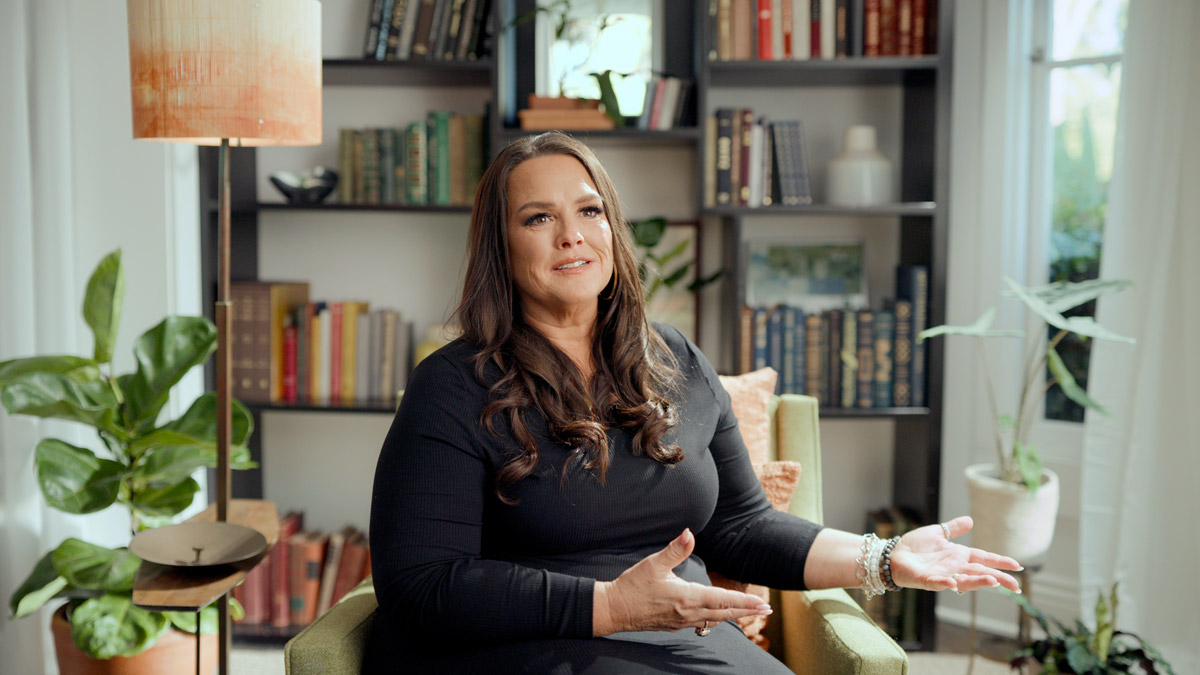
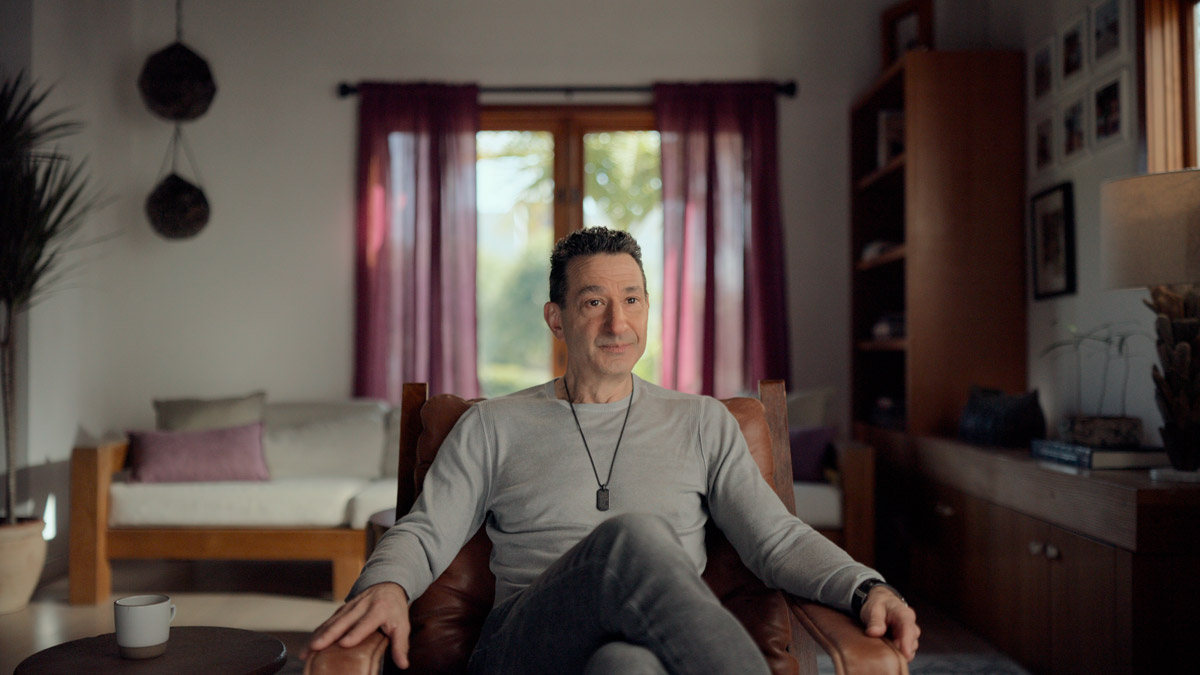
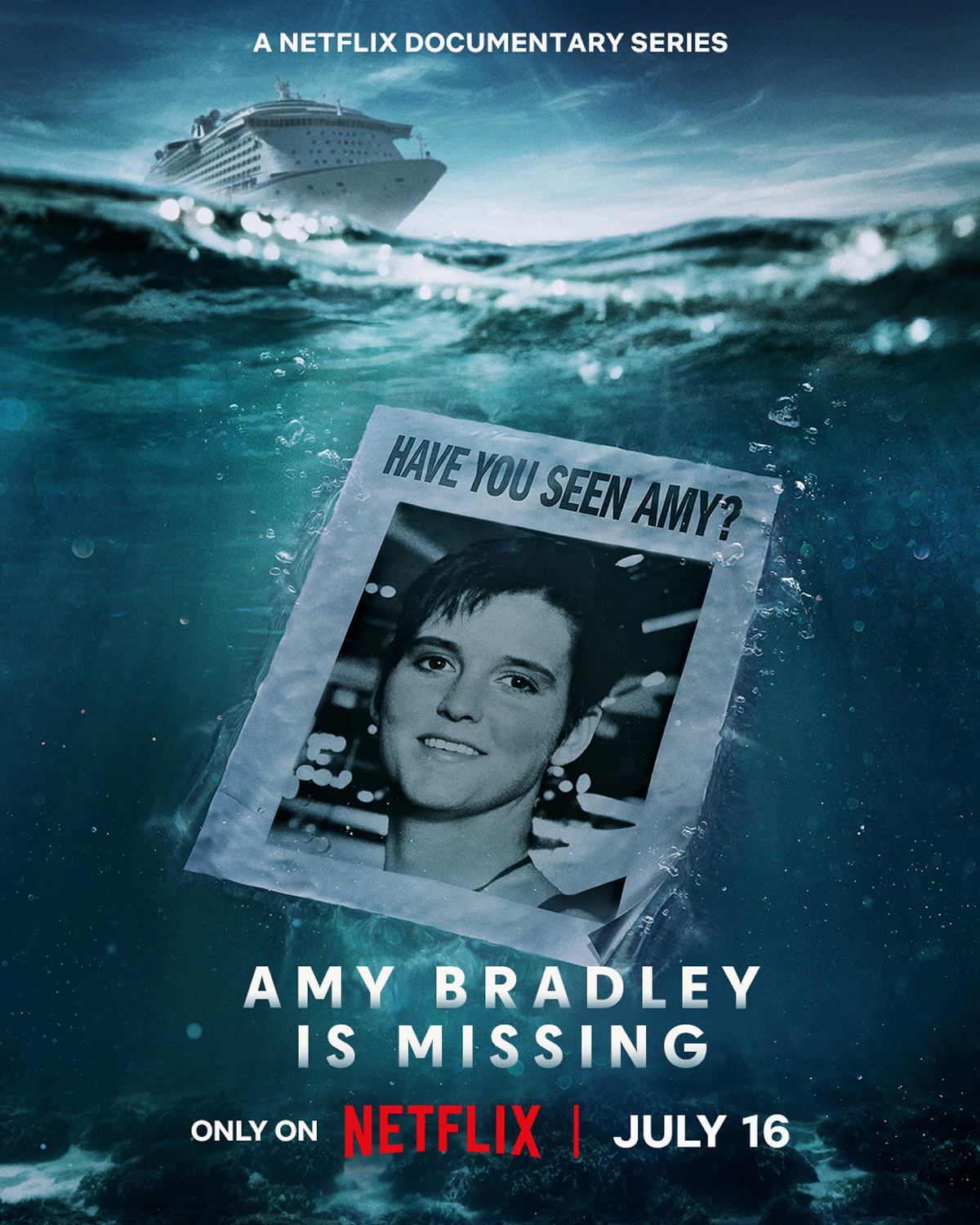
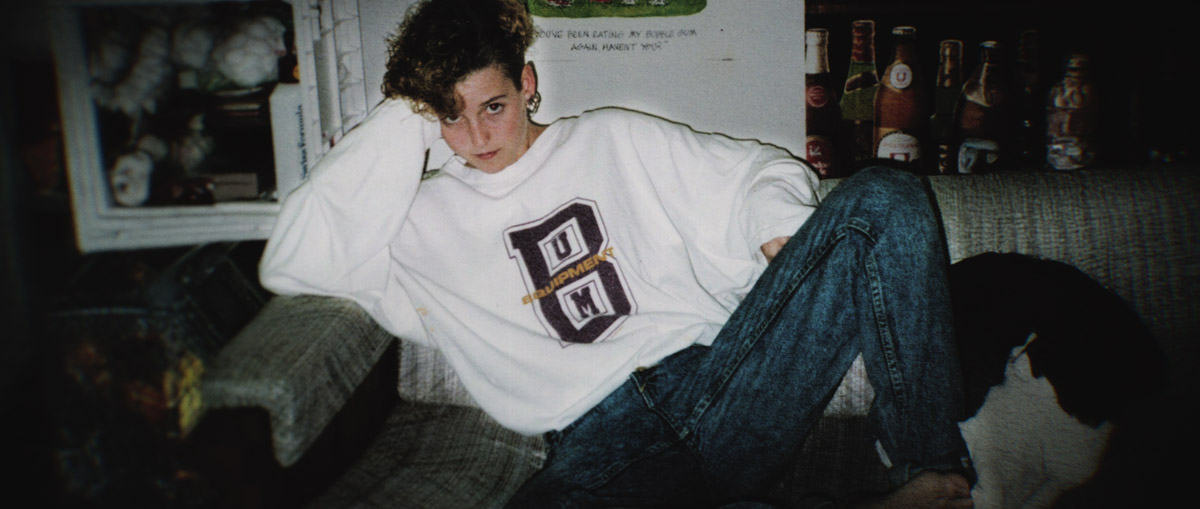
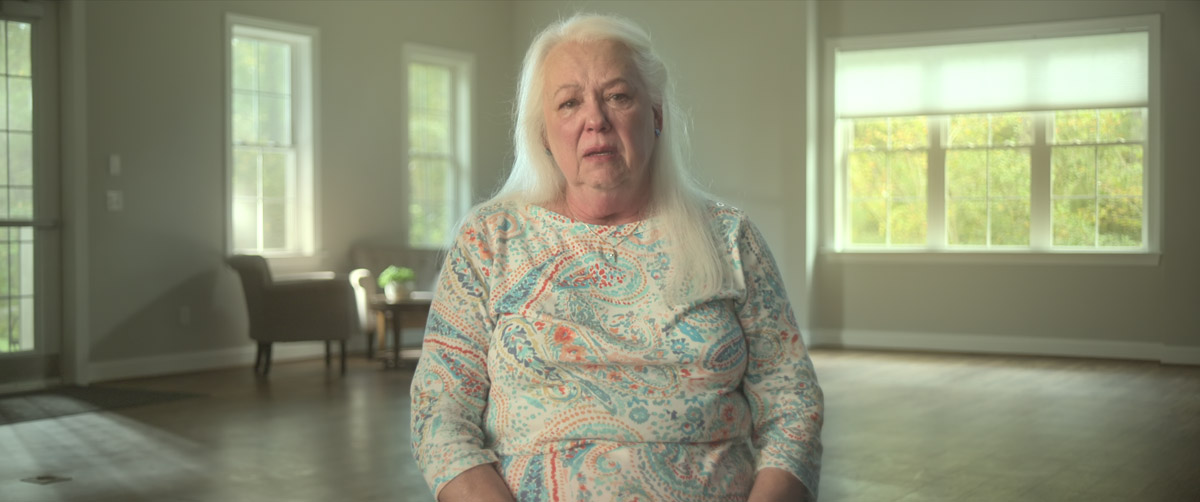
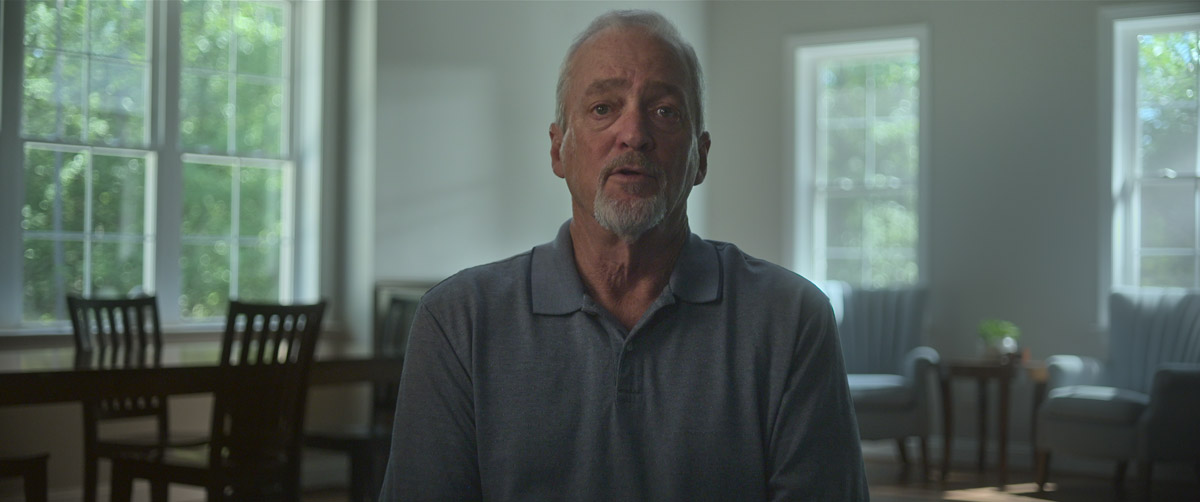
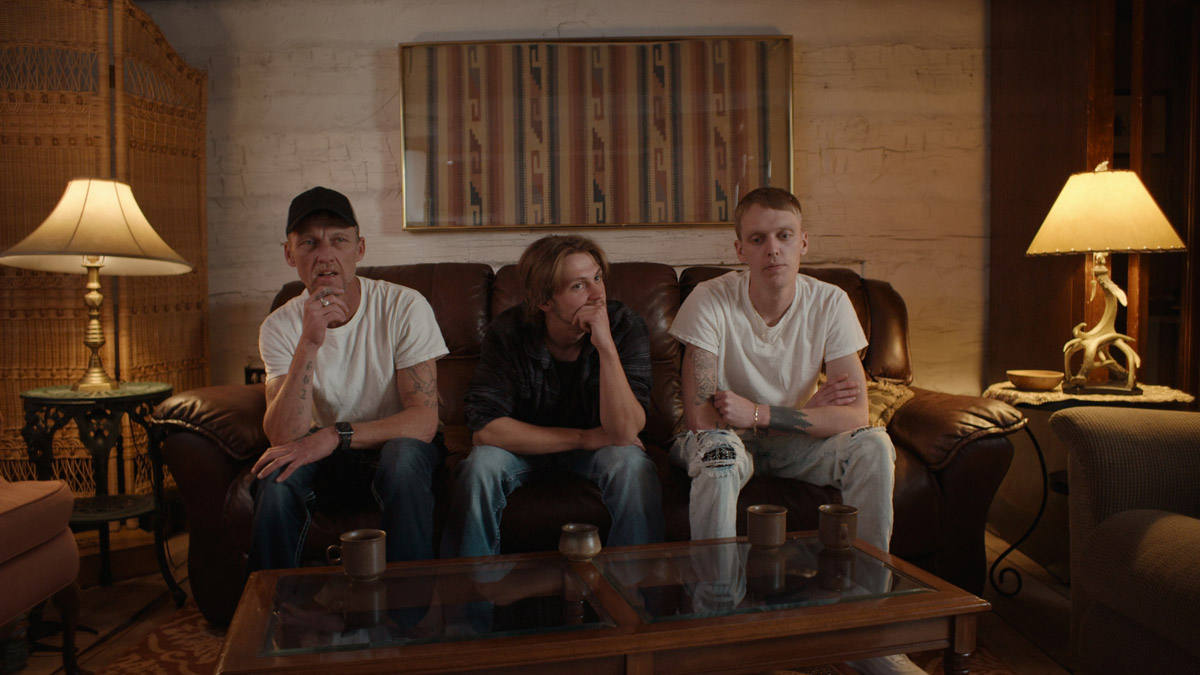
Prior to seeing Netflix’s popular docuseries, Amy Bradley is Missing, I’d heard of the case through the true crime podcast Casefile. There were some key omissions and new information in this docuseries, which I’ll get to in a moment. Amy Bradley, 23, disappeared off a cruise ship to the Caribbean with her family in 1998. She was seen dancing with a crew member on the night before her disappearance and eyewitnesses saw her with him early the next morning. While she may have fallen overboard her body was never recovered and several credible witnesses went on the record with sightings of her over the years. I’ve seen coverage insisting that Amy must have fallen overboard, deliberately or not, but there are too many witnesses and clues suggesting she was trafficked for me to firmly believe that.

The detail which was new to me, and which redditors have said they hadn’t heard before either, is that Amy was gay and specifically that she had just broken up with a girlfriend. In the series, Amy’s ex shared a heartfelt letter that Amy wrote her just before the cruise, wanting to reconcile when she got back. This detail was discussed very reluctantly by Amy’s family, who discounted it and seemingly denied that part of her identity. Amy’s dad had written a mean letter to the ex girlfriend back when Amy was alive, showing how her family did not accept her. Notably, the docuseries left out the fact that Amy’s family was bilked out of about $100,000 by a shady private detective promising to find her. There were three nearly hour-long episodes, there was plenty of time to include this detail. I can only guess that the family didn’t bring it up and that the filmmakers either didn’t ask or respected their wishes not to talk about it.

Filmmakers Phil Lott and Ari Mark spoke with The Hollywood Reporter. They swear that they were objective despite being close to Amy’s family, but I doubt that. Still it was a well edited docuseries that told a cohesive story. Here’s more:

It sounds like you believe she’s alive.


Mark: I got to the point on this show where I became close enough with the people. Of course, we remain objective, and we were objective through the whole process. There are enough reasons to believe all of these things are possible. That’s what makes it compelling. But Brad, [Amy’s] brother, says, “I have to cling to the hope.” He’s like, “I’m not saying it’s definitely this, definitely that — but I have to cling to the hope.”

I’ve kind of gotten to the point where I have to believe she’s alive. And people will judge me for that. You immediately fall into a bucket of, “How could you believe the most far-fetched piece of this?” We’re always so used to calculating odds. “Well, the odds are this happened, and the statistics say …” All of those things are true. But if we’re telling a remarkable story, I think there’s just as much of a chance that there’s a remarkable answer.

Anything you want to add, Phil?


Lott: No, I think that was incredibly well said. When people watch this series, I think you will feel like your preconceptions have been compounded. The easiest thing in the world is to come up to us going, “Clearly, she fell off the boat.” I think we’re as guilty of that coming into this as anyone else. And as you go down the path, and you start answering the first five questions, they all lead to much bigger pieces of mystery. Well, now you have three episodes of that. It’s something that just gets bigger and deeper and more compelling.

Mark: Our job is essentially to call bullshit, right? We go into these things calling bullshit. So as you go, “Ooh maybe we’re wrong,” it’s an evolution. It’s a process.

[From The Hollywood Reporter]

They go on to discuss the photos from the escort site of the woman whose face matched Amy’s using facial recognition software. She was posed in a way that hid Amy’s birthmark and tattoos. Another compelling clue is that visits to the Amy Bradley is Missing website from someone with an IP address from Amy’s presumed location spike around family birthdays and holidays. That person spends much more time on the site than someone with a casual interest. I also found the eyewitnesses very believable. They each seemed convinced they saw Amy. It’s possible she’s alive and is trapped or doesn’t see a way back after all she’s been through. It’s also possible she fell or jumped from the ship early that morning. There are no clear answers as to what happened, which is people are so interested in this case. For all their flaws, Amy’s family has dedicated their lives to finding her and they deserve answers.

photos via Netflix Press

Categories
Autism Documentaries Dogs Rosie O'Donnell

Rosie O’Donnell’s doc about service dogs was inspired by her friend Lyle Menendez


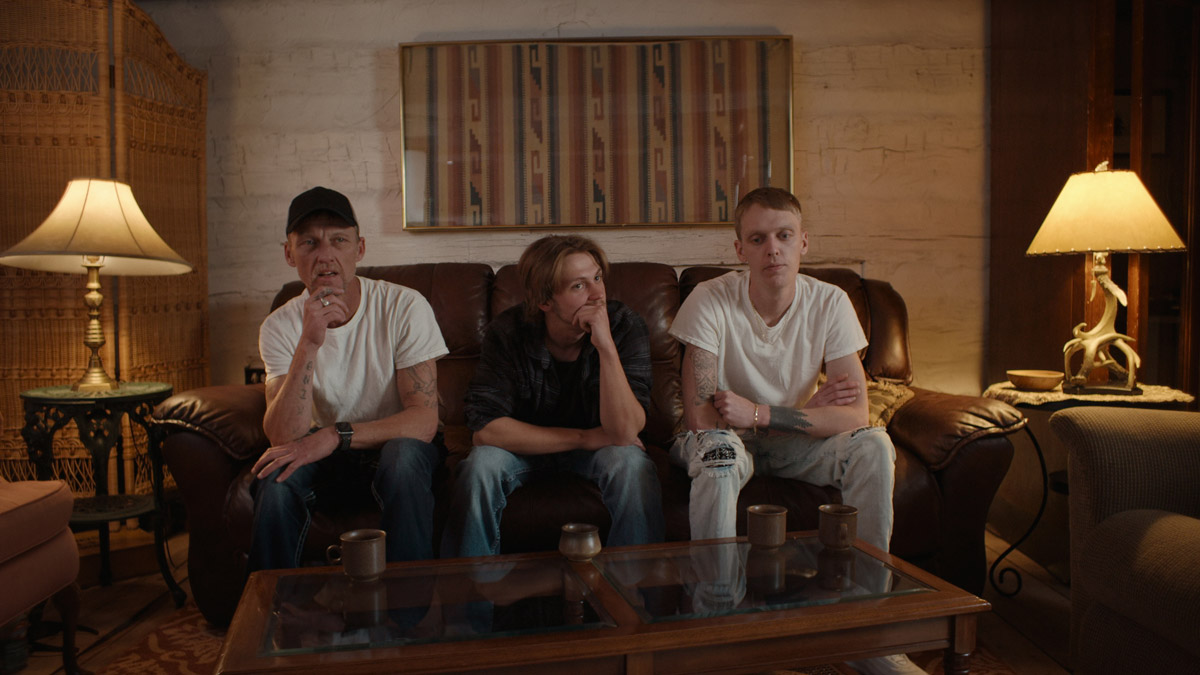
This edition of “We don’t deserve the goodness of dogs,” is brought to us by Rosie O’Donnell, care of her friendship with Lyle Menendez. A few years ago, Rosie wound up connecting with Lyle (who’s serving a life sentence without the possibility of parole, along with his brother Erik, in San Diego, California) after she publicly voiced support for the brothers. After many phone calls, Rosie eventually went to visit Lyle in prison… where she was promptly bowled over by rows of Labrador retrievers standing at attention with inmates. How could so many very good floofs be convicted?! No no, of course they weren’t. The dogs are part of a program where inmates train the pooches to be of service to blind people, disabled vets, and autistic children. By the next year, Rosie and her 12-year-old autistic child Clay welcomed Kuma, whose presence had such a positive impact on Clay, Rosie decided to make a documentary about the wonderful program. She’s now promoting it in a New York Times profile:

In 2022, after watching a documentary about the Menendez brothers, Ms. O’Donnell discussed their case on TikTok, reiterating her belief that they were sexual abuse survivors who killed their parents out of a sense of trauma and desperation.

Soon after, she said, Lyle Menendez’s wife, Rebecca Sneed, reached out to her to see if she was interested in speaking with him.

Their first conversation lasted two or three hours, Ms. O’Donnell said.

“Then he started calling me on a regular basis from the tablet phone thing they have,” she said. “He would tell me about his life, what he’s been doing in prison and, for the first time in my life, I felt safe enough to trust and be vulnerable and love a straight man.”

Some of her friends expressed concern. “They were like, ‘Ro, he’s a murderer,’” she said.

She shrugged, then went to visit him in prison, where she saw scores of inmates with Labrador retrievers stationed silently at their feet.

Ms. O’Donnell asked Mr. Menendez how this could possibly be legal and he told her about a program they had to train and place dogs with the blind, disabled veterans and autistic children, which is run by the program Guide Dogs of America. He suggested Ms. O’Donnell get a dog for Clay through the program.

Ms. O’Donnell said she felt uneasy at first. Clay is a highly verbal child and Ms. O’Donnell, aware of her celebrity status, did not want to jump in front of someone who could not function without a highly trained service dog. But Mr. Menendez told her not to worry: The dogs were distributed according to need.

A year later, she was approved for a dog.

Ms. O’Donnell spent two weeks commuting daily to the prison, where she was matched with Kuma, a black Labrador mix who had been trained for a year by Carlos Aguirre, an inmate doing time for armed robbery. (Although the dog winds up working principally with the autistic child, the intensive training takes place between the dog and an adult.)

Kuma bonded instantly with Clay when she came home. “I noticed the difference in Clay immediately,” she said. “I was shocked to find out that all the stories I heard from other mothers of autistic children were true.”

[From NY Times]

I have to say it again, we don’t deserve dogs! Thank woofness they haven’t figured that out yet. I’m continually amazed by the many different jobs they can be trained to do, not to mention how much joy and satisfaction they get out of doing very good jobs. I support dogs being in homes with children of all kinds of needs — I was an only child and my pediatrician always recommended getting a dog, and in retrospect I think my mother wishes we had — and am especially glad to hear that Clay and Kuma found each other. I also hope Kuma has settled in well with Rosie and Clay in their new Irish home. After America flunked the election, Rosie made preparations to move and obtain citizenship in Ireland, for her own sanity, and to protect Clay’s rights as a nonbinary child. If I had the money, I’d be looking into relocation options right now, too. In the meantime, I’ll get my tail wagging by watching Unleashing Hope: The Power of Service Dogs for Children With Autism, when it hits Hulu on April 22.

Embed from Getty Images

Categories
Documentaries Netflix

Netflix documentary about obsessed treasure hunters has a crazy twist (spoilers)


There are spoilers here for the Netflix Documentary Gold & Greed: The Hunt for Fenn’s Treasure


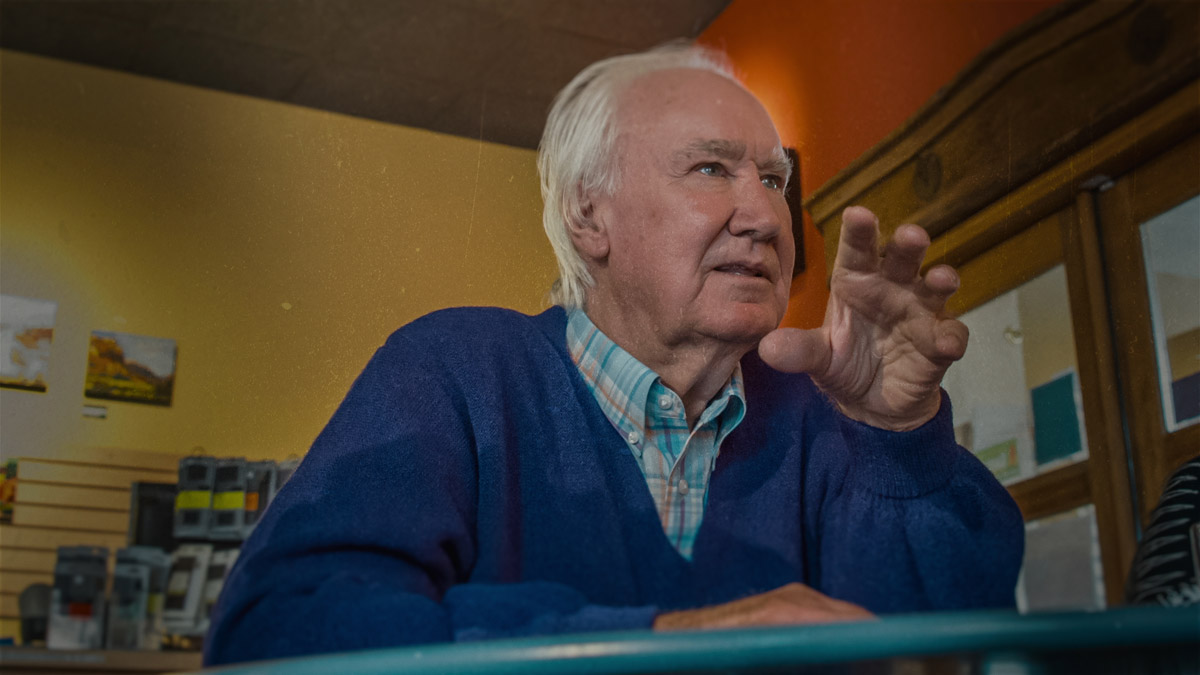
I enjoy a good Netflix documentary as long as it’s not too traumatizing and my threshold for that is high. Some of my recent favorites have been The Twister: Caught in the Storm, American Murder: Gabby Petito, American Murder: The Family Next Door and Mountain Queen: The Summits of Lakpa Sherpa. Over the weekend I binged the three part series Gold & Greed: The Hunt for Fenn’s Treasure. It’s the true story of an octagenarian who buried over a million dollars in treasure in 2010 somewhere in the Rocky Mountains. Clues to the location were given in a cryptic poem within Fenn’s memoir. Gold & Greed profiles the colorful cast of treasure hunters, Fenn and Fenn’s family. Fenn passed away in September 2020, a few months after his treasure was found. At least three people are known to have died while searching. Fenn’s family was stalked and harassed by people desperate for the money, even after his death. It’s an unbelievable tale of greed and adventure, with the biggest twist coming at the end. I’ll let Outside Magazine tell that part and again there are huge spoilers. If you like to learn more about this series, Netflix has a good explainer and the trailer is below.

The Forrest Fenn treasure hunt is back on, and if you want to find the loot, you’re going to have to binge-watch Netflix.

That’s the big takeaway from Netflix’s three-part docuseries Gold & Greed: The Hunt for Fenn’s Treasure, which went live on Thursday, March 27. The series chronicles the decade-long hunt to find the chest that Fenn buried in the western United States—and the lives of the people who became swept up in the frenzy to find it. Over the three 50-minute episodes, the series dives into the good, the bad, and the ugly moments of the Fenn hunt, including the five deaths that occurred during it.

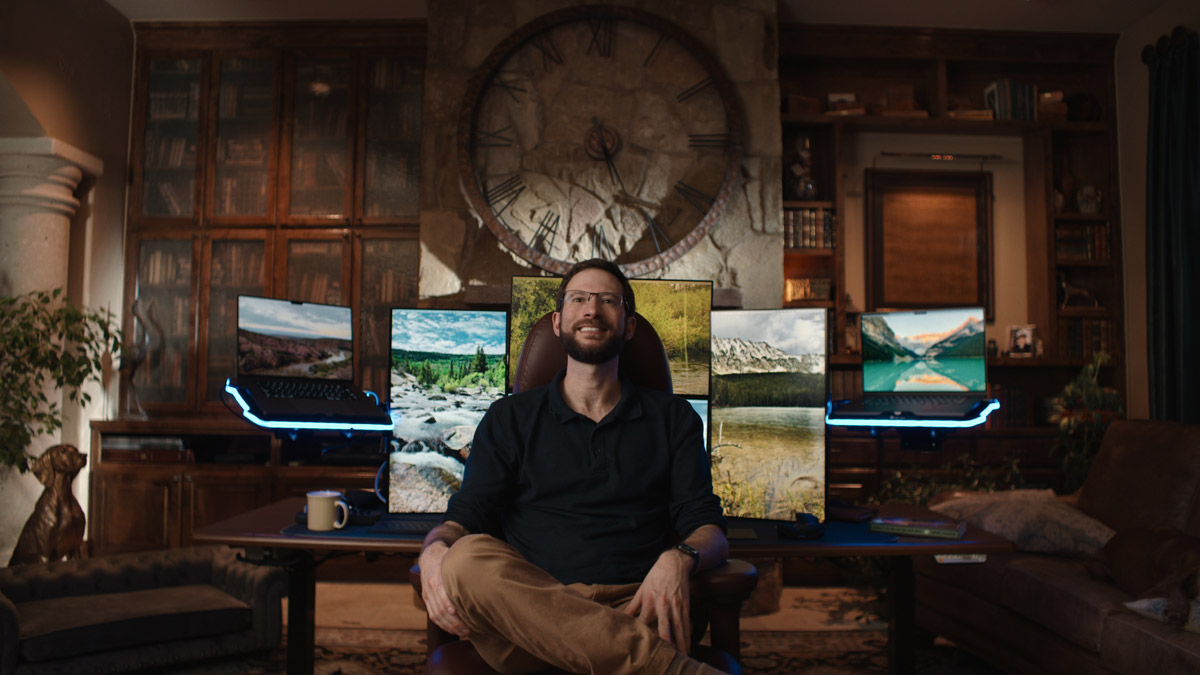
(Spoilers ahead) But the series’ headline-grabbing moment comes in Gold & Greed’s final few minutes. One of the treasure hunters profiled in the series, a software engineer named Justin Posey, reveals that he purchased some of the 476 items from the Fenn treasure after it went up for auction in 2022. And now, he’s put the goodies—along with additional gold, rubies, and even a meteorite—in a chest and buried it somewhere out there. To find the trove, you must decipher clues that are hidden in the three-part series.

“I managed to sneak in some hints during the filming of this series—no one knows what the hints are besides me, not even the producers,” Posey says in the series’ final scene. “So it’s worth your time to watch and listen closely.”

To be honest, the revelation helps explain some of Posey’s curious quirks throughout the docuseries. He drives a truck that’s wrapped in a topographic map, he sits for interviews in front of computer screens showing mountains, creeks, and lakes, and he lives in a house filled with strange artifacts from his own collection.

“Most of my family and friends would categorize me as eccentric,” Posey says in episode one.

So yeah, anyone who wants to find Fenn’s—er Posey’s—treasure is going to have to watch Gold & Greed again and again, until they have committed the entire program to memory.

I suppose that’s one way to market a documentary film.

[From Outside Magazine]

There’s more on Outside’s site, including background and an interview with director Jared McGilliard. The series is very entertaining, it’s well edited and is worth watching. These people seeking the treasure essentially did so in vain, with several losing relationships, loved ones, and years of their lives. It all seemed quite bleak and pointless to me, although there were positives, like getting out into nature and having a quest, however futile. The man who found the treasure wisely did it without drawing much attention to himself. He would have remained anonymous if it wasn’t for Fenn’s family, who revealed his identity after Fenn’s death to try to appease the community of treasure hunters. Many speculated that the whole thing was a hoax. There was such a human cost to Fenn’s family and for the people who sought his treasure. Fenn spoke to the press and communicated directly with the treasure hunters in the ten years before his loot was found. He dropped both real and misleading hints and remained cagey, defiant and stubborn, even as multiple people died looking.

Justin Posey, mentioned in the quoted text above, is a software developer who did not find the treasure but was essentially the runner up. The fact that decided to create his own treasure hunt and to use his interviews in this show to give clues belies the whole point of the docuseries. It’s about to be another clusterf-k of people putting their lives and sanity at risk trying to find the booty. The producers claim that they have no idea where Posey’s treasure is hidden, but it’s hard to believe that they didn’t work with him somewhat. If he was working clues into his interviews, did he have final say in the edits? It’s possible that he only included context clues like background items and photos. As much as I found the ending frustrating, I’m thinking and talking about it, much like Fenn intended with his original stunt.

photos courtesy of Netflix

Categories
Bob Mackie Cher Documentaries Fashion

Bob Mackie calls his Cher ‘Turn Back Time’ outfit vulgar, embarrassing


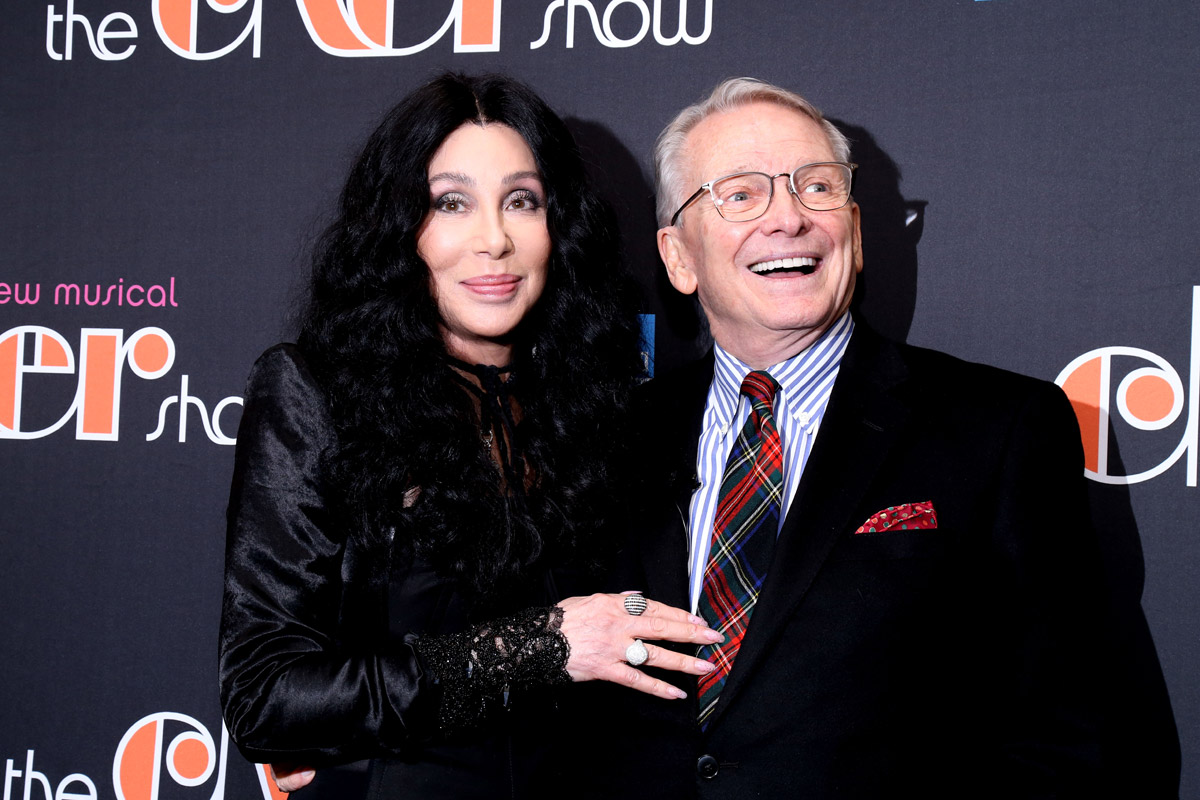
Not only have we been gifted with tales from the life of Cher to enjoy this holiday season from her memoir, but in a bit of fortuitous timing, there’s also a new documentary on her longtime fashion collaborator Bob Mackie! Bob Mackie: Naked Illusion is playing in select theaters and will hopefully be available to stream soon, because two hours of sequins and beading and feathers is exactly what the doctor ordered. Costume designer Mackie dreamt up iconic looks for Cher, Carol Burnett, Diana Ross, and many more, including relative youngins Pink and Miley Cyrus. If he could turn back time, though, Mackie would firmly say no to Cher’s request for a V-printed sheer bodystocking to wear for her 1989 music video for “If I Could Turn Back Time.” As opposed to what he actually did, which was sheepishly make what he called a “vulgar” outfit, and politely ask Cher never to tell anyone that it was one of his creations.

In the new documentary Bob Mackie: Naked Illusion, Mackie reflected on designing Cher’s controversial look for her 1989 “If I Could Turn Back Time” video. In the film, out now, Mackie called the “seat belt” outfit — which was a sheer bodystocking other than two fabric strips forming a V on the front and a small back strip over her tattooed buttocks — “vulgar.”

“We put a lot of wild, sexy clothes on her at different times,” Mackie told Yahoo Entertainment. “Sometimes I’d say, ‘Well, you can’t wear that for this,” … an award show or whatever, and she would [disappointingly reply], ‘OK.’ But she wanted to wear that. Bicycle pants were in, but see-through bicycle pants are really scary.”

Mackie, who had outfitted the singer for more than a decade at that point, including for the Sonny and Cher Comedy Hour and the Cher show, said he agreed to design it — with Cher’s agreed-upon silence.

“I said, ‘Please don’t tell anyone that I designed this,’” he said with a laugh. “‘Don’t let anyone know this. I’m embarrassed,’ and she was fine about it. Now she admits that, no, it wasn’t so good.”

…While the “naked dress” has had a huge resurgence in Hollywood over the last several years, Cher wearing a feathered and sequined naked illusion dress, created by Mackie and Ray Aghayan, on the cover of Time magazine in 1975 also caused a kerfuffle.

Cher first wore the dress — made of souffle, a sheer fabric that is no longer in use because it is highly flammable — for a Vogue photo shoot with Richard Avedon and to her first Met Gala in late 1974.

“It was a fabric that actually was against the law in this country, but Marlene Dietrich had brought it in for her gowns and we had the same dress people working for us as Dietrich,” Mackie explained.

As for his creation for Cher, “It’s just one of those crazy, crazy things, but it got a lot of attention.”

In 1975, one of Avedon’s photos was used for a Time cover — “Cher Glad Rags to Riches” — and it received even more attention.

“It was banned in the South,” Mackie said of the cover. “Some people thought [the dress] was just shocking. You couldn’t see anything, but you thought you could. You make them think they’re seeing everything, but they don’t see anything.”

[From Yahoo! Entertainment]

I would just like to have a moment of appreciation for the statement, “Bicycle pants were in, but see-through bicycle pants are really scary.” Those words have and will continue to stand the test of time. Because Mackie was absolutely right in 1989 — it was a vulgar, embarrassing outfit! Only I think the embarrassment is Cher’s, for a) wanting to wear that, and b) not trusting her friend when he clearly thought it was a bad idea. I mean, once someone says, “I’ll do this, but don’t tell anyone, ever, that it was me,” isn’t that a big clue? On the other hand, Cher sticking to her vision and then laughing about it years later also checks out. Clearly their relationship has endured, and they are better friends for it.

As I said earlier, I am so ready for this documentary! A lot of good friends, including Cher and Carol Burnett, showed up for Mackie by appearing in it. I’m glad he’s being honored this way, because my gosh what a sparkling body of work he has! (Pun intended.) Plus I’m hoping for more anecdotes like “Marlene Dietrich smuggled an illegal, highly-flammable fabric into the US just because she liked it.” In the meantime, you can ogle a collection of his pieces that are up for auction at Julien’s. I’m salivating over the sketches alone.

Embed from Getty Images

Embed from Getty Images

Photos of Cher and Bob Mackie are from December, 2018 and credit: Joseph Marzullo/Wenn/Avalon and Robin Platzer/Twin Images/Avalon. Turn Back Time photos are from 1989 and credit Getty. Recent photos of Cher with A.E. Edwards are from October and credit: Xavier Collin/Image Press Agency/Avalon. Here’s a link to the Cher Glad Rags to Riches Time Magazine cover!