Categories
health Insects Science

Why do mosquitoes bite some people more than others?


I have always been one of those lucky people (she said sarcastically) favored by mosquitoes. Of course it didn’t help that we had a persistent mosquito problem in the house I grew up in. It’s hard getting those bites as a kid and hearing your parents say “Don’t scratch!” when that’s ALL you want to do. But I think I grew to hate even more the experience of lying in bed, almost asleep, and then being distressingly woken up by the nasal buzzing of someone looking for an evening snack. My mother’s sweet, if cutesy, explanation to Little Girl Kismet was that I got bitten so much cause I was so delicious. So it’s crazy to learn now that she was actually in the ballpark of the real science! Blood type is a leading factor in who mosquitoes choose to torment feast from, among some others.

On the prowl for the big O: Blood type is determined by genetics, and each blood type is based on the different sets of specific proteins, called antigens, on the surface of red blood cells. There are four main blood types: A, B, AB, and O. While there are no firm conclusions as to which blood type is more attractive to mosquitoes, several studies have suggested people with type O are most appetizing to mosquitoes. A 2019 study observed mosquito feeding behavior when presented with different blood type samples, and found mosquitoes fed from the type O feeder more than any other. A 2004 study also found that mosquitoes land on blood group O secretors (83.3%) significantly more than group A secretors (46.5%).

Clothing color matters: Mosquitoes are highly visual hunters when it comes to finding a human to bite. This means movement and dark clothing colors like black, navy and red can stand out to a mosquito. Research has shown that mosquitoes are more attracted to the color black, but there has been little additional research into why this is the case.

The little buggers track our breathing: One of the quickest ways mosquitoes can sniff out a person is through the carbon dioxide emitted when we breathe. According to research published in the journal Chemical Senses, mosquitoes use an organ called a maxillary palp for carbon dioxide detection and can sense it from 164 feet away. Because carbon dioxide is a huge attractor, people who emit more of it — larger individuals and people who are breathing heavily when working out — are more attractive to a mosquito.

Odor & sweat also attracts them: Mosquitoes can find people to bite by smelling substances present on human skin and in sweat, including lactic acid, uric acid and ammonia. A new study found that mosquitoes are attracted to compounds called carboxylic acids that every human produces through sebum, a waxy coating, on their skin. The sebum is eaten by the millions of beneficial microorganisms found on human skin, which produces more carboxylic acid — and will, in turn, produce an odor similar to cheese or smelly feet that appears to attract mosquitoes. Lead researchers on this study said mosquitoes are sensitive to human odor and that even perfumes or colognes can’t mask it. Researchers are still learning why certain body odors are more attractive to mosquitoes, but they do know that genetics, bacteria on the skin and exercise all play a factor.

Hold my beer! In a small study, mosquitoes were observed to land on participants more frequently after consuming a small amount of beer. But before you swear off outdoor brews, know that the study only had 14 participants, and it found that mosquitoes may only be marginally more attracted to people who have been drinking beer.

[From CNET]

Yeah, guess who’s Type O? But actually, I’ve had a surprising yet very much welcome dearth of bites this year, so I’m not complaining! (much) I didn’t even realize it until last Friday when I was walking outside at dusk — dusk and dawn are when mosquitoes are most active, so the worst times of day to be out — and my arm started itching and I realized, “Oh, crap, I got a bite.” But that quickly morphed into, “Wait a minute, I’ve barely had any this summer!” After reading this article, I have a better understanding of what’s working for and against me. Obviously I’m just sh-t outta luck with my blood type. Ditto with the fact that I exhale outdoors, as well as sweat and give off odors from the microorganisms I’m apparently hosting. But I don’t drink beer! Plus (and I’m so proud of this one) my clothing is a veritable kaleidoscope of technicolor! Although the main concern with clothing should be long sleeves/pants for full coverage, and the gold star for blocking bites is insect repellent. And finally, at long last, a win for those of us not exercising! Outside, that is. Not exercising outside.


Photos credit: Flávia Vicentini, Anastasia Lashkevich on Pexels, Holly Mandarich on Unsplash
Categories
health politics Robert Kennedy Jr. Science

RFK Jr. slashes $500 million in contracts for mRNA vaccines


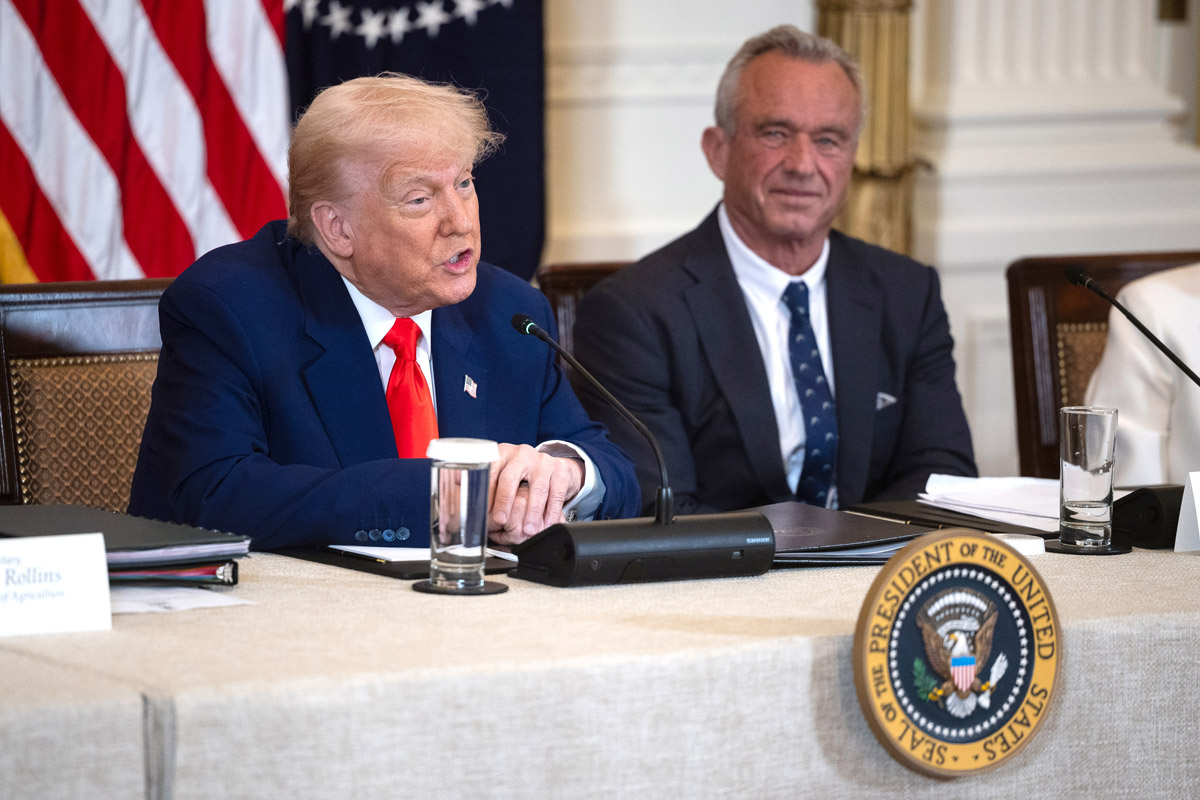
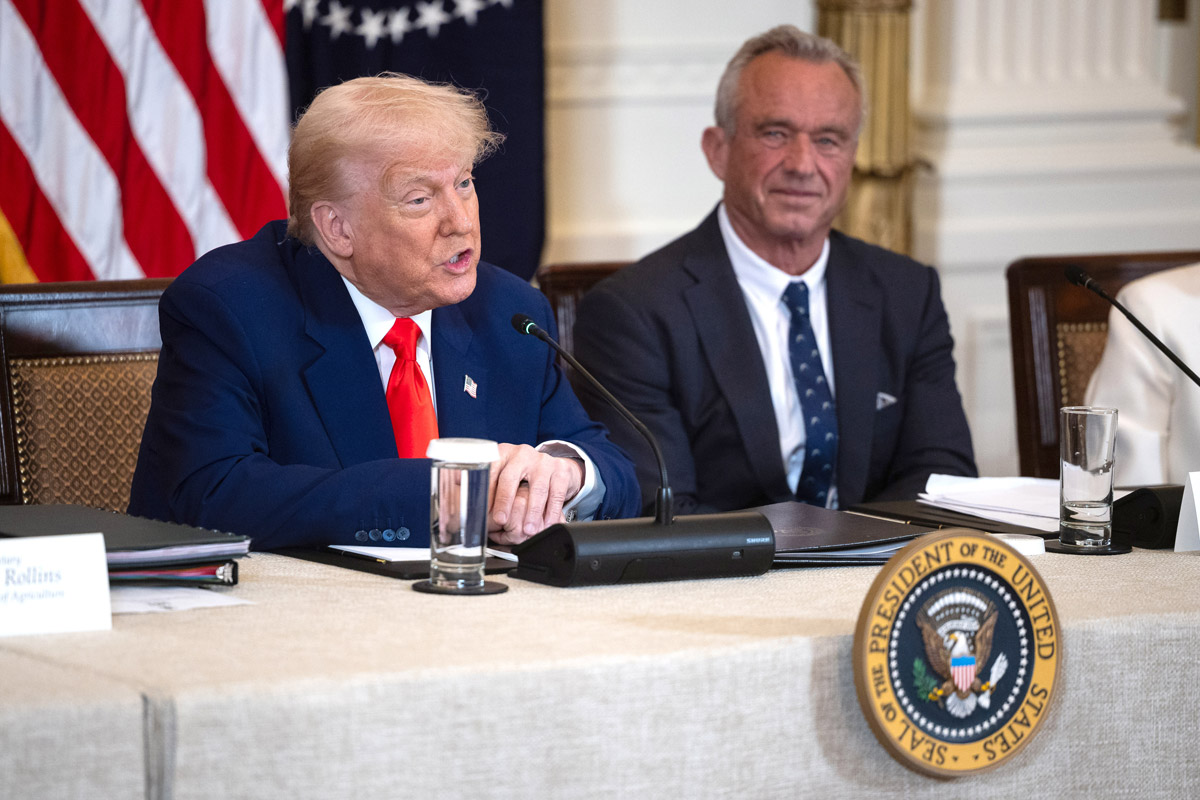
We have as the head of Health and Human Services a man who loves drinking and swimming in disease-infested fluids, nearly wiped out Samoa with his anti-vaxx dingbat propaganda, and, let it never be forgotten, has a dead worm in his so-called brain. The Republican committee chairman who oversaw RFK Jr.’s confirmation hearing is a doctor, and still let RFK through. Ever since then, Secretary Brain Worm has been busy gutting the personnel of all our health agencies, dismantling the advisory committees that determine which vaccines to develop for the coming season, maligning people with autism, and ushering the US towards the worst measles outbreak this century. But there’s no rest for the wearisome; on Tuesday, RFK announced he was canceling 22 contracts worth about $500 million related to mRNA vaccines. The projects had previously been funded by HHS’s Biomedical Advanced Research and Development Authority (BARDA). Actual experts, of which RFK is not, are calling the cuts dangerous.

It’s like our fire departments were just disbanded: “This isn’t just about vaccines,” Rick Bright, who directed BARDA from 2016 to 2020, said in a text message. “It’s about whether we’ll be ready when the next crisis hits. Cutting mRNA development now puts every American at greater risk. The Covid pandemic showed us what’s possible when science moves fast,” he added. “Dismantling that momentum now is like disbanding the fire department because the fire’s out.”

RFK croaks about mRNA: “After reviewing the science and consulting top experts at NIH and FDA, HHS has determined that mRNA technology poses more risks than benefits for these respiratory viruses,” Kennedy said in a video announcement on X. “Let me be absolutely clear, HHS supports safe, effective vaccines for every American who wants them,” he added. “That’s why we’re moving beyond the limitations of mRNA for respiratory viruses and investing in better solutions.”

A fact check by Moderna: HHS said in its initial press release on Tuesday that BARDA was terminating an award to the University of Texas Medical Branch and the biotechnology company Moderna to develop an mRNA-based vaccine for H5N1, the strain of bird flu that has infected dozens of people in the United States. But a Moderna spokesperson said on Wednesday the contract was canceled in May. HHS has since amended its press release to say that it is “restructuring” collaborations that affect Moderna’s research on nucleic acid-based vaccines.

RFK doesn’t understand how mRNA works at all: “That’s exactly why mRNA is so valuable: It’s the only platform where you can actually update the vaccine really quickly,” said Dr. Jake Scott, an infectious disease specialist at Stanford Medicine. Terminating mRNA contracts under BARDA is “a very misguided, irresponsible and I would say reckless move,” Scott said. “It really does reveal a fundamental misunderstanding of how vaccines work and how a vaccine against a respiratory virus in particular should be expected to work.”

Back to old technology: Kennedy said Tuesday that the BARDA funding would be shifted “toward safer, broader vaccine platforms that remain effective even as viruses mutate,” such as whole-virus vaccines, which use weakened or deactivated versions of viruses to trigger immune responses. Dr. Paul Offit, director of the Vaccine Education Center at Children’s Hospital of Philadelphia, said whole-virus vaccines have been around since the late 1800s, noting that “we make safer, better vaccines” today due to technological advances. The slashing of mRNA contracts is “yet another policy decision engineered by our Secretary of Health and Human Services that is not science-based,” Offit said. “That’s a dangerous thing to do.”

[From NBC News]

You guys, the sycophants running HHS’s comms can’t even keep track of their misdeeds in their press releases. HHS: “We’re terminating Moderna’s mRNA bird flu vaccine!” Moderna: “You did that three months ago.” I know it’s not the worst crime HHS is committing here, but it’s killing me nonetheless. RFK has shown he doesn’t have any understanding of how the mRNA technology works — twisting the fact that mRNA is mutation-specific into somehow being a bad thing is just plain asinine. Yes, it’s specific to certain strains; AND it’s the most easily updated vaccine technology we have, that can be reprogrammed to combat new strains as they arrive. Plus how rich is it that RFK is now trying to pass himself off as supportive of “safer, broader” vaccines? Ultimately, though, I don’t even buy it. I think singling out mRNA is just his first move towards achieving his dream of tanking vaccines altogether.

But I expect all this from RFK. I’d like to hear what Senator Doctor Bill Cassidy has to say for himself and his ill-advised confirmation of RFK now.

Embed from Getty Images

photos credit: Francis Chung/POOL via CNP/INSTARimages.com, Getty and via Instagram

Categories
Birds Peter Jackson Science

Peter Jackson plans to bring back extinct giant bird species with biotech company


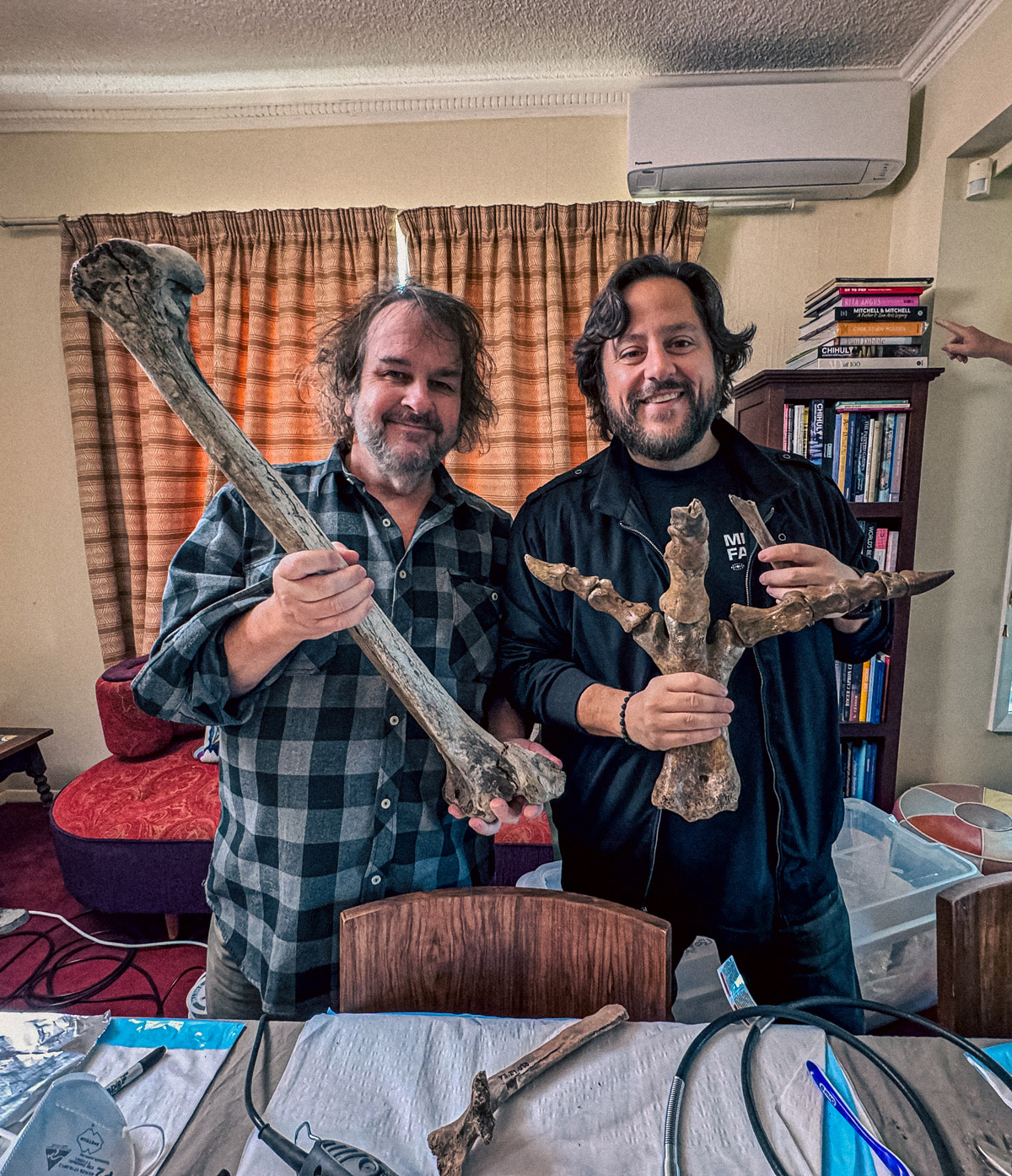
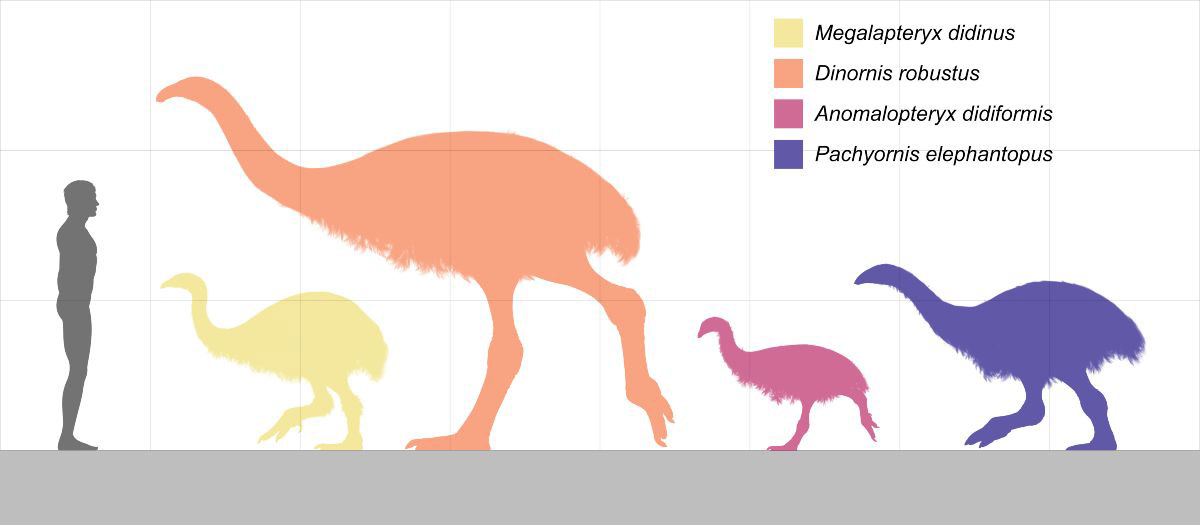
One of the best parts of John Oliver rigging New Zealand’s Bird of the Century contest in 2023 (aside from absolutely everything about it), was getting to see all the fabulously plumed creatures. There’s the kea, kākā, takahe, weka, those frisky kākāpōs (iykyk), Oliver’s winner, the noble pūteketeke, and of course, the kiwi — just to name a few! But one bird wasn’t seen, despite being an emblem of native New Zealand fauna: the moa. Why the shameful snub?! Well, we killed them. Nine species of moa had the run of the islands for thousands of years, ranging in sizes from turkey to 12 feet. So, taller and larger than an ostrich. And like ostriches, the moa were flightless, though one of their unique features was no vestigial wings. Then humans showed up and moa were hunted to extinction within a century… until now? Filmmaker and First Son of New Zealand Peter Jackson has perhaps the largest private collection of moa bones, and he just announced a partnership with Colossal — the biotech company that recently resurrected the dire wolf — to give moa the same de-extinction treatment:

On Tuesday, Colossal Biosciences announced an effort to genetically engineer living birds to resemble the extinct South Island giant moa — which once stood 12 feet (3.6 meters) tall — with $15 million in funding from Jackson and his partner Fran Walsh. The collaboration also includes the New Zealand-based Ngāi Tahu Research Center.

“The movies are my day job, and the moa are my fun thing I do,” said Jackson. “Every New Zealand schoolchild has a fascination with the moa.”

Outside scientists say the idea of bringing back extinct species onto the modern landscape is likely impossible, although it may be feasible to tweak the genes of living animals to have similar physical traits. Scientists have mixed feelings on whether that will be helpful, and some worry that focusing on lost creatures could distract from protecting species that still exist.

The moa had roamed New Zealand for 4,000 years until they became extinct around 600 years ago, mainly because of overhunting. A large skeleton brought to England in the 19th century, now on display at the Yorkshire Museum, prompted international interest in the long-necked bird.

Unlike Colossal’s work with dire wolves, the moa project is in very early stages. It started with a phone call about two years ago after Jackson heard about the company’s efforts to “de-extinct” — or create genetically similar animals to — species like the woolly mammoth and the dire wolf.

Then Jackson put Colossal in touch with experts he’d met through his own moa bone-collecting. At that point, he’d amassed between 300 and 400 bones, he said.

In New Zealand, it’s legal to buy and sell moa bones found on private lands, but not on public conservation areas — nor to export them.

The first stage of the moa project will be to identify well-preserved bones from which it may be possible to extract DNA, said Colossal’s chief scientist Beth Shapiro.

Those DNA sequences will be compared to genomes of living bird species, including the ground-dwelling tinamou and emu, “to figure out what it is that made the moa unique compared to other birds,” she said.

…The direction of the project will be shaped by Māori scholars at the University of Canterbury’s Ngāi Tahu Research Center. Ngāi Tahu archaeologist Kyle Davis, an expert in moa bones, said the work has “really reinvigorated the interest in examining our own traditions and mythology.”

At one of the archaeological sites that Jackson and Davis visited to study moa remains, called Pyramid Valley, there are also antique rock art done by Māori people — some depicting moa before their extinction.

[From HuffPost]

So, these guys are going full steam ahead with genetically engineering not just any extinct moa, but the giant 12-foot-tall/500 pound variety. Have they learned NOTHING from Jurassic Park?! Cause unlike the dire wolf, with moa we’re talking about birds, who we know are the descendants of dinosaurs. And again, not just any bird, but the giant freakin’ moa, who looks like an apatosaurus on stilts! Heck, the giant moa’s scientific name is even Dinornis robustus! Am I the only one who feels like we’re gleefully careening into a Greek tragedy about hubris?! All right, I’ll get off my shrill soap box now. But I’m not the only one with concerns; the full article includes quotes from scientists (not working on the project, obviously) raising practical questions like, where will these franken-moa creatures live after being hatched in the lab? And should we really be de-extincting animals when we, um, don’t exactly have a secure hold on current species surviving what we’ve already wrought on this planet? To what end is this application of genetic science useful?

Embed from Getty Images

Photos credit: User PaleoNeolitic on Wikipedia, Colossal Biosciences/Cover Images, Getty

Categories
fitness health Science

Study shows that strength training can make you biologically younger


Last summer, we talked about how Brooke Burke was promoting strength training for women of a certain age. Having just turned 40, I appreciated the comments that you were doing strength training and loving it. Well, I’ve got some good news for you! A new study out of Brigham Young University found that 90 minutes of strength training per week can take four years off of your biological age. There were 5,000 participants, all between 20-69 years old.

The science behind it: For the study, researchers looked at the length of the participants’ telomeres, which are protective DNA caps at the ends of chromosomes, through blood testing. (Telomeres help prevent your DNA from getting damaged, among other things, and are usually measured in biological aging.) The participants were also asked how often they worked out, including how often they did strength training. Ultimately, the researchers discovered that doing 90 minutes a week of strength training was linked with nearly four years less biological aging. Meaning, if you did 180 minutes a week of strength training, you could cut your biological age by up to eight years.

The takeaways: The findings actually line up well with current exercise guidelines in the U.S. The current Physical Activity Guidelines for Americans recommend that adults get at least 150 minutes of moderate-intensity physical activity a week, with at least two days of muscle-strengthening activity in the mix weekly.

The link with aging: The researchers broke it down in the study, noting that strength training “mitigates some of the damage caused by such chronic diseases, reversing muscle loss, raising resting metabolic rate, promoting fat loss, and improving cardiovascular health.” As a result, it may “limit disease and slow the aging of cells.”

Easy ways to start strength training: “You don’t need weights beyond body weight to start strength training,” Matheny says. “Start with body weight stuff.” He suggests starting your routine by focusing on larger muscle groups, like your legs and glutes. That means doing things like lunges, squats, walking lunges, step-ups, and step-back lunges. “Those are the easiest things to do that recruit large muscle groups,” he says.

Upper body work: To work your upper body, try push-ups and pull-ups. “For push-ups, you can start with a plank—that is strength training,” Matheny says. You can do kneeling push-ups if a full push-up feels like too much. “For pull-ups you can use a band [for assistance] and work your way up,” he says. To challenge yourself, simply add more reps, step higher, or use less aids to get the full body resistance, Matheny says. “When you’ve tapped out on that, start adding some weights. Then, ideally, you get to the gym.”

[From Women’s Health Mag]

This is awesome news. We’re always being told the things that take years off of our life, but it’s cool to get actual scientific confirmation. I’ve heard trainers and instructors say that push-ups and planks are the best exercises you can do for full-body strength. They always say, “Great core workout!” From the results I’ve gotten, I believed them, but now it makes sense as to why they’re so good for you. I love knowing the actual science behind claims like this. I find it so motivating to know the “how” in addition to the “why.” Exercise in general is great for mental health as well. Endorphins, baby! Last summer, I was trying to switch from my decades-long cardio heavy workout routines to put more of a focus on strength training. I’ve taken Pure Barre classes on and off since 2011, but my bank account needed a break, so I was doing E2M circuits, Apple Fitness , and YouTube videos. I did well for a while but fell out of it around the holidays. I need to get back on the horse.

Photos credit: Jesse Bauer/startraksphoto.com, Sophie Fritz/startraksphoto.com and via Instagram

Categories
Coffee health Science

Drinking one to three cups of coffee a day could help women age better


Mornings are rough for this night owl. When the alarm shocks me into semi-consciousness and I come crashing back down into what passes for reality in these times, my first rudimentary thought is always, “Coffee. Where. Find. NOW.” Half the time the drink doesn’t even satisfy, and I have to grab water for the real quench my body is seeking. Yet the compulsion is so strong between waking and sniffing out where/when/how to get my java fix. Well, good news for us addicts enthusiasts: a new study says drinking one to three small cups of coffee a day helps women age better, huzzah! (Sorry Pedro Pascal, your daily six shots of espresso are still medically unsound.) Research for the study was led by Dr. Sara Mahdavi at Harvard, and the findings were presented at an American Society for Nutrition convention on Monday. Pour yourself a cup and let these stats percolate:

Ladies first: Following 30 years of analyzing almost 50,000 women’s dietary habits, researchers determined that a morning cup of coffee “might do more than boost energy; it could also help women stay sharp, strong and mentally well as they age,” according to a press release. Data from women who were part of the Nurses’ Health Study began to be collected in 1984. When they enrolled, the participants were aged between 45 and 60 and filled out surveys providing details about their diet and health.

How the test was run: “The researchers assessed caffeine intake using validated food frequency questionnaires that included consumption of top contributors of caffeine such as coffee, tea, cola and decaffeinated coffee,” according to the press release. “Healthy aging was defined as living to age 70 or older, being free from 11 major chronic diseases, maintaining physical function, having good mental health, exhibiting no cognitive impairment and showing no memory complaints,” it added.

1-3 daily cups of coffee supported healthy aging: Researchers found that “healthy agers” typically consumed an average of 315 mg of caffeine per day — roughly the amount of three small cups of coffee or one and a half large cups by today’s standards. “More than 80% of that caffeine came from regular coffee consumption,” per the press release. “For women in the healthy agers group, each extra cup of coffee per day was tied to a 2% to 5% higher chance of doing well later in life.” … “Women who drank one to three cups of caffeinated coffee per day in their 50s were more likely to reach older age free from major chronic diseases and with good cognitive, physical, and mental health,” Mahdavi said of the study, according to the outlet.

Not all caffeines are created equal: “The health benefits appeared specific to coffee, rather than caffeine more broadly,” Mahdavi told the outlet, adding, “We didn’t see the same associations with decaf coffee, tea or caffeinated soda — suggesting that coffee’s unique combination of bioactive compounds may play a key role.”

Some caffè caveats: “Moderate coffee intake may offer some protective benefits when combined with other healthy behaviors, such as regular exercise, a healthy diet and avoiding smoking,” Mahdavi said, per Fox News Digital. “We don’t recommend starting coffee if you don’t already drink it or if you’re sensitive to caffeine. But for people who already consume moderate amounts — typically two to four cups per day — this study adds to the evidence that coffee can be part of a healthy lifestyle,” she added.

[From People]

Hold the mug, I’m a little confused: “Each extra cup of coffee per day was tied to a 2% to 5% higher chance of doing well later in life.” Are the extra cups they’re talking about the second and third cups, or are they talking about an extra 2-5% bump for any coffee beyond that third cup? And why aren’t we measuring in ounces?! I went to the original press release, and the rest of the sentence (that People Mag didn’t excerpt) continues with, “up to five small cups per day, or about 2.5 cups according to today’s measures.” So yes? The 2-5% higher chance of doing well refers to cups four and five? I’m still unsure, clearly I haven’t had enough coffee. Also, we all take our coffee differently. How do the endless varieties of milks, sugars, and sweeteners affect these results?

All in all, though, after the onslaught of studies that were telling us to reduce, delay, or eliminate coffee altogether, it’s refreshing to have other research stirring the pot in support of the potent brew. And to have this study be specifically about women?! Well, yes, it made me glad. But then I became worried that highlighting the benefit for women would trigger republicans into banning coffee outright in America, rather than letting us have a win. I’m pretty bitter these days, like my coffee.

Photos credit: Mike Jones, RDNE Stock Project and Clementina Toso on Pexels

Categories
health politics Science

Trump admin cancels contract with Moderna for bird flu vaccine


A perfect storm has been brewing with health, politics, and the economy all crashing together at the center. Folks, it’s time to batten down the hatches, because we’re about to face this mess with fewer resources than we’ve ever had before. So here’s the story: the price of eggs played a significant role in the Mango Taco getting back into office. A contributing factor to the high prices has been a bird flu epidemic on the rise since 2022. Fun fact: the oldest way of manufacturing flu vaccines is to grow the virus in eggs; it allows the virus to replicate and then be inactivated, thus safe to inject and inoculate. Lucky for us, scientists have been developing mRNA vaccine technology for decades, which is what allowed Pfizer and Moderna to roll out the Covid vaccines as swiftly as they did. Well, the Department of Health & Human Services may have kneecapped the CDC’s communications team, but they made sure to get the word out on Wednesday that they’re canceling a $766 million contract with Moderna for a bird flu vaccine that was being developed using mRNA.

“After a rigorous review, we concluded that continued investment in Moderna’s H5N1 mRNA vaccine was not scientifically or ethically justifiable,” HHS Communications Director Andrew Nixon said in a statement.

“This is not simply about efficacy — it’s about safety, integrity, and trust. The reality is that mRNA technology remains under-tested, and we are not going to spend taxpayer dollars repeating the mistakes of the last administration, which concealed legitimate safety concerns from the public,” Nixon said.

He added that “the move signals a shift in federal vaccine funding priorities toward platforms with better-established safety profiles and transparent data practices. HHS remains committed to advancing pandemic preparedness through technologies that are evidence-based, ethically grounded, and publicly accountable.” The official did not provide any additional details.

Jennifer Nuzzo, the director of Brown University’s Pandemic Center, said the decision was “disappointing, but unsurprising given the politically-motivated, evidence-free rhetoric that tries to paint mRNA vaccines as being dangerous.”

“While there are other means of making flu vaccines in pandemic, they are slower and some rely on eggs, which may be in short supply,” Nuzzo added in an email. “What we learned clearly during the last influenza pandemic is there are only a few companies in the world that make flu vaccines, which means in a pandemic there won’t be enough to go around. If the U.S. wants to make sure it can get enough vaccines for every American who wants them during a pandemic, it should invest in multiple types of vaccines instead of putting all of our eggs in one basket.”

The cancellation comes even though Moderna says a study involving 300 healthy adults had produced “positive interim” results and the company “had previously expected to advance the program to late-stage development.”

…According to the Centers for Disease Control and Prevention, the H5N1 flu virus has spread to 1,072 dairy herds, more than 173 million poultry, and caused 70 human cases. While the virus has had a high mortality rate in other countries, so far H5N1 has only caused one death in the U.S. and has not shown any signs of spreading easily from one person to another. But infectious disease experts are concerned that the more the virus spreads, the greater the chance it could mutate into a form that would spread from person to person, which would increase the risk of a pandemic.

[From NPR]

“The reality is that mRNA technology remains under-tested, and we are not going to spend taxpayer dollars repeating the mistakes of the last administration…” Ok, first of all, mRNA technology has been researched and tested for longer than Trump has dabbled in politics — by a couple decades. Second, the Covid vaccine was developed under Trump’s first term!!! Operation Warp Speed, remember?! Trump was squawking with the CDC to get the vaccines out in time to be his 2020 October Surprise, and then after he lost the election he was still pushing for it to be called “the Trump Vaccine.” (Barf) These f–king idiots.

I must applaud the elegant way in which Jennifer Nuzzo took a hatchet to HHS’s lies, complete with delicious egg references throughout. Her final caution against “putting all of our eggs in one basket” in particular was the icing on the cake. Or poached egg on an English muffin, as it were. The way Nuzzo also slid in that line that eggs “may be in short supply” was likewise, perfection. But it’s also the fraught position in which we find ourselves: eggs are in short supply in America — enough that people are stealing them off trucks — and this administration just cut us off from a viable, totally sound alternative.

Which came first: the chicken, or the eggheads running our government… into the ground.

Embed from Getty Images

Samuel Corum/POOL via CNP/INSTARimages.com, Niyi Fote/TheNews2/Cover Images, Getty and via Instagram

Categories
health Science

A non-hormonal male contraceptive implant is in trials in the US


A few years ago, a company named Contraline made headlines after they announced that they were developing a new form of male contraception called “Adam.” Adam is a non-hormonal contraceptive that basically acts like an IUD for men. It gets implanted into the sperm ducts and is supposed to prevent sperm from mixing with semen. Much like an IUD, it’s being touted as a “reversible alternative” to getting a vasectomy. Unlike an IUD, which can last for a minimum of five years, Adam is good for 24 months before it dissolves within the body. It’s currently undergoing clinical trials, which confirm the 24-month effectiveness and have thus far found “no serious adverse events.”

The details: An implantable, non-hormonal male contraceptive has been shown in trials to last for at least two years. The contraceptive, known as Adam, is a water-soluble hydrogel that is implanted in the sperm ducts, preventing sperm from mixing with semen. The company behind the product, Contraline, says the approach offers a reversible alternative to condoms and vasectomies, with the hydrogel designed to break down in the body after a set period of time, restoring fertility.

Phase 1 results: Contraline has released details of its phase 1 clinical trial, revealing Adam can successfully block the release of sperm for 24 months, with no sperm detected in the semen of the two participants who have so far reached this time point in the trial. In addition, it said no serious adverse events had been recorded. “This is really exciting because our goal since day one has been to create a two-year-long male contraceptive – that is what the demand is for: a two-year-long, temporary or reversible male birth control. And we have the first data to show that that’s possible,” said Kevin Eisenfrats, the founder and chief executive of Contraline.

A ‘minimally invasive’ placement: Eisenfrats said the 25 participants in the clinical trial were enrolled at different points in time, with more results expected to follow. “It’s great proof of concept,” he added. Eisenfrats said the implant was inserted in a minimally invasive procedure that took about 10 minutes and used local anaesthetic, meaning the patient remained awake.

The issues with similar contraceptives before it: Adam is not the first male contraceptive in development that acts by blocking the sperm ducts (vas deferens), although Eisenfrats said some other implants had used materials that did not break down in the body. He said there was little data to show fertility was restored after these were removed, while there were also concerns such implants could cause scarring of the vas deferens and lead to permanent sterilisation.

An IUD for men: “The way to think about this is sort of like the IUD [intrauterine device] for men,” Eisenfrats said, adding that after a two-year period men could decide whether to get another implant. The team is working on a procedure to enable “on-demand reversal”. Eisenfrats said sperm tests could be used by men at home to check whether the contraceptive was still effective. Contraline said it was expecting to begin a phase 2 clinical trial in Australia later this year involving 30 to 50 participants.

Promising results: Prof Richard Anderson, an expert in hormonal male contraception at the University of Edinburgh, welcomed the findings. “It’s impressive that this looks like something that does actually work, which is great,” he said. ‘We’ve now got hormonal and non-hormonal methods in advanced clinical development, which is potentially a much better position than we’ve been in previously in terms of actually getting something on the market for men to really use.”

Still waiting on some important results: The results from the Adam clinical trial have not yet been published in a peer-reviewed journal and do not include data on the reversibility of the implant. However, Eisenfrats said the hydrogel had a predictable lifespan and had been shown to break down over time in animal trials, with work using lower doses in men revealing a shorter period of efficacy…But Anderson and Prof Jon Oatley, of Washington State University, said at present no data had been released showing the reversibility of the Adam implant, and it remained unclear how long a single implant lasted. Anderson also said it had yet to be shown that the implant could be removed, while Oatley said the long-term ramifications of blocking the vas deferens were unknown.

Will men want an implant?: Oatley said that while the Adam implant could be a strong contraceptive option for men, uptake may be limited. “Given a choice of a pill, patch, injectable or surgery, I believe that most men would choose pill or patch over surgery,” he said.

[From The Guardian]

Hey, this is really cool that they’re working on something like this, and that it’s got such promising results. It’s sad/funny that men are automatically going to be offered local anesthesia (as they should be) when most OBGYN’s don’t extend the same courtesy to women when it comes to IUD insertion and removal. I think it’s also worth noting that last year, another, non-surgical male contraceptive gel that mixes testosterone with another hormone called Nesterone to suppress sperm production underwent clinical testing. It merely involved rubbing the gel into a man’s shoulder. And of course, there’s always good old-fashioned condoms and a vasectomy.

The options are there to put the onus for birth control on a man. While I think that some men may be persuaded by the temporary aspect of this implant, I’m still not very optimistic that it will ever actually catch on and become mainstream. Maybe it would have more of a shot if TikTok influencers made it a thing, but I just can’t see most men being bothered to do this when for so long, society has made contraception the woman’s burden/responsibility. Heck, women can’t even get the majority of young men to care enough to vote for our own reproductive healthcare. That said, I appreciate that there are still companies that are out there, still trying to make different types of male contraception happen.

Photos are stock from Mâide Arslan, Andrea Piacquadio and Chermiti Mohamed on Pexels