
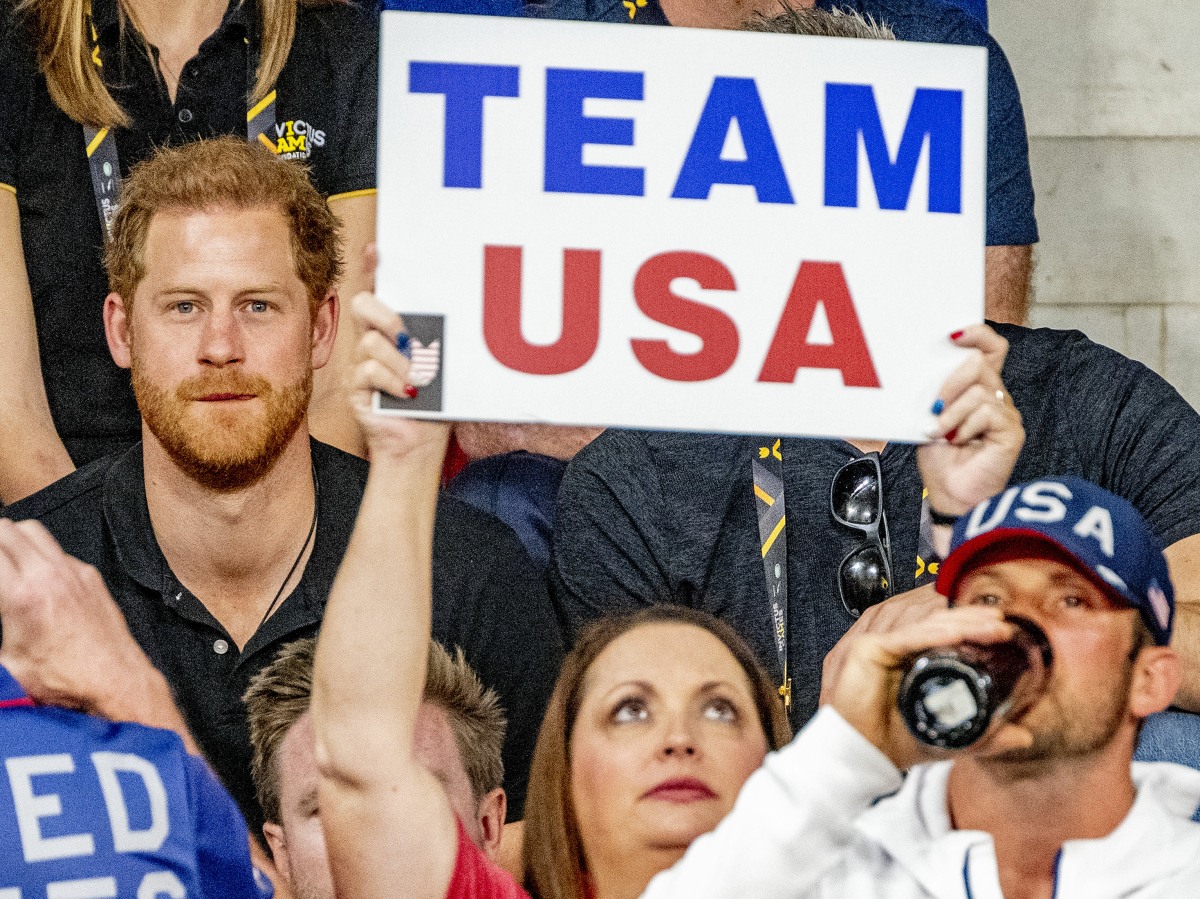
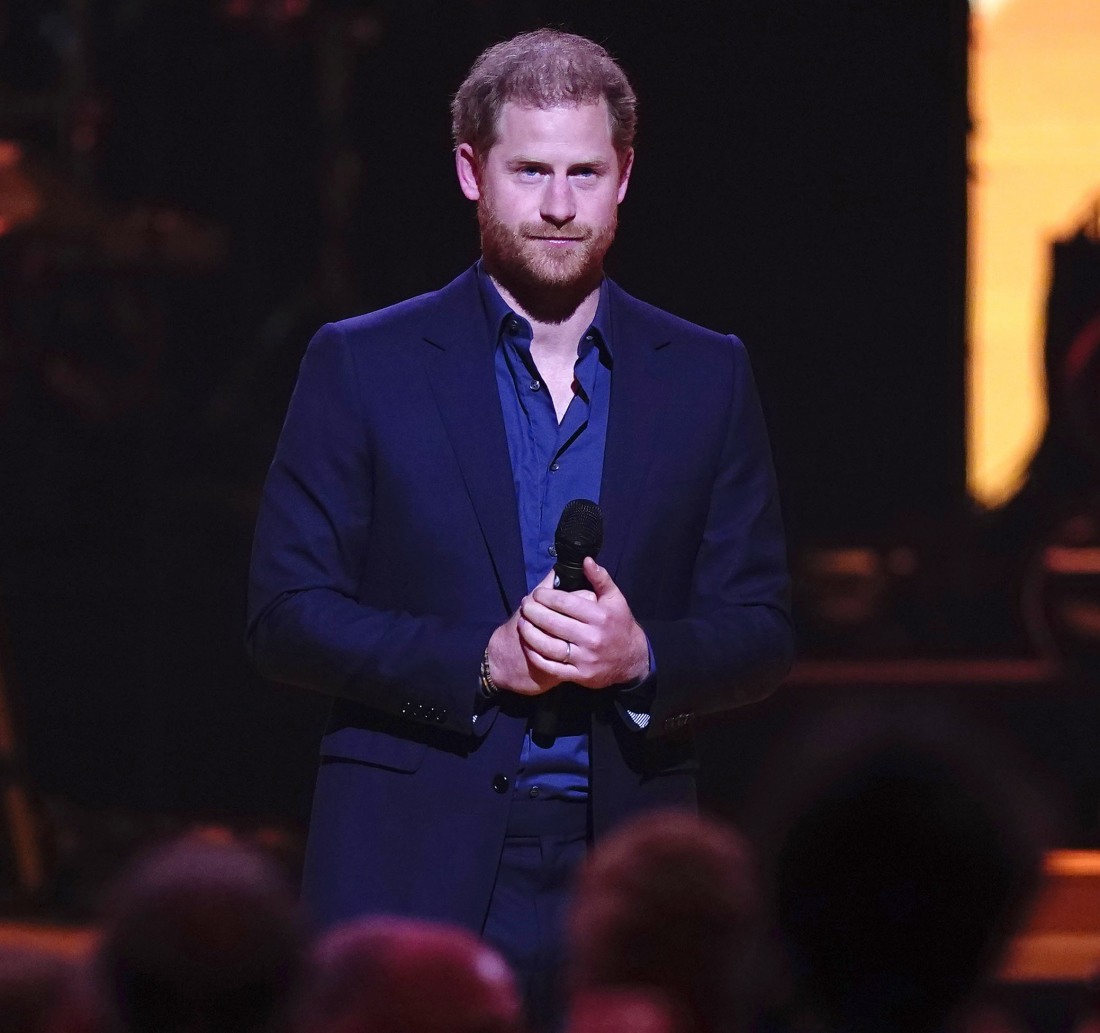
I haven’t looked at the British media coverage of this yet, but I’m excited to see how my predictions stack up. Prince Harry did a podcast interview with Reid Hoffman at Masters of Scale. The discussion was about mental health, therapy and veterans. My predictions: the headlines will be about “Woke Harry dropping Truth Bombs” and “Mentally Fragile Harry making dark confessions about his weak mind” and “Harry talks too much, no one cares, when will he ever shut up!” When really, Harry was engaged in a substantive discussion normalizing mental health discussions and people seeking mental health treatment. Some highlights:
Harry on how therapy is pretty common & normalized in California: “You’re absolutely right, Reid, about the cultural differences, they’re immense. You talk about it here in California, ‘I’ll get my therapist to call your therapist.’ Whereas in the U.K. it’s like, ‘Therapist? What therapist? Whose therapist? I don’t have a therapist. No, I definitely don’t, I’ve never spoken to a therapist.’”
Through therapy, Harry said he gained “one of the biggest lessons” in his life. “You’ve sometimes got to go back and to deal with really uncomfortable situations and to be able to process it in order to be able to heal. For me, therapy has equipped me to be able to take on anything. That’s why I’m here now. That’s why my wife is here now.”
His role with BetterUp: “The chief impact officer role for me at BetterUp is 100% about driving advocacy and awareness for mental fitness. 99.9% of people on planet Earth are suffering from some form of loss, trauma, or grief. It doesn’t matter what age you are, but the majority of us have experienced a lot of that in our younger years, therefore we’ve forgotten about it. Now, the body doesn’t forget, the body holds the score as we know. And therefore just as much as there’s a mental health aspect to it, there’s also the emotional aspect to it as well. And I think the more that we can talk about it, the more we understand it. The more we understand it, well, the more we understand each other.”
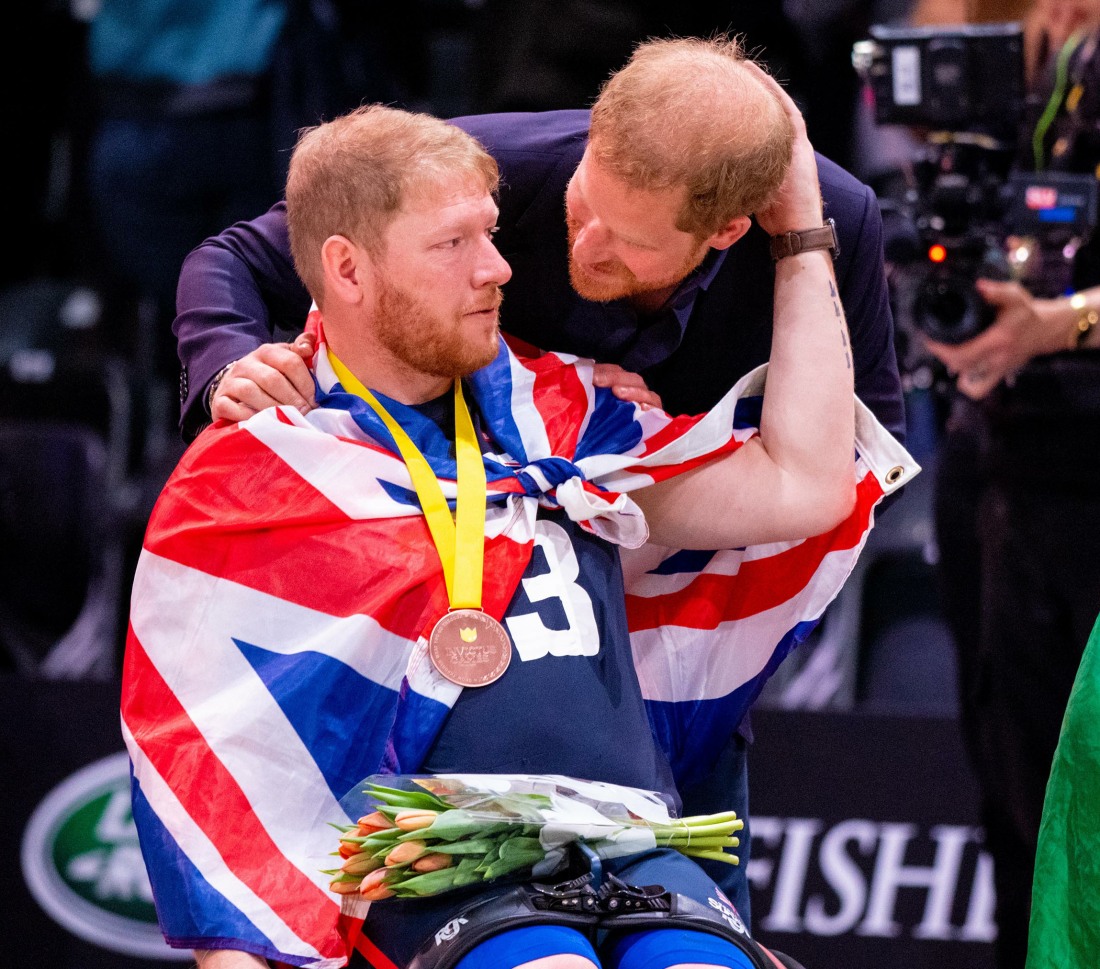
The link between physical fitness and mental wellbeing. He recounted meeting a soldier suffering from post-traumatic stress disorder (PTSD) who was “physically shaking” and “unable to look me in the eye.” However, when the soldier returned from a ski trip, Prince Harry was amazed by his change. “It was maybe four months later or six months later after he came back from a ski trip, had basically almost completely healed him. He came back, and he was a different person, it was like I was speaking to his twin brother. But it wasn’t, it was the same guy. That’s the power of sport. It literally has the ability to completely transform an individual.”
Shifting the mindset: “Why do we keep calling it PTSD? Why do we keep calling it a disorder? If you’re going to turn around to someone and label them with a disorder, that’s them screwed for the rest of their life. Why are we not calling it PTSI? It should be an injury. And if you’re telling someone that they’ve got an injury, then guess what they’re going to do? They’re going to try and get better.”
That’s an interesting linguistic argument, that it should be post-traumatic stress injury and not post-traumatic stress disorder. I think there’s probably a clinical, medical, DSM (Diagnostic and Statistical Manual of Mental Disorders) reason for that. As for Harry and his commitment to being a mental health advocate, he’s great at it. This was never just a “soft” issue for him, something handed to him as an issue when he was a working royal. This has been his interest for years, not only healing himself and understanding his own journey, but trying to help other people, especially veterans.
Photos courtesy of Backgrid and Instar.
-
-
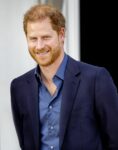
Netherlands and France Out – The Hague, Netherlands -20220421-
Prince Harry watches the Powerlifting contest during the 5th Invictus Games at Zuiderpark
-PICTURED: Prince Harry
-PHOTO by: Dutch Press Photo/Cover Images/INSTARimages.com
-51438029.jpgThis is an editorial, rights-managed image. Please contact Instar Images LLC for licensing fee and rights information at [email protected] or call 1 212 414 0207 This image may not be published in any way that is, or might be deemed to be, defamatory, libelous, pornographic, or obscene. Please consult our sales department for any clarification needed prior to publication and use. Instar Images LLC reserves the right to pursue unauthorized users of this material. If you are in violation of our intellectual property rights or copyright you may be liable for damages, loss of income, any profits you derive from the unauthorized use of this material and, where appropriate, the cost of collection and/or any statutory damages awarded
-
-
USA Rights Only, The Hague, Netherlands – 20220422-
Prince Harry and King Willem-Alexander attend the wheelchair basketball final at the Invictus Games.
-PICTURED: Prince Harry
-PHOTO by: DDP/PPE/Nieboer/INSTARimages.com
-ddp_17071906This is an editorial, rights-managed image. Please contact Instar Images LLC for licensing fee and rights information at [email protected] or call 1 212 414 0207 This image may not be published in any way that is, or might be deemed to be, defamatory, libelous, pornographic, or obscene. Please consult our sales department for any clarification needed prior to publication and use. Instar Images LLC reserves the right to pursue unauthorized users of this material. If you are in violation of our intellectual property rights or copyright you may be liable for damages, loss of income, any profits you derive from the unauthorized use of this material and, where appropriate, the cost of collection and/or any statutory damages awarded
-
-
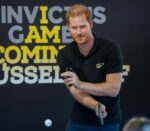
North America Rights Only – The Hague, Netherlands -20220419-
Prince Harry plays table tennis at the Dusseldorf 2022 stand during the Invictus Games at Zuiderpark
-PICTURED: Prince Harry
-PHOTO by: Aaron Chown/PA Images/INSTARimages.comDisclaimer:
This is an editorial, rights-managed image. Please contact INSTAR Images for licensing fee and rights information at [email protected] or call 1 212 414 0207. This image may not be published in any way that is, or might be deemed to be, defamatory, libelous, pornographic, or obscene. Please consult our sales department for any clarification needed prior to publication and use. INSTAR Images reserves the right to pursue unauthorized users of this material. If you are in violation of our intellectual property rights or copyright you may be liable for damages, loss of income, any profits you derive from the unauthorized use of this material and, where appropriate, the cost of collection and/or any statutory damages awarded
For images containing underage children: Be advised that some Countries may have restricted privacy laws against publishing images of underage children. Inform yourself! Underage children may need to be removed or have their face pixelated before publishing
-
-
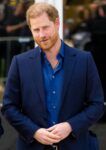
NOT AVAILABLE FOR PUBLICATION IN THE NETHERLANDS OR FRANCE – The Hague, The Netherlands -20220422-King Willem-Alexander and Prince Harry, Duke of Sussex watch the finals of wheelchair basketball during the Invictus Games
-PICTURED: Prince Harry
-PHOTO by: Dutch Press Photo/Cover Images/INSTARimages.com
-51441058.jpgThis is an editorial, rights-managed image. Please contact Instar Images LLC for licensing fee and rights information at [email protected] or call 1 212 414 0207 This image may not be published in any way that is, or might be deemed to be, defamatory, libelous, pornographic, or obscene. Please consult our sales department for any clarification needed prior to publication and use. Instar Images LLC reserves the right to pursue unauthorized users of this material. If you are in violation of our intellectual property rights or copyright you may be liable for damages, loss of income, any profits you derive from the unauthorized use of this material and, where appropriate, the cost of collection and/or any statutory damages awarded
-
-
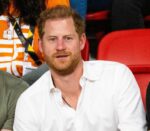
Netherlands and France Out – The Hague, Netherlands -20220421-
Prince Harry watches the Powerlifting contest during the 5th Invictus Games at Zuiderpark
-PICTURED: Prince Harry
-PHOTO by: Dutch Press Photo/Cover Images/INSTARimages.com
-51438051.jpgThis is an editorial, rights-managed image. Please contact Instar Images LLC for licensing fee and rights information at [email protected] or call 1 212 414 0207 This image may not be published in any way that is, or might be deemed to be, defamatory, libelous, pornographic, or obscene. Please consult our sales department for any clarification needed prior to publication and use. Instar Images LLC reserves the right to pursue unauthorized users of this material. If you are in violation of our intellectual property rights or copyright you may be liable for damages, loss of income, any profits you derive from the unauthorized use of this material and, where appropriate, the cost of collection and/or any statutory damages awarded
-
-
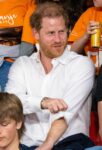
Netherlands and France Out – The Hague, Netherlands -20220421-
Prince Harry watches the Powerlifting contest during the 5th Invictus Games at Zuiderpark
-PICTURED: Prince Harry
-PHOTO by: Dutch Press Photo/Cover Images/INSTARimages.com
-51438044.jpgThis is an editorial, rights-managed image. Please contact Instar Images LLC for licensing fee and rights information at [email protected] or call 1 212 414 0207 This image may not be published in any way that is, or might be deemed to be, defamatory, libelous, pornographic, or obscene. Please consult our sales department for any clarification needed prior to publication and use. Instar Images LLC reserves the right to pursue unauthorized users of this material. If you are in violation of our intellectual property rights or copyright you may be liable for damages, loss of income, any profits you derive from the unauthorized use of this material and, where appropriate, the cost of collection and/or any statutory damages awarded
-
-
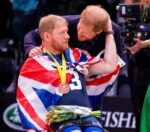
NOT AVAILABLE FOR PUBLICATION IN THE NETHERLANDS OR FRANCE – The Hague, The Netherlands -20220422-King Willem-Alexander and Prince Harry, Duke of Sussex watch the finals of wheelchair basketball during the Invictus Games
-PICTURED: Prince Harry
-PHOTO by: Dutch Press Photo/Cover Images/INSTARimages.com
-51441053.jpgThis is an editorial, rights-managed image. Please contact Instar Images LLC for licensing fee and rights information at [email protected] or call 1 212 414 0207 This image may not be published in any way that is, or might be deemed to be, defamatory, libelous, pornographic, or obscene. Please consult our sales department for any clarification needed prior to publication and use. Instar Images LLC reserves the right to pursue unauthorized users of this material. If you are in violation of our intellectual property rights or copyright you may be liable for damages, loss of income, any profits you derive from the unauthorized use of this material and, where appropriate, the cost of collection and/or any statutory damages awarded
-
-
NOT AVAILABLE FOR PUBLICATION IN THE NETHERLANDS OR FRANCE – The Hague, The Netherlands -20220422-King Willem-Alexander and Prince Harry, Duke of Sussex watch the finals of wheelchair basketball during the Invictus Games
-PICTURED: Prince Harry
-PHOTO by: Dutch Press Photo/Cover Images/INSTARimages.com
-51441073.jpgThis is an editorial, rights-managed image. Please contact Instar Images LLC for licensing fee and rights information at [email protected] or call 1 212 414 0207 This image may not be published in any way that is, or might be deemed to be, defamatory, libelous, pornographic, or obscene. Please consult our sales department for any clarification needed prior to publication and use. Instar Images LLC reserves the right to pursue unauthorized users of this material. If you are in violation of our intellectual property rights or copyright you may be liable for damages, loss of income, any profits you derive from the unauthorized use of this material and, where appropriate, the cost of collection and/or any statutory damages awarded
-
-
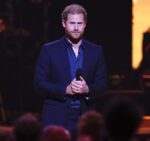
North America Rights Only – The Hague, The Netherlands -20220422-
The Duke of Sussex attends the Invictus Games closing ceremony at the Zuiderpark, in The Hague, Netherlands.
-PICTURED: Prince Harry
-PHOTO by: INSTARimages.comDisclaimer:
This is an editorial, rights-managed image. Please contact INSTAR Images for licensing fee and rights information at [email protected] or call 1 212 414 0207. This image may not be published in any way that is, or might be deemed to be, defamatory, libelous, pornographic, or obscene. Please consult our sales department for any clarification needed prior to publication and use. INSTAR Images reserves the right to pursue unauthorized users of this material. If you are in violation of our intellectual property rights or copyright you may be liable for damages, loss of income, any profits you derive from the unauthorized use of this material and, where appropriate, the cost of collection and/or any statutory damages awarded
For images containing underage children: Be advised that some Countries may have restricted privacy laws against publishing images of underage children. Inform yourself! Underage children may need to be removed or have their face pixelated before publishing
-
-
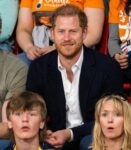
Netherlands and France Out – The Hague, Netherlands -20220421-
Prince Harry watches the Powerlifting contest during the 5th Invictus Games at Zuiderpark
-PICTURED: Prince Harry
-PHOTO by: Dutch Press Photo/Cover Images/INSTARimages.com
-51438033.jpgThis is an editorial, rights-managed image. Please contact Instar Images LLC for licensing fee and rights information at [email protected] or call 1 212 414 0207 This image may not be published in any way that is, or might be deemed to be, defamatory, libelous, pornographic, or obscene. Please consult our sales department for any clarification needed prior to publication and use. Instar Images LLC reserves the right to pursue unauthorized users of this material. If you are in violation of our intellectual property rights or copyright you may be liable for damages, loss of income, any profits you derive from the unauthorized use of this material and, where appropriate, the cost of collection and/or any statutory damages awarded
-
-
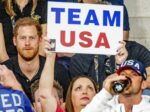
USA Rights Only, The Hague, Netherlands – 20220420-
Prince Harry fist bumps a United Kingdom supporter as he attends the Indoor Rowing competition during the Invictus Games at the Zuiderpark.
-PICTURED: Prince Harry
-PHOTO by: DDP/INSTARimages.com
-ddpimages_17059995This is an editorial, rights-managed image. Please contact Instar Images LLC for licensing fee and rights information at [email protected] or call 1 212 414 0207 This image may not be published in any way that is, or might be deemed to be, defamatory, libelous, pornographic, or obscene. Please consult our sales department for any clarification needed prior to publication and use. Instar Images LLC reserves the right to pursue unauthorized users of this material. If you are in violation of our intellectual property rights or copyright you may be liable for damages, loss of income, any profits you derive from the unauthorized use of this material and, where appropriate, the cost of collection and/or any statutory damages awarded