
In the lead-up to King Charles’s coronation, there was a lot of debate about whether the Chubbly should have been done as a smaller, cheaper affair. There were also debates about what the coronation would really cost the British taxpayer, especially with the expanded security costs for all of the visiting dignitaries. Plus, the coronation was a “bank holiday” in the UK, and Buckingham Palace and Downing Street swore up and down that the coronation would stimulate the local economy, especially in London, as people would naturally flock to see their septuagenarian king. Well, guess what? The British economy did not see a coronation boom. In fact, it saw a small retraction:
Britain’s economy shrank by 0.1% in May after a hit to activity from a trio of bank holidays, including for King Charles’s coronation.
The Office for National Statistics said that gross domestic product (GDP) fell on the month, after growth of 0.2% in April, as manufacturing, energy generation and construction all dropped as some industries were affected by one fewer working day than normal. City economists had forecast a bigger fall of 0.3%.
While coronation festivities helped to provide a boost for some businesses, the UK’s pubs, bars, and restaurants suffered a fall in consumer spending after a strong April, while employment agencies also struggled amid a slowdown in hiring demand. The arts, entertainment and recreation sectors benefited from the extra bank holiday, the ONS said.
The figures come as the Bank of England prepares to raise interest rates for a 14th consecutive time amid growing concern over high inflation, adding to pressure on households and businesses in a development expected to weigh on economic growth in the months ahead.
Well… there you go. Keep in mind, Charles himself supposedly rejected the idea of a budget coronation, although I think the government decided to do the expanded bank holiday. So much for “the coronation will stimulate the economy.” As I said at the time, it was especially bizarre because the king also asked the British people to commit to a day of service during the long weekend, meaning… unpaid labor. Many of the coronation workers were “volunteers” as well – more unpaid labor. The coronation could have stimulated the local economy but Charles didn’t want to pay anyone for their work, so there you go.
Photos courtesy of Avalon Red, Cover Images.
-
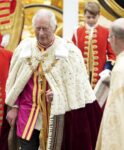
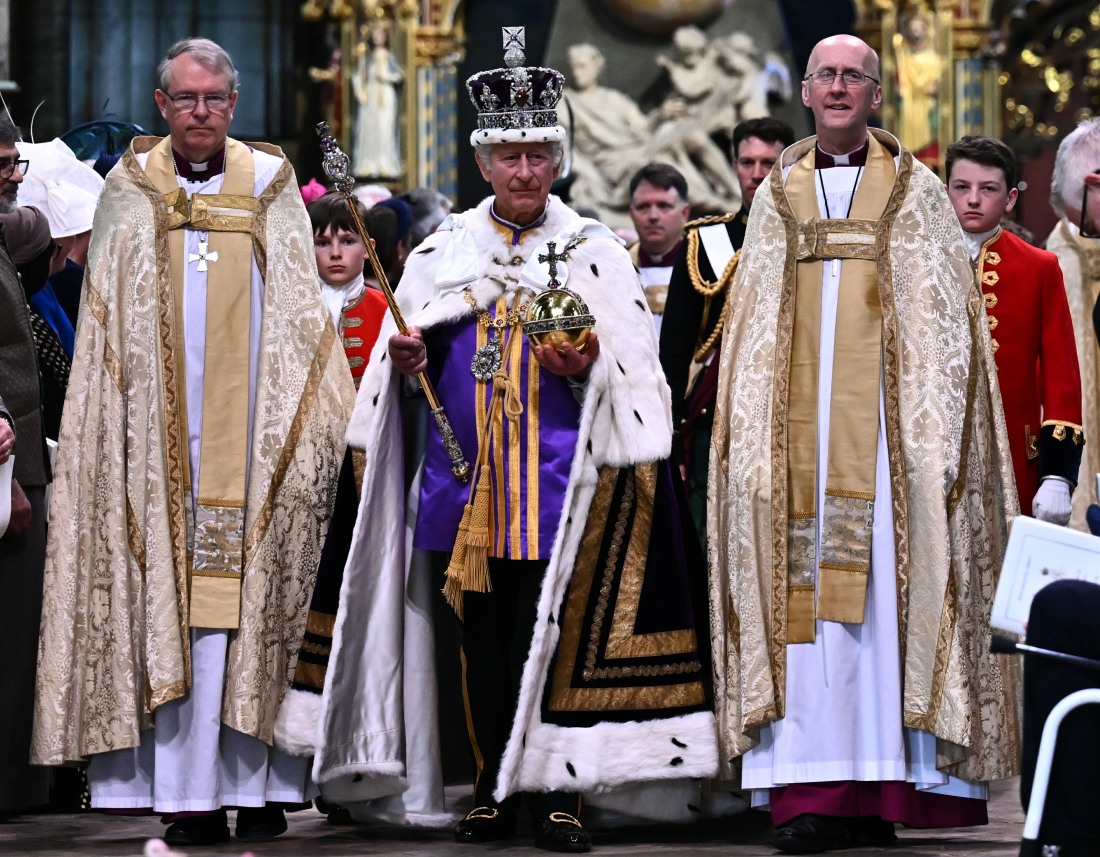
- Coronation of King Charles III 6th May 2023 King Charles III pictured arriving with Camilla the Queen Consort for the coronation service at Westminster Abbey. 06-05-23,Image: 774194451, License: Rights-managed, Restrictions: -, Model Release: no, Credit line: Dan Charity / Avalon
-
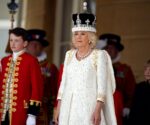
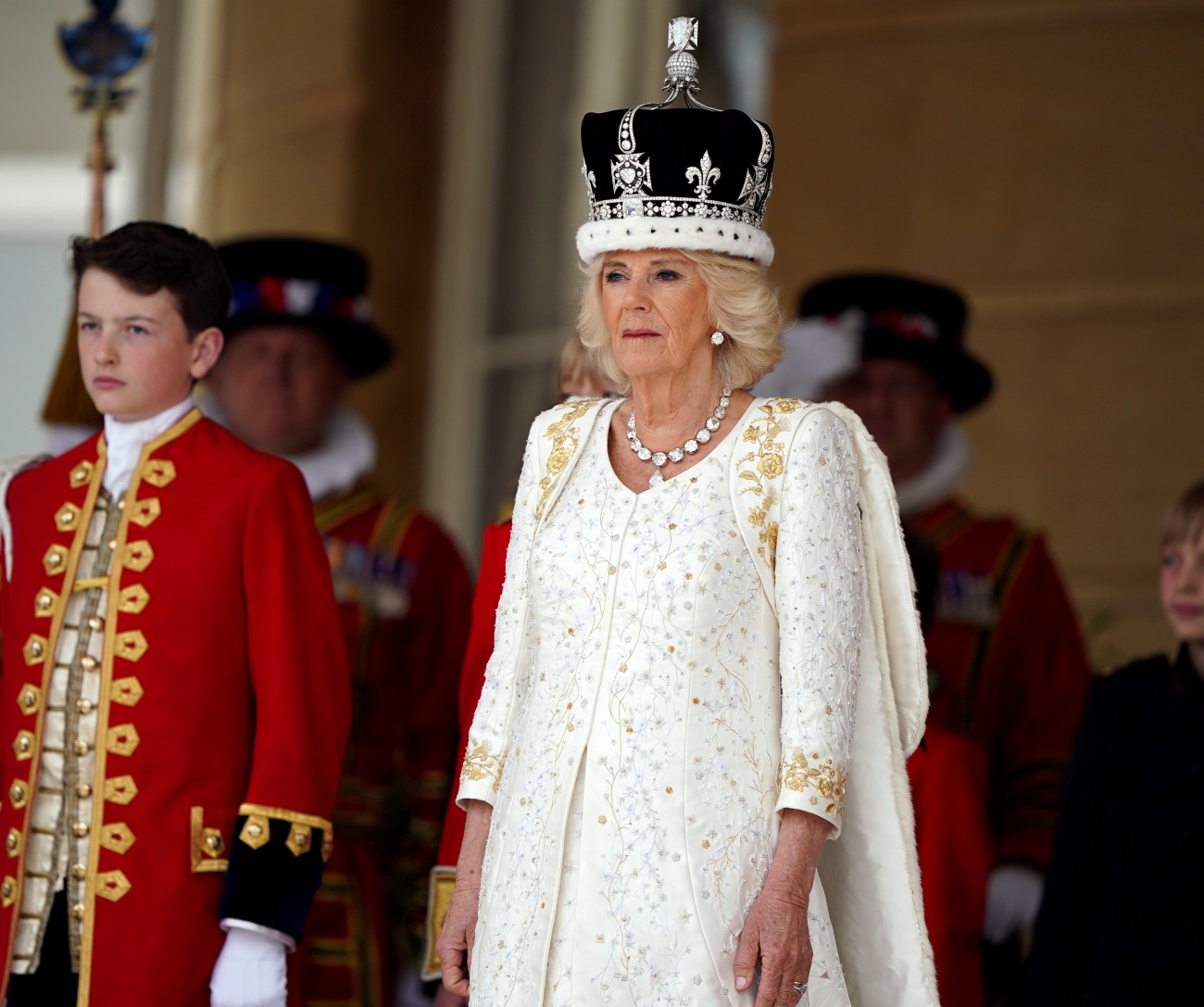
- Queen Camilla receives a royal salute from members of the military in the gardens of Buckingham Place, London, following the coronation.,Image: 774211937, License: Rights-managed, Restrictions: -, Model Release: no, Credit line: Andrew Milligan / Avalon
-
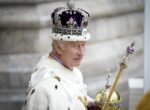
- King Charles III leaves Westminster Abbey after his Coronation, London, United Kingdom, on 06 May 2023.,Image: 774228682, License: Rights-managed, Restrictions: -, Model Release: no, Credit line: Dan Charity / Avalon
-
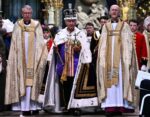
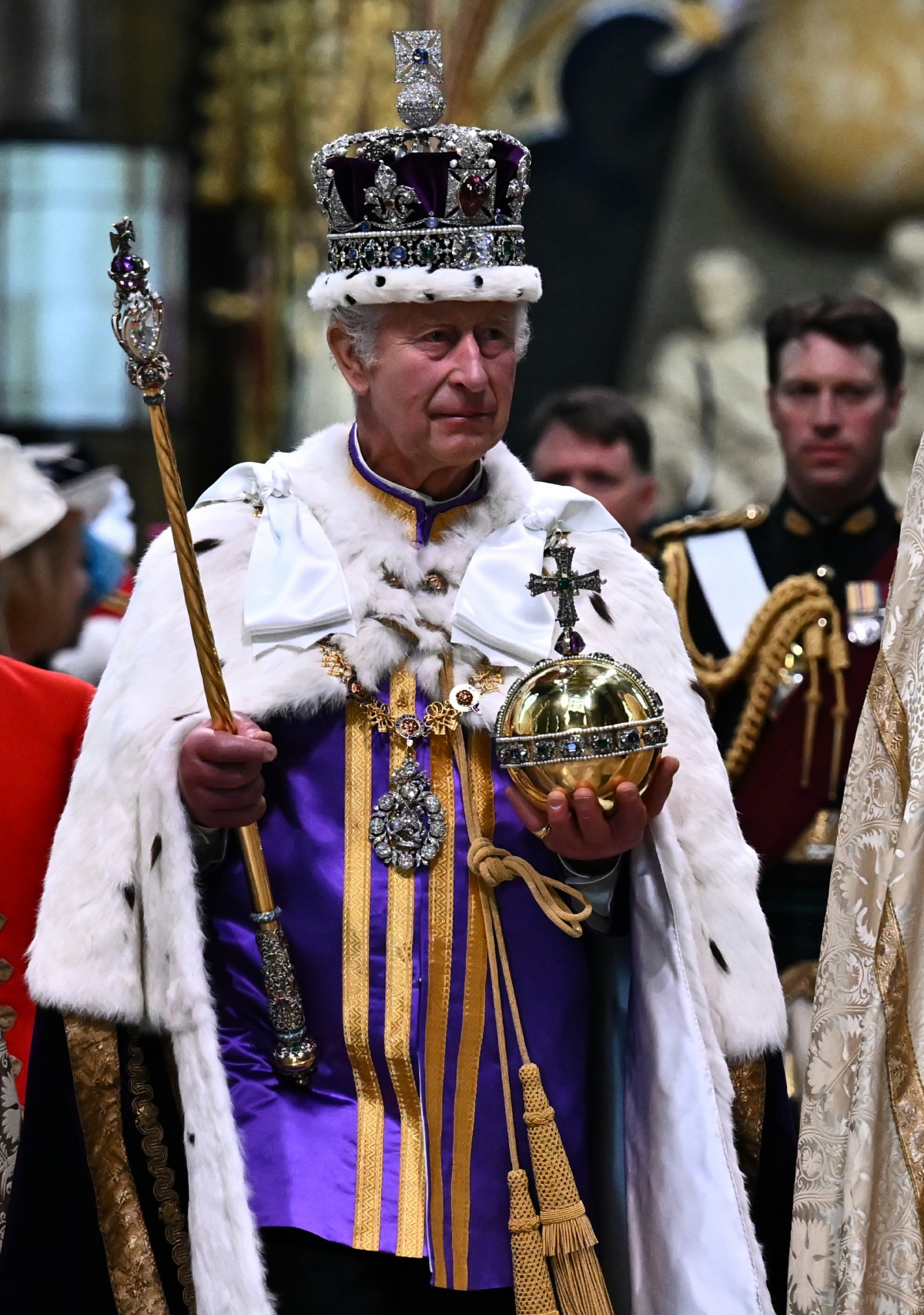
- Britain’s King Charles III wearing the Imperial state Crown carrying the Sovereign’s Orb and Sceptre leaves Westminster Abbey after the Coronation Ceremonies in central London on May 6, 2023. – The set-piece coronation is the first in Britain in 70 years, and only the second in history to be televised. Charles will be the 40th reigning monarch to be crowned at the central London church since King William I in 1066. Outside the UK, he is also king of 14 other Commonwealth countries, including Australia, Canada and New Zealand.,Image: 774231888, License: Rights-managed, Restrictions: -, Model Release: no, Credit line: BEN STANSALL / Avalon
-
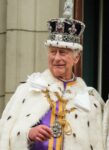
- His Majesty The King Charles III photographed as the Royal Family gather on the balcony following the Coronation of Their Majesties King Charles III and Queen Camilla at Buckingham Palace in London, UK on 06 May 2023.,Image: 774233000, License: Rights-managed, Restrictions: , Model Release: no, Credit line: Julie Edwards / Avalon
-
-
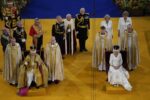
King Charles III wearing the St Edward’s Crown and Queen Camilla wearing the Queen Mary’s Crown during their coronation ceremony in Westminster Abbey, London.
Featuring: Queen Camilla and King Charles III
Where: London, United Kingdom
When: 06 May 2023
Credit: PA Images/INSTARimages**NORTH AMERICA RIGHTS ONLY**
-
-
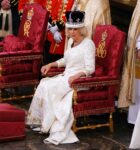
King Charles III during his coronation ceremony at Westminster Abbey, London.
Featuring: Queen Camilla
Where: London, United Kingdom
When: 06 May 2023
Credit: PA Images/INSTARimages**NORTH AMERICA RIGHTS ONLY**
-
-
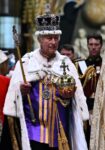
King Charles III during his coronation at Westminster Abbey, London.
Featuring: King Charles III
Where: London, United Kingdom
When: 06 May 2023
Credit: PA Images/INSTARimages**NORTH AMERICA RIGHTS ONLY**
-
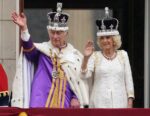
-
King Charles III and Queen Camilla on the balcony of Buckingham Palace, London, following the coronation. Picture date: Saturday May 6, 2023.
Featuring: King Charles III, Queen Camilla
Where: London, United Kingdom
When: 06 May 2023
Credit: PA Images/INSTARimages**NORTH AMERICA RIGHTS ONLY**
-
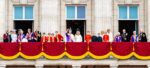
-
The British Royal family make an appearence on the balcony of Buckingham Palace after the Coronation
Featuring: King Charles III, Queen Camilla
Where: London, United Kingdom
When: 06 May 2023
Credit: Dutch Press Photo/Cover Images**NOT AVAILABLE FOR PUBLICATION IN THE NETHERLANDS OR FRANCE**
-
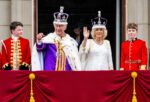
-
The British Royal family make an appearence on the balcony of Buckingham Palace after the Coronation
Featuring: King Charles III, Queen Camilla
Where: London, United Kingdom
When: 06 May 2023
Credit: Dutch Press Photo/Cover Images**NOT AVAILABLE FOR PUBLICATION IN THE NETHERLANDS OR FRANCE**