
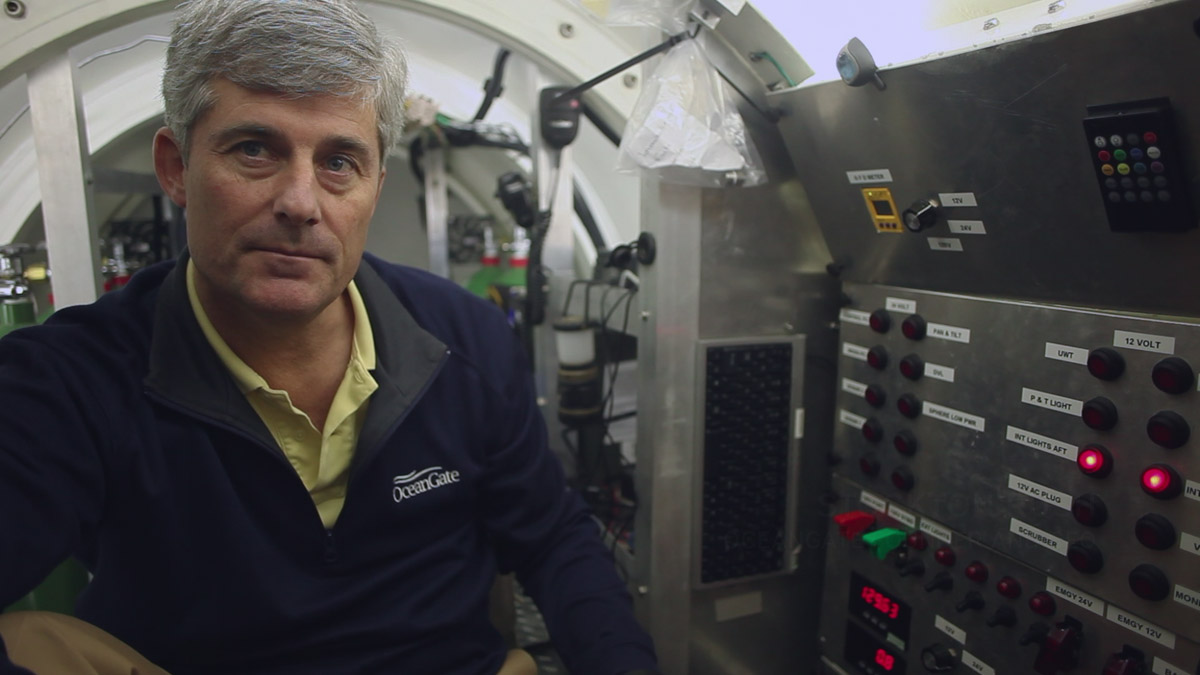
This past June marked a grim anniversary: two years since the tragic implosion of the Titan submersible with five men aboard (well, one was a teenager). The vessel was on its way to the remains of the Titanic on the Atlantic Ocean floor, as part of a somewhat macabre millionaire’s tourist excursion helmed by Stockton Rush. A billionaire himself, Rush founded his company OceanGate in 2009 to make deep sea exploration available to the masses… for the exclusive price of $250,000 a ticket. When Titan first went missing on June 18, 2023, we knew something had gone terribly wrong. Days later when it was confirmed the vessel had imploded, people with expert knowledge of ocean exploration were conveying that OceanGate’s Titan was doomed from the start. And now it’s official: the US Coast Guard has released a 300-page report on their investigation into the accident, in which they conclude that the implosion was entirely “preventable,” had OceanGate acted responsibly on many fronts.
The catastrophic implosion of the Titan submersible that killed five people in 2023 could have been prevented, a U.S. Coast Guard investigative board found on Tuesday, calling the vessel’s safety culture and operational practices “critically flawed.”
The Titan vanished during a descent to the Titanic wreck on a tourist expedition, losing contact with its support ship.
After a tense four-day search, its shattered remains were discovered strewn across the seabed 1,600 feet (488 meters) from the bow of the legendary ocean liner that sank in 1912, claiming more than 1,500 lives.
OceanGate, the U.S.-based company that managed the tourist submersible, suspended all operations after the incident.
A company spokesperson said on Tuesday the company again offered its deepest condolences to the families of those who died “and directed its resources fully towards cooperating with the Coast Guard’s inquiry through its completion.”
The chair of the U.S. Coast Guard Marine Board of Investigation, Jason Neubauer, said the accident was preventable.
“There is a need for stronger oversight and clear options for operators who are exploring new concepts outside of the existing regulatory framework,” he said in a statement with the release of the 300-page report.
Chloe Nargeolet, whose father, French oceanographer Paul-Henri Nargeolet, died on the submersible, said she was satisfied with the investigation.
“The OceanGate boss didn’t do his job properly and obviously my father didn’t know any of that,” she said. “It was not random or bad luck, it came from something. It could have been avoided.”
The board determined that the primary contributing factors were OceanGate’s “inadequate design, certification, maintenance and inspection process for the Titan.”
It also cited “a toxic workplace culture at OceanGate,” an inadequate regulatory framework for submersibles and other novel vessels, and an ineffective whistleblower process.
The report added “for several years preceding the incident, OceanGate leveraged intimidation tactics, allowances for scientific operations, and the company’s favorable reputation to evade regulatory scrutiny.”
The board found that OceanGate failed to investigate and address known hull anomalies following its 2022 Titanic expedition. It said data from Titan’s realtime monitoring system should have been analyzed and acted on during that expedition.
It also criticized OceanGate for failing to properly store the Titan before the 2023 Titanic expedition.
The report faulted the absence of a timely Occupational Safety and Health Administration investigation into a 2018 OceanGate whistleblower’s complaint combined with a lack of government cooperation, calling them a missed opportunity and added “early intervention may have resulted in OceanGate pursuing regulatory compliance or abandoning their plans.”
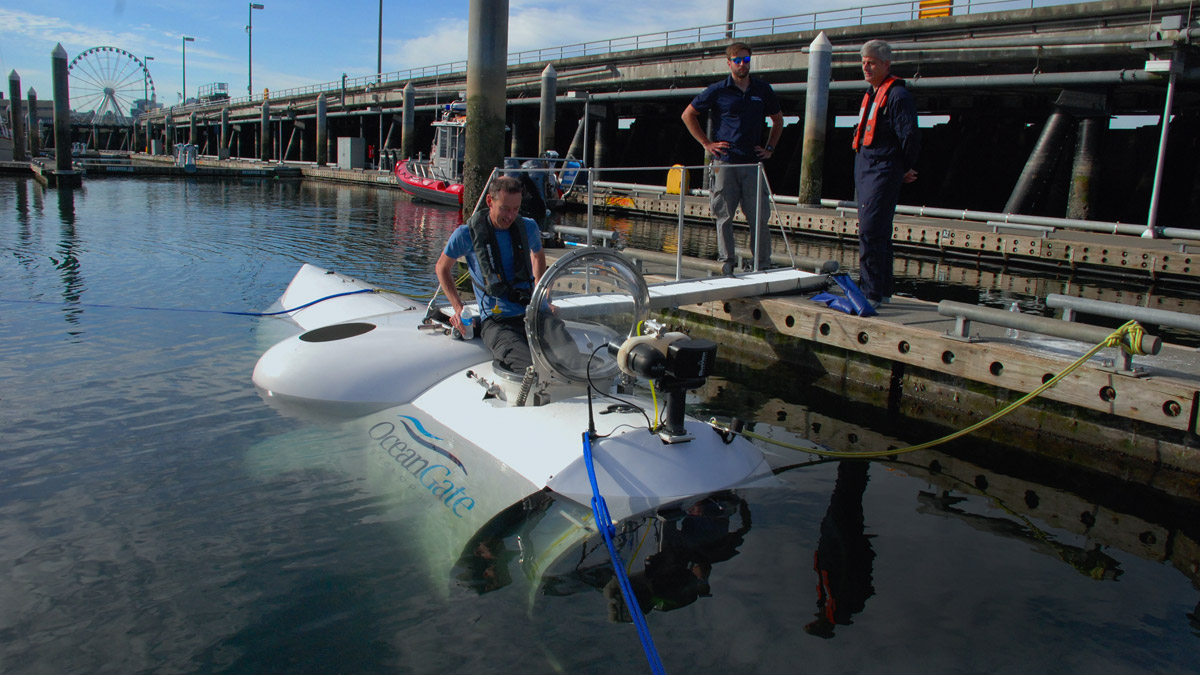
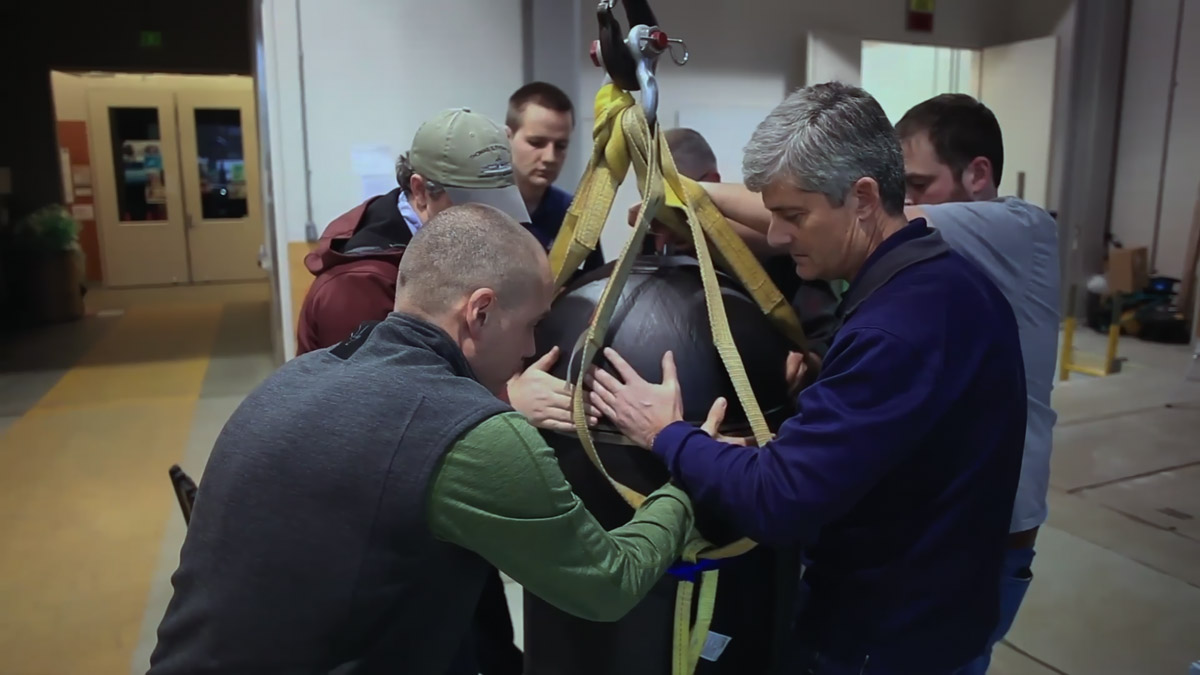
A few weeks ago I watched Titan: The OceanGate Submersible Disaster on Netflix. If you’re not up for reading the Coast Guard’s 300-page report, the documentary makes the same argument. Though fair warning, the material is no less infuriating when relayed on film. Truly, it was human error at every turn, solely because of one human: CEO Stockton Rush. He assembled experts for his team — in diving, mechanical engineering, every field — then used their talents to build Titan, but refused to listen when they voiced legitimate concerns. One jarring quote from the film that really stuck with me was, and I’m paraphrasing but essentially the comment was, “Titan failing was a statistical inevitability.” Aside from not listening to his team (who one by one left out of desperation, even the accountant!), other critical flaws included Rush opting to use carbon fiber to build the submersible (because it was cheaper) yet spending extra money on bribes, plus going out of his way to have Titan classified a certain way to avoid stricter regulations. I don’t understand having a dream and hiring the best to help achieve that dream, only to cut corners and not heed sage advice. A tragedy, in every sense. And another billionaire is gearing up to do it all over again.
photos credit: Balazs Gardi/Courtesy of Netflix