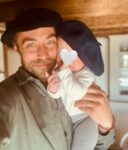
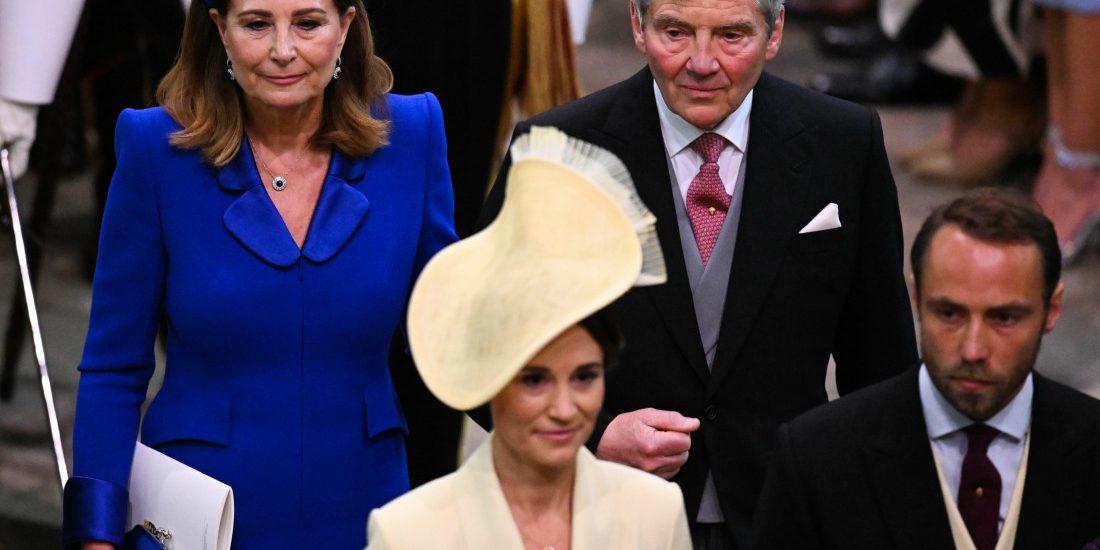
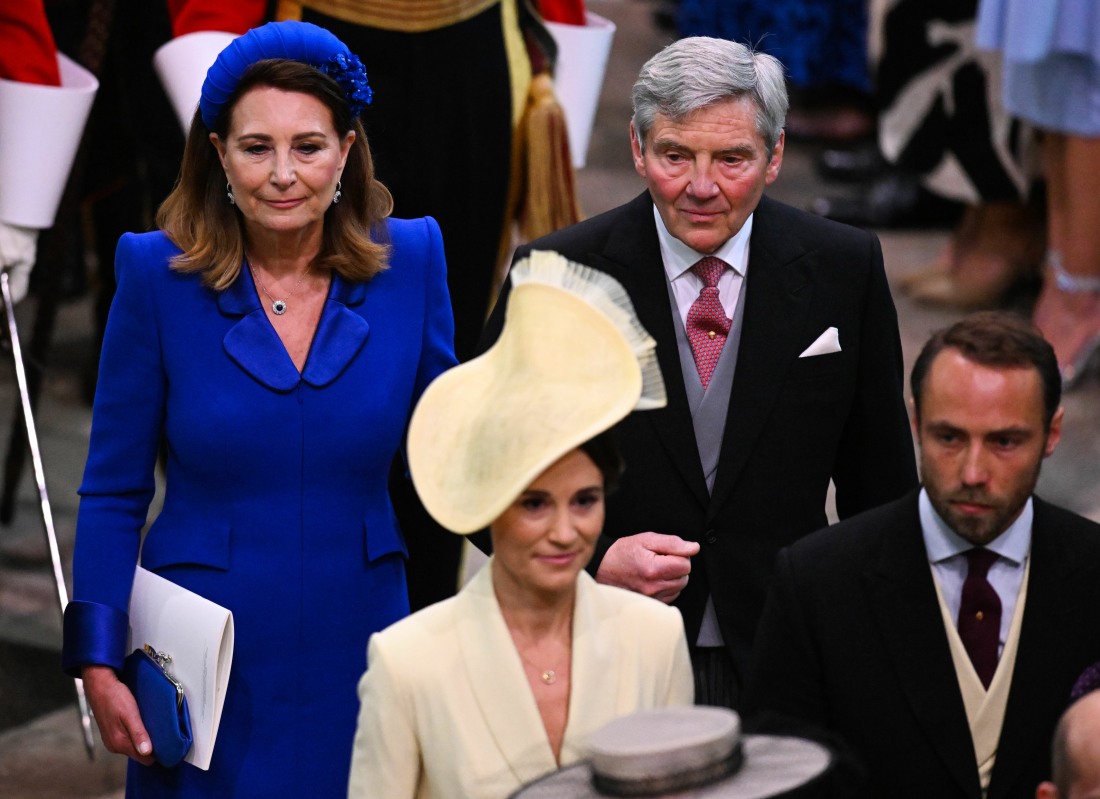
Last year, James Middleton’s faux-memoir was released. It was called Meet Ella: The Dog Who Saved My Life. It was James describing his life and mental health through stories about his dogs, with a dash of fairly unbelievable royal gossip throughout. By “unbelievable,” I mean that I do not believe that James and Ella were given free rein of Highgrove or Sandringham or Clarence House, but James definitely wants to leave the impression that he was regularly invited everywhere. Well, anyway, the book is coming out in paperback, which means it’s time for James to give more interviews about his family and his dogs. He recently spoke to the Times, and here are some highlights:
On the Middleton family: “Well, I’d say we’re honest. The thing my parents taught us all to be was honest,” he says of the Middletons. It was a big family value? “Very much. Being grounded and being honest was something instilled in us right from the start. And I think those are the values I want to instil in my son — that and having confidence in who he is, whoever he turns out to be.”
He was suicidal in 2017: A few days later, sitting in his car outside what was then his business (personalised marshmallows by post), he called his family doctor who quickly found him a consultant psychiatrist who was open to having Ella attend their sessions. Middleton was diagnosed with attention deficit disorder and clinical depression, and began cognitive behavioural therapy in combination with medication to control an irregular heartbeat and help him to sleep. For a while he also took antidepressants, of which he and his parents had been initially wary in case they dulled his emotions in entirety. Now he is taking no medication, and thanks two years of therapy for reintroducing him to himself.
Credit to William and Kate: “And you know, credit to my sister and brother-in-law [Kate and Prince William] for what they were doing with Heads Together at the time.” Did that campaign for the open discussion of mental health influence his decision to ask for help? “I was aware of what they were doing. It was sort of the general message of, you know, it’s OK to not be OK.”
On Kate’s cancer: “WhatI think is that, as a family, you learn to see and process and understand things. For her and her family it was a challenging time, and I know for us and our bigger family it was a challenging time, but I think it’s about communication and it’s about offering support and help where you can. Being there for someone is such an important part, and it doesn’t necessarily have to be on your terms and it shouldn’t be on your terms. It should be on their terms; unconditional: ‘I’m not doing it for something in return. I’m doing it because I love you.’ And that’s the simplest way of really demonstrating love. You can do it in all these various fancy ways but actually, you know, it is just generally being there.”
Whether he felt like a failure for his many failed businesses: “I spent the vast majority of my life being told I was a failure because I wasn’t passing exams. If you don’t pass, you fail and I failed almost every exam under the sun. So I was never really told anything else.”
When he felt like a success: “I think it was at the point that I became James Middleton again. Once that changed, so many things started falling in place. Ella recognised it too. I wasn’t looking to start a relationship and then, lo and behold, Ella has found me a wife!”
What it was like to publish a memoir: “I think I was most terrified that when I wrote about having depression I would be called a fraud; that people would say, ‘You’ve had a privileged upbringing. You’ve had everything, essentially. No real struggles.’ That sort of feedback. But depression doesn’t select like that and, anyway, I think I’ve learnt to accept criticism. I recently turned 38 and I was thinking, how do I explain where I am right now? Actually, I think I’m where I am meant to be. I still have life challenges: we’re remortgaging this year, we’ve got bills to pay. But we embrace it all, trying to look at the positive. It’s not like I’m cured of depression; you can never cure mental health because it exists consistently, all the time, like our physical health. We have to continue looking after it. But I think it was the right time to write that story. I wasn’t prematurely writing the ending. Ella had done her job. She had looked after me, she really had — and in many ways she still does.”
He also suggests at one point that the book sold better than he expected, and when I tried to find any numbers to back that up, a tumbleweed rolled by. I mean, maybe they didn’t expect much from the book, but I can’t imagine the sales did more than meet already low expectations. As for all of this… as he says, he has bills to pay. He found a way to tell “his story” with some dashes of royalist fan-fiction and none of the British outlets will both questioning any of this much deeper. Also: the Middletons are not known for their honesty, and it’s offensive to claim that. Was Carole honest as she was racking up millions in debt? Was Kate honest when she lied for years about Meghan making her cry? Was Pippa honest about her ass of lies??


Photos courtesy of Avalon Red, Cover Images and James’s IG.

-
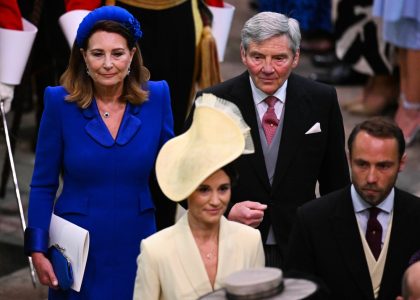
- Carole Middleton, Michael Middleton, Pippa Middleton and James Middleton at the Coronation of King Charles III at Westminster Abbey in London, United Kingdom, on 06 May 2023.,Image: 774203418, License: Rights-managed, Restrictions: , Model Release: no, Credit line: James Veysey/Shutterstock / Avalon
-
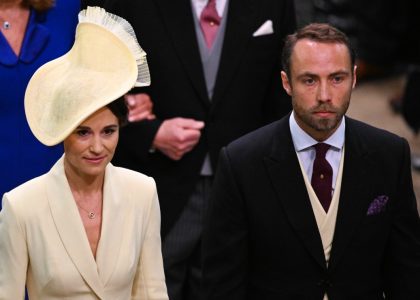
- Pippa Middleton and James Middleton at the Coronation of King Charles III at Westminster Abbey in London, United Kingdom, on 06 May 2023.,Image: 774203465, License: Rights-managed, Restrictions: *** NO UK USE FOR 48 HRS ***, Model Release: no, Credit line: James Veysey/Shutterstock / Avalon
-
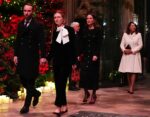
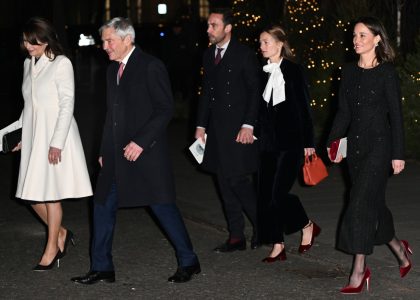
- James Middleton walks with his wife, Alizee Thevenet, followed by his sister Pippa and mother Carole, as they arrive for the Together At Christmas carol service at Westminster Abbey in London.,Image: 943741915, License: Rights-managed, Restrictions: *** NO UK USE FOR 48 HRS ***, Model Release: no, Credit line: Aaron Chown/Avalon/Avalon
-

-
Together At Christmas carol service at Westminster Abbey
Featuring: Carole Middleton, Michael Middleton, James Middleton, Alizee Thevenet and Pippa Middleton
Where: London, United Kingdom
When: 06 Dec 2024
Credit: Cover Images