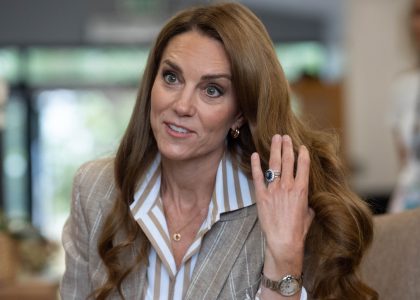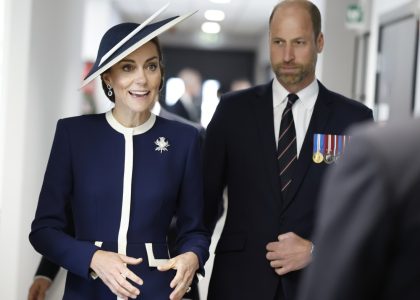
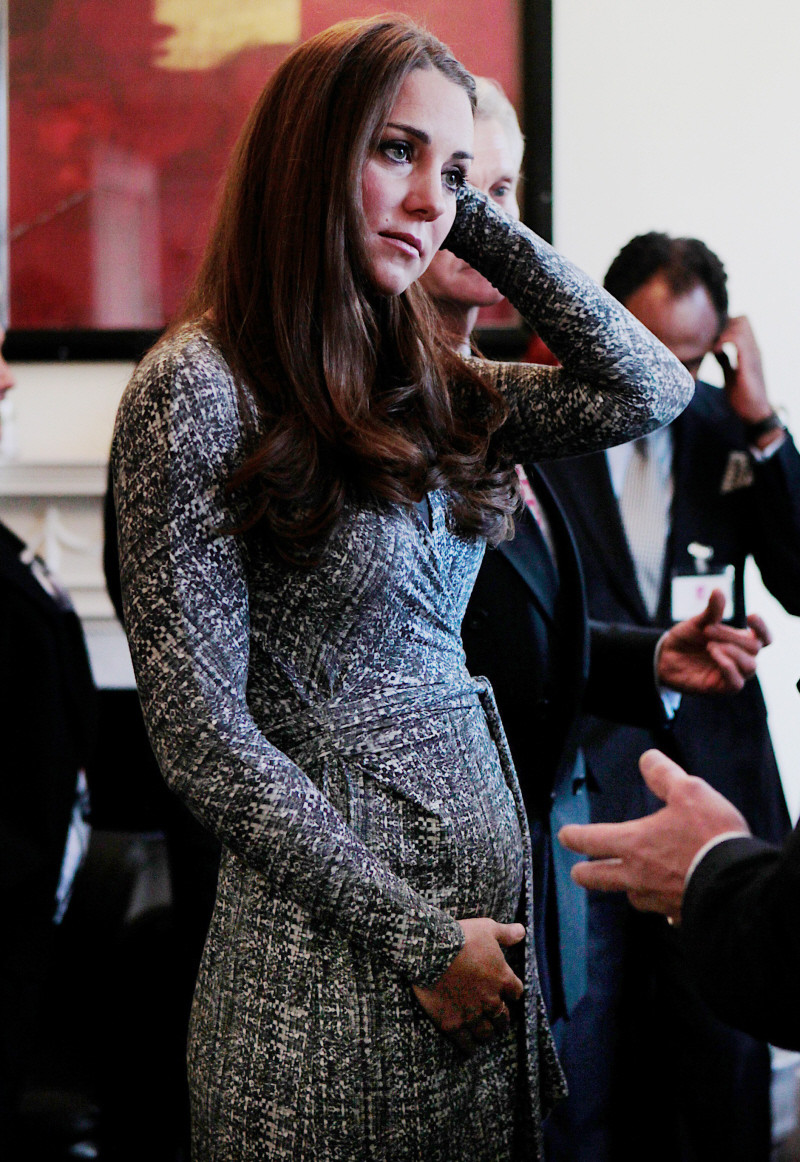
One of my new favorite things is lining up Duchess Kate and Kim Kardashian and doing a side-by-side comparison. They’re the same age. They both love to shop. They both had “royal weddings” (LOL). They’re both pregnant, they’re both due in July. They both have pushy, famewhore families. They both did very little to become famous (you could even argue that Kim “works” more than Kate). And now here’s another similarity: both the Kardashian and the Middleton families profit from sweatshops! A few years ago, legit and tabloid media widely reported that many of the Kardashian-branded items were actually being made in Chinese sweatshops, often by child laborers. And now this incredible piece of news: the Middleton family’s business, Party Pieces, might be using Mexican sweatshop labor too.
Party Pieces, the website owned by Carole and Michael Middleton, has been accused of selling items which were made in Mexican ghettos by families on meagre incomes. The company, estimated to be worth more than £30 million, sells a range of party goods, including more than 40 types of pinatas. The colourful cardboard figures filled with sweets which cascade out when the casing is broken have become increasingly popular at children’s parties.
An investigation by The Daily Mail reported that the same goods were being produced in hillside ghettoes surrounding the Mexican border city of Tijuana, by families who say they are providing “slave labour” to produce items sold in Britain for around £12.99. The items are among thousands shipped to Britain via a chain of distributors and sold to retailers including Party Pieces, which stocks the products in a range of designs, including lions and castles to Minnie Mouse. A spokesman for the company said that as a responsible retailer, it took the allegations “very seriously and we will work with our suppliers to carry out investigations into these claims”.
Party Pieces was founded in 1987 by Carole Middleton, after she gave up work as a British Airways stewardess. She built up the firm with her husband, Michael, and it now employs more than 30 people, including their daughter Pippa. Families in Mexico who work in their own homes are not subject to minimum wage laws, which would require pay of at least 49 pence an hour. Earnings are further reduced because they pay for the craft materials themselves.
The operation in Tijuana is run by Javier Perez Quintero, who said he is an Amscan executive and uses the company’s email address — but the hundreds of craftsmen and women are supplied with materials by a firm he runs, called Baja Pacific Paper. It is not clear whether this is an Amscan subsidiary or an independent company. Maria Villegas, who lives with eight family members in Tijuana, said she and relatives worked for 12 hours a day last week to make pinata rockets, receiving less than 19 pence an hour between them.
While the Middletons’ firm sells their pinatas for £12.99 each, other workers in the same city said they earn as little as 10p an hour for producing some of the items. The craft workers said they took the work because there was little else available. There have been increasing concerns in recent years that complex supply chains mean that customers do not know where the the products they buy come from.
In 2011 police files disclosed that Swedish retail giant Ikea had used political prisoners in East Germany as “slave labour” to make furniture. Many of the items sold by Party Pieces were supplied by the giant American party goods company Amscan, which also produces goods made cheaply in China.
The pinatas are also sold to other British firms, including supermarkets such as Tesco, and arrive via the American company’s depot in Milton Keynes. Joseph Zepf, Amscan vice-president, said the company “endeavours to comply with all laws and regulations, especially those relating to wage requirements and working conditions, and categorically denies any inference or allegation to the contrary”.
In its annual report in 2011, the company acknowledged that many of its products were made outside America, “which may increase the risk that the labour, manufacturing, safety and other practices followed by the manufacturers of these products may differ from those generally accepted in the U.S.”
[From The Telegraph]
Yeah, the paper trail is sketchy and it will be difficult to really make anything stick legally, but the point is that people are starting to dig up some dirt about the Middletons, and rumors are as good as facts. Would it surprise any of you if most of the items sold in the Party Pieces catalog were made in Chinese or Mexican sweatshops? It wouldn’t surprise me. The Middletons are just employing the same kind of business sense used by WalMart. And THAT is the problem. The Middletons don’t want to be compared to WalMart. They want to be seen as upwardly mobile middle-class-turned-aristocratic-by-marriage. Comparisons to WalMart damage the Middleton brand.
Incidentally, I would love it the UK tabloids would do more digging into the Middleton financials. I seriously doubt Party Pieces is worth £30 million (puh-lease), and I’ve always believed the rumor that Kate’s dodgy uncle Gary Goldsmith (a cocaine-and-hooker-loving bon vivant who may be some kind of “enabler/fixer/pimp” to the rich and powerful) has significantly helped the Middletons financially, and that (conspiracy theory alert!) Party Pieces might even be some kind of money-laundering scheme for Uncle Gary.
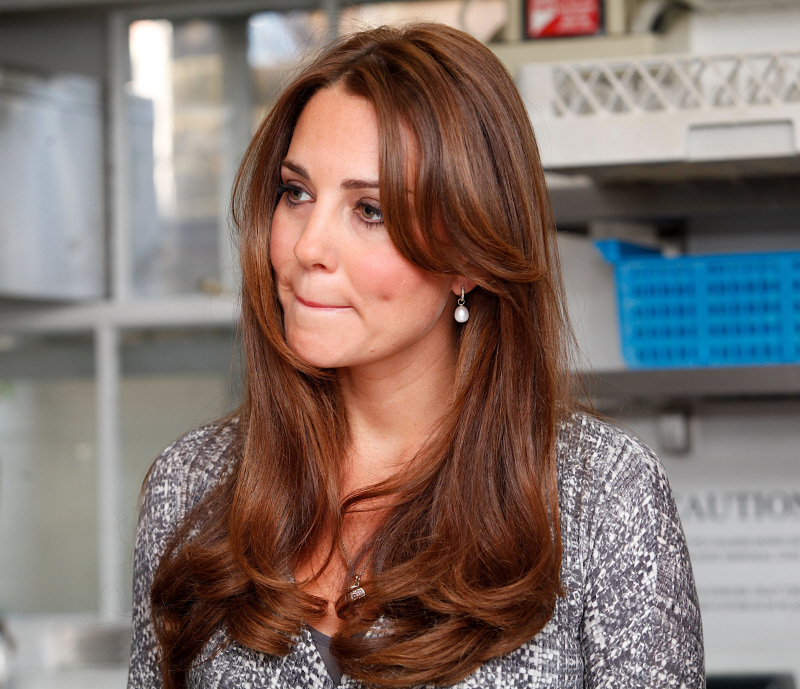
Photos courtesy of WENN.


Source Cele Bitchy